girlblog! Recommends: Morally Reprehensible Queers
By Rachel Gambling
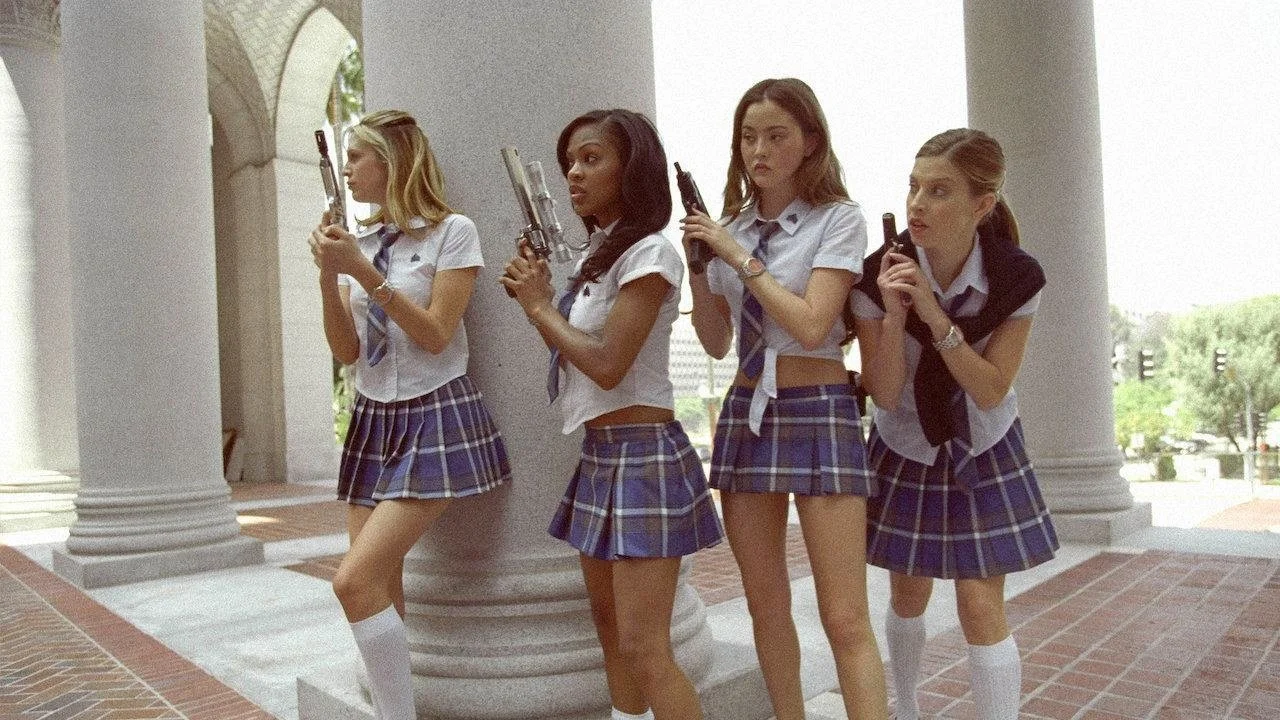
Sara Foster, Meagan Good, Devon Aoki, and Jill Ritchie in D.E.B.S. (2004)
You know the mantra: be gay, do crime. A lot of the queers included on this list are not necessarily "reprehensible," but perhaps seen as so by the more unfaltering, heteronormative lens the world is viewed with. Apart from Jena Malone in The Neon Demon, though. That was truly fucked up.
Tangerine (2015)
****
Director: Sean Baker
Writers: Sean Baker & Chris Bergoch
Starring: Kitana Kiki Rodriguez as Sin-Dee; Mya Taylor as Alexandra; Karren Karagulian as Razmik
Two sex workers, Alexandra and Sin-Dee, storm the streets of Hollywood on two missions: firstly, to find Sin-Dee's boyfriend/pimp so she can whoop him for cheating, and secondly, so Alexandra can invite as many people as possible to her Christmas Eve performance. Along the way, we meet their loyal customer Razmik, a married cab driver.
Between this and Anora, it's obvious that Baker loves a farcical run around the American coastlines. He uses the device to create a sympathetic lens for the sex workers his stories follow, with Tangerine having an additional layer of authenticity with its cinematography being produced on multiple iPhone 5s.
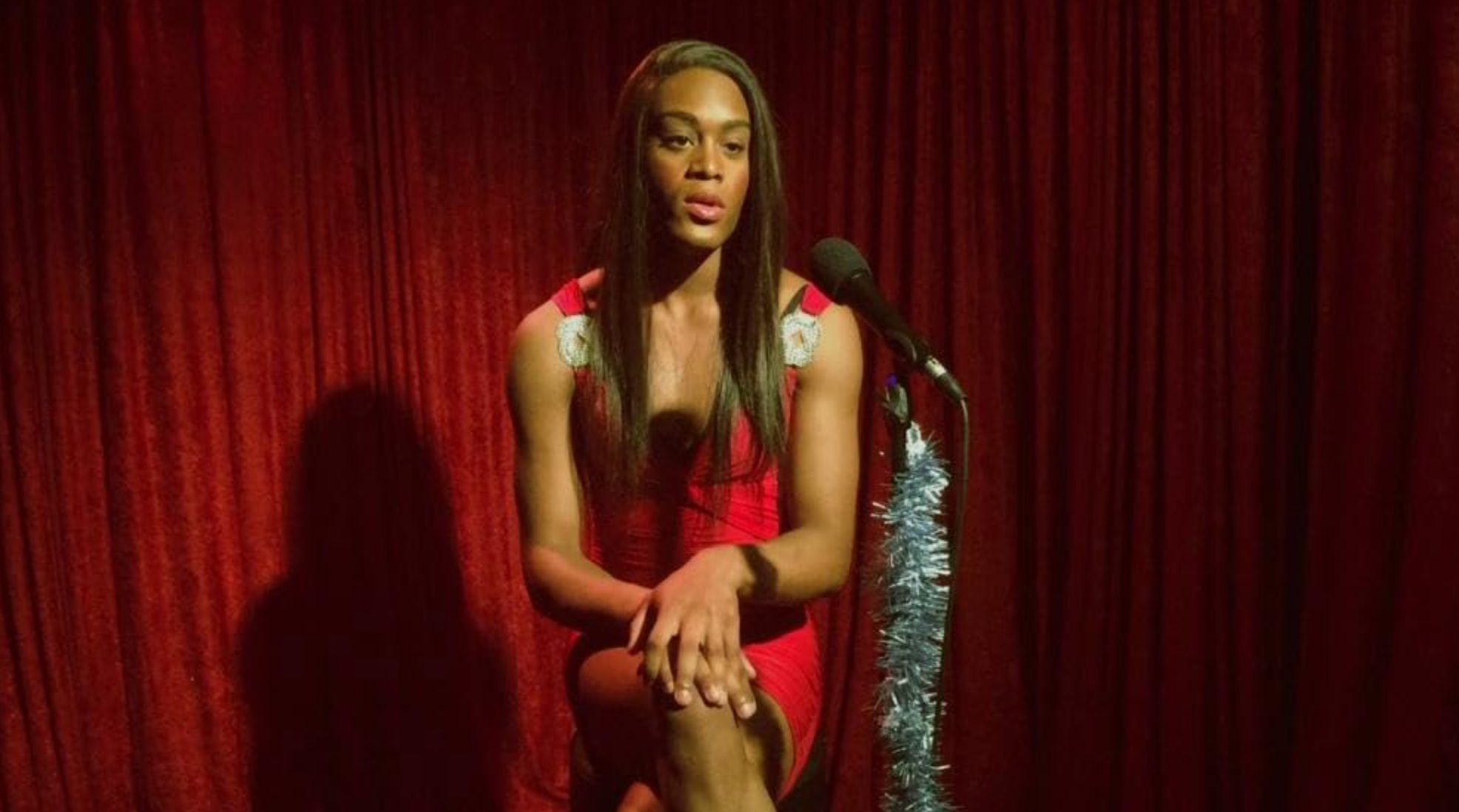
Mya Taylor in Tangerine (2015)
He takes his time with the characters of Tangerine, despite entering risky territory. Transgender characters are typically known for being played by cis male actors, especially in the 2010s era, á la Dallas Buyers Club and The Danish Girl. Baker does his duty -- albeit the bare minimum, but we're at that point -- and casts actual trans women in these roles. Rodriguez and Taylor had no prior acting experience to Tangerine and showed that they are more than worth their salt as performers in this absurdist dramedy.
Pride (2014)
****
Director: Matthew Warchus
Writer: Stephen Beresford
Starring: Ben Schnetzer as Mark Ashton; Joseph Gilgun as Mike Jackson; Faye Marsay as Steph Chambers; Imelda Staunton as Hefina Headon; Bill Nighy as Cliff Barry
Based around the true story of the Welsh miners' strike in 1984, a young gay activist named Mark Ashton shows solidarity to the striking workers after noticing that the police have begun harassing them instead of the local queer community. Alongside his fellow campaigners, they form Lesbians and Gays Support the Miners -- though their support is met with unwelcoming homophobia.
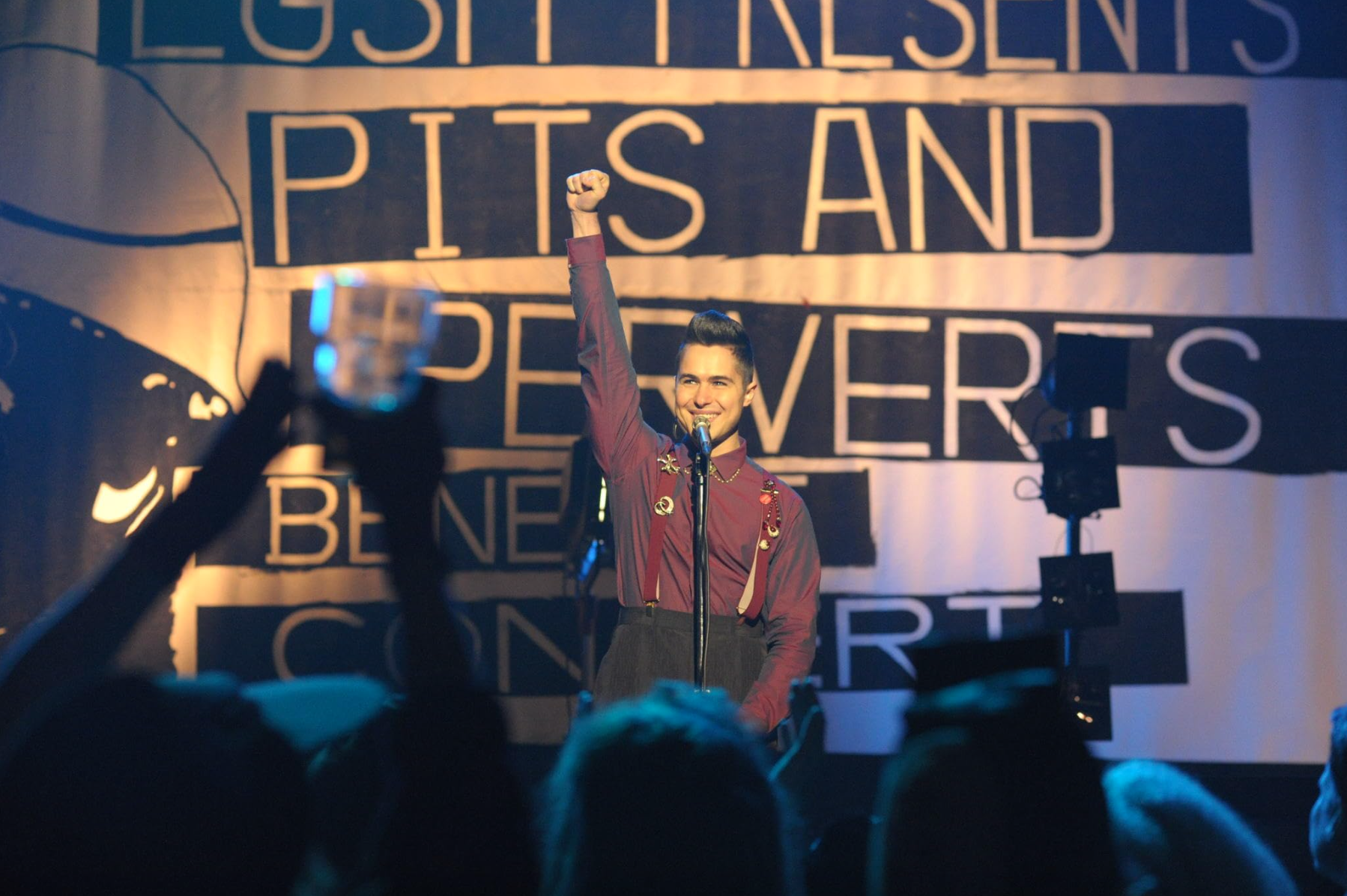
Ben Schnetzer in Pride (2014)
The 1984-85 miners' strikes were a pivotal moment in recent British history. Following the decimation of mining communities across the country instigated by Conservative Prime Minister Margaret Thatcher, Pride depicts one geographical aspect of the widespread industrial action across South Wales, Yorkshire, Scotland, Northeast England, Kent, and some of the Midlands and North Wales. Not only do we see the brutal impact the closure of the mines had on the working-class across Britain, but we're also provided with a critique of how trade unions can be stuck in their discriminatory views towards other oppressed groups. But through the willingness of the Women's Support group to lead this change in attitude and the admirable perseverance of LGSM, we see this bittersweet historical moment of true working-class solidarity.
Showgirls (1995)
***1/2
Director: Paul Verhoeven
Writer: Joe Eszterhas
Starring: Elizabeth Berkley as Nomi Malone; Gina Gershon as Cristal Connors; Kyle MacLachlan as Zack Carey; Gina Ravera as Molly Abrams; Glenn Plummer as James Smith
A drifter, Nomi, hitchhikes her way into Las Vegas. She meets Molly, a costume designer for the Las Vegas show 'Goddess,' who gives her a place to stay and the dream to become the lead showgirl. Nomi's ambition is met in conflict with the cutthroat world of show business and the equally as feisty star of 'Goddess,' Cristal Connors.
Those who know the Showgirls lore know that it developed a cult following after a critical panning upon its release in '95. The unabashedly trashy film features full-frontal nudity, a lap dance ending in Kyle MacLachlan jizzing his pants, and a femme-for-femme romance between rhinestone covered bisexual women -- and that's just in the first half. Whilst a thoroughly enjoyable melodrama, it does have its faults. There's a frightening difference in the way the film treats its black characters, and a very difficult scene in the final act that is worth knowing about before watching. However, the film does somewhat redeem itself in its vengeful and highly sapphic ending.
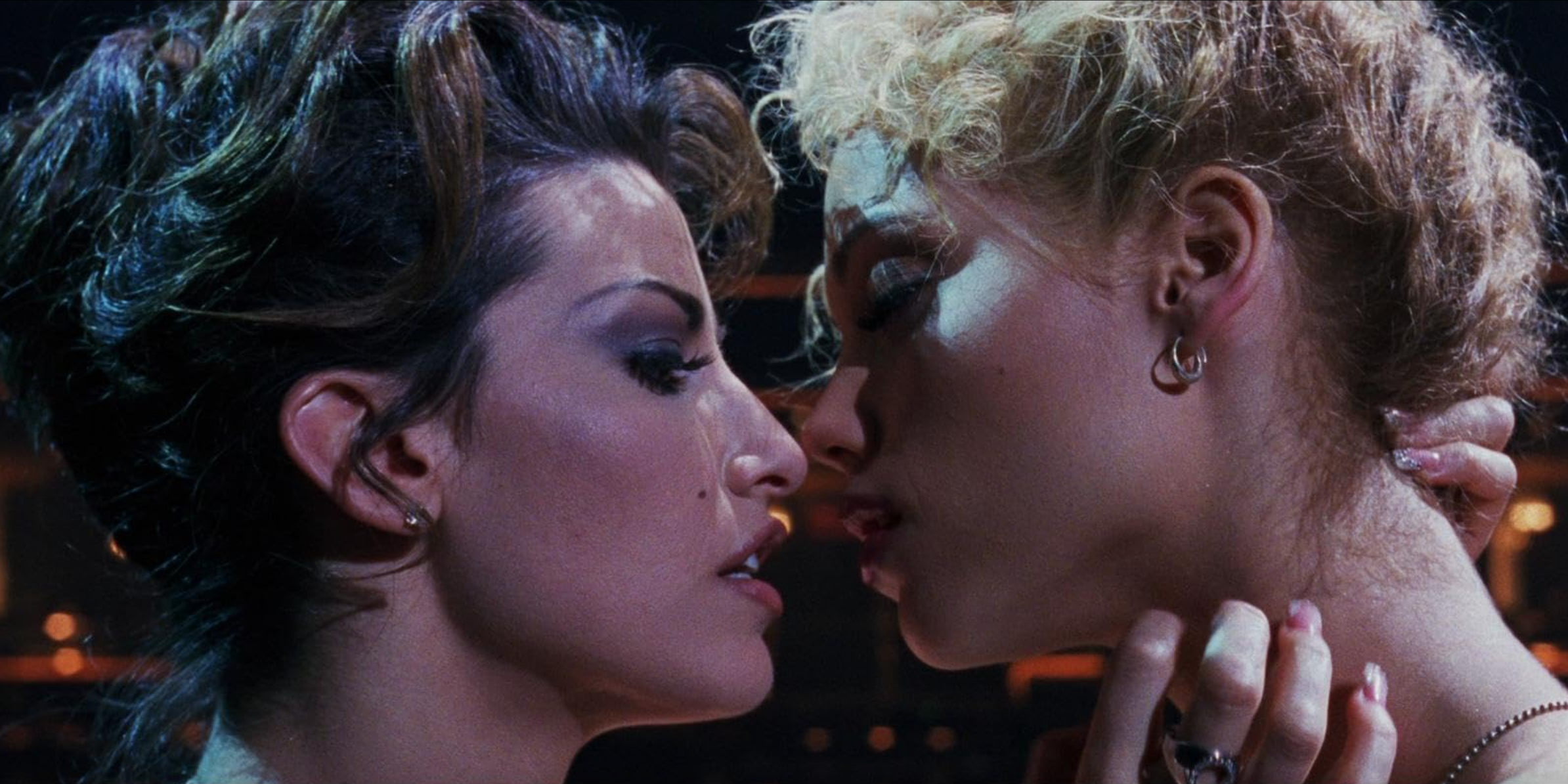
Gina Gershon and Elizabeth Berkley in Showgirls (1995)
Ultimately, Showgirls provides a pointed critique of the American dream and its expectations of women. Thirty years later, it's getting the revision and revival it deserves.
Bound (1996)
****
Directors: Lily and Lana Wachowski
Writers: Lily and Lana Wachowski
Starring: Gina Gershon as Corky; Jennifer Tilly as Violet; Joe Pantoliano as Caesar
Butch ex-convict Corky is hired to renovate an apartment next door to mafia money launderer Caesar and his seductive wife Violet. Violet and Corky are soon drawn together but are fearful of what consequences Caesar's rage may bring. Seeking safety, Violet and Corky plan to steal two million dollars of his money and run away together.
From the creators of The Matrix, Bound is a steamy crime thriller laced with campy sexual tension that always seems to find itself dissolved within the recipe of a Gina Gershon movie. Interestingly, Bound had an ad-hoc intimacy coordinator, Susie Bright, on set to choreograph the sex scenes before the job title officially existed.
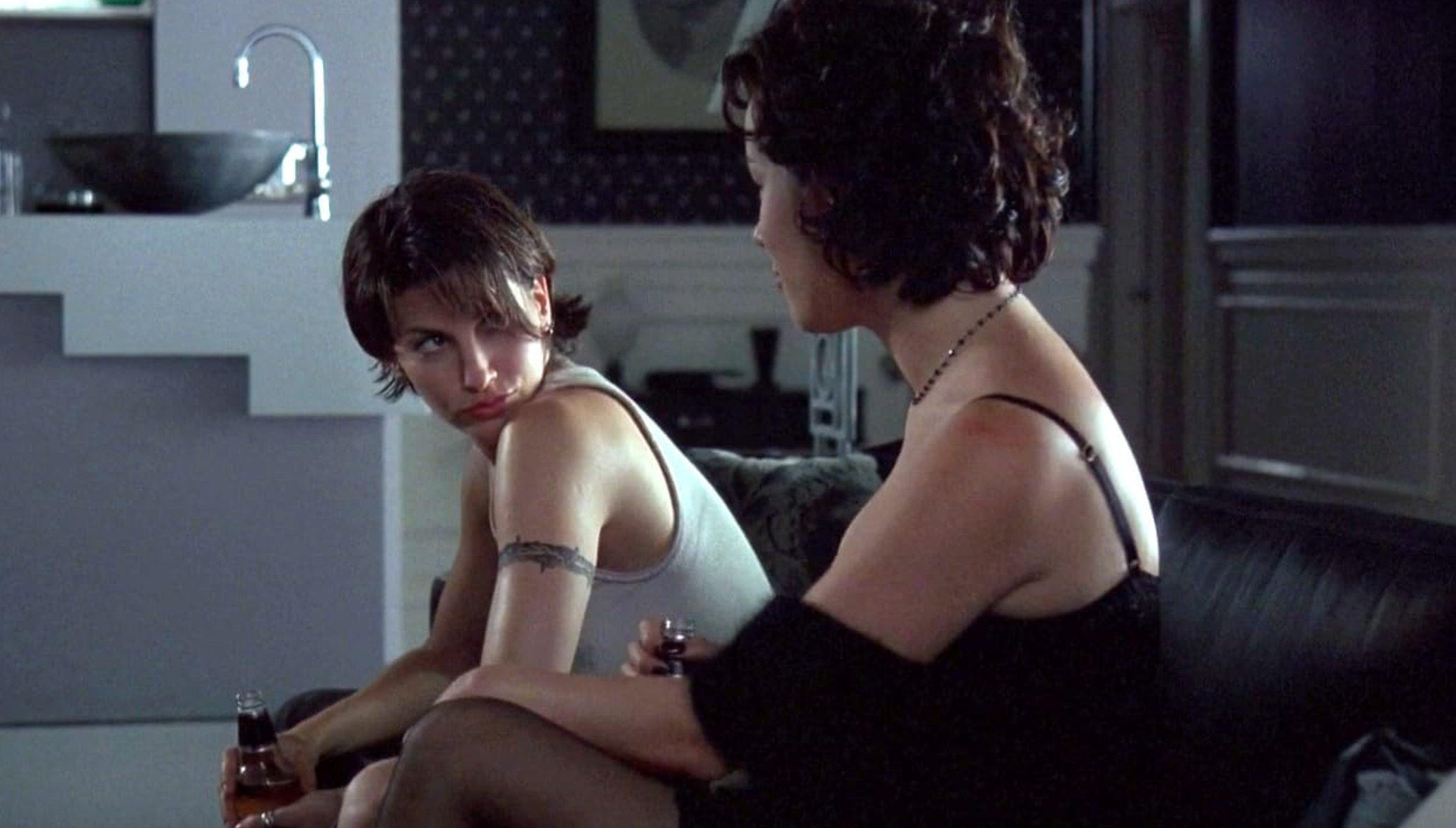
Gina Gershon and Jennifer Tilly in Bound (1996)
Bright is listed as a "technical consultant" due to feeling "too shy at the time" to "take credit for all [they] did together." Bright, a sex educator, was contacted by the Wachwoskis due to her writing in Susie Sexpert's Lesbian Sex World on her lover Honey Lee Cottrell. Captivated by the way Bright wrote about herself and Cottrell, they wanted to use their relationship as the foundation for Corky and Violet's romance. As a result, Bound is an authentically sapphic film showing both masculine and feminine sides to the femme fatale character trope.
Shiva Baby (2020)
****
Director: Emma Seligman
Writer: Emma Seligman
Starring: Rachel Sennott as Danielle; Molly Gordon as Maya; Danny Deferrari as Max; Polly Draper as Debbie
Danielle, a sugar baby, is a disappointment to her overbearing mother. Fresh from a visit with her sugar daddy, Max, she attends a shiva with her family, where her mother reminds her how well her ex-girlfriend, Maya, is doing for herself. Amongst the shiva-goers is Max, alongside his bread-winning wife Kim and newborn baby.
An uncomfortable insight into the quarter-life crisis of a messy bisexual, Shiva Baby wastes no time in upping the ante in just seventy-eight minutes. Firmly placing Rachel Sennott on the map as a beloved indie icon, Shiva Baby captures more than just the pressure to conform to the high standards of the upper-class New York Jewish lifestyle, but also the nature of being a woman who is not a high achiever. It notes the condescending sympathy shown towards women who aren't doing badly, but merely average, and the competition placed between young women that results in an unanticipated and frowned upon sexual tension.
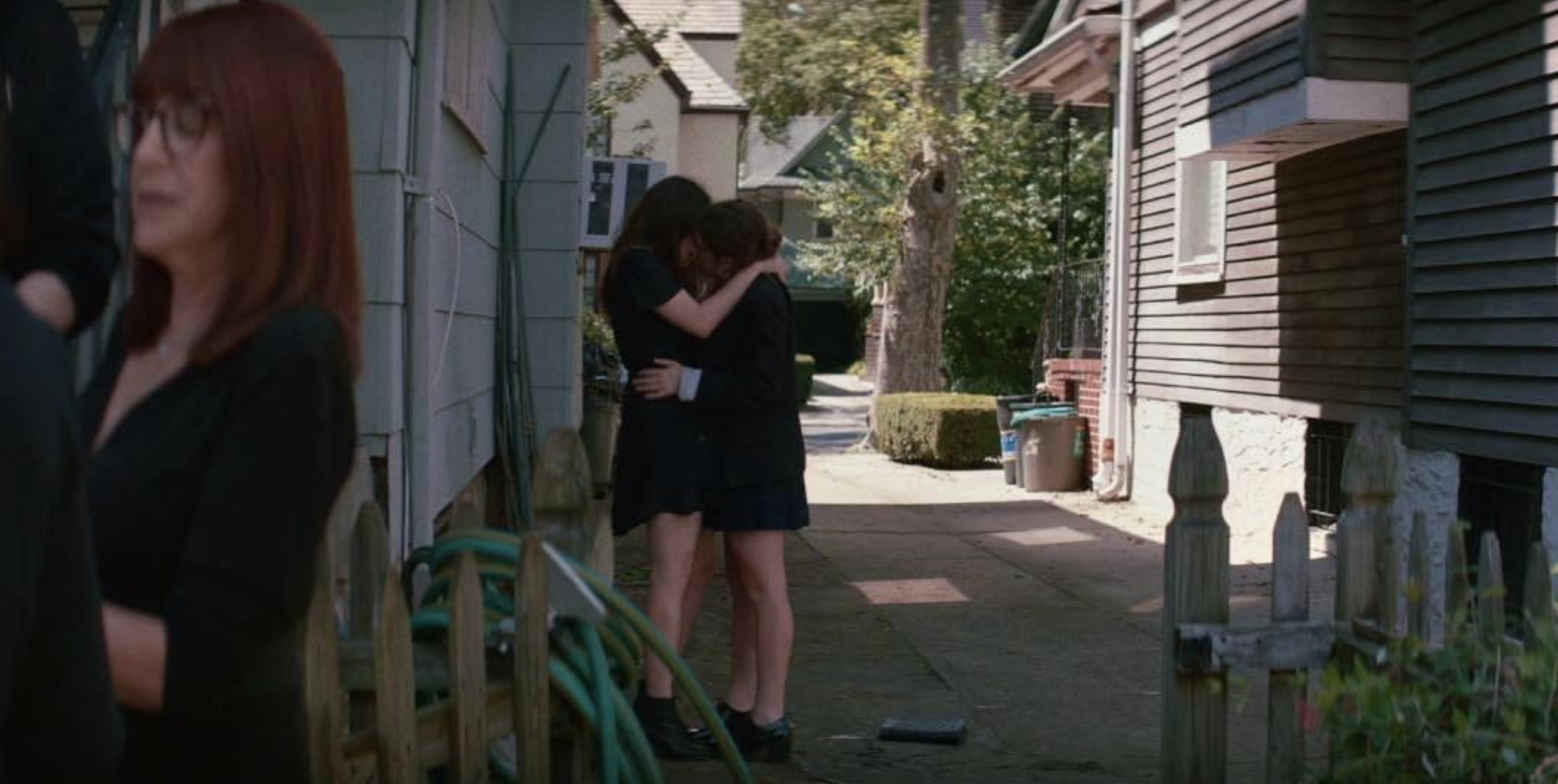
Molly Gordon and Rachel Sennott in Shiva Baby (2020)
The underlying jealousy between Danielle and Maya is more accepted as a bitter rivalry than it is as a healthy exploration of sexuality, and the two must decide which friction they’ll succumb to.
The Neon Demon (2016)
***1/2
Director: Nicolas Winding Refn
Writers: Mary Laws; Polly Stenham; Nicolas Winding Refn
Starring: Elle Fanning as Jesse; Jenna Malone as Ruby; Karl Glusman as Dean; Bella Heathcote as Gigi; Abbey Lee as Sarah
Jesse, a sixteen-year-old aspiring model, moves to Los Angeles and is quickly renowned for her youthful beauty. Surrounded by others in the fashion industry preying on her naïveté, Jesse is pursued by their deadly narcissism seeking to swallow her whole.
The Neon Demon, as like other Winding Refn films, is highly atmospheric, thanks to his collaborative work on the music composition with Cliff Martinez, who he also worked with on the composition for Drive (2011). The companion album, The Wicked Die Young, divided the tracks into varying emotions. Winding Refn wanted the film "to be both a horror film and a melodrama with camp, glitter and vulgarity, as well as a comedy and of course a little science fiction."
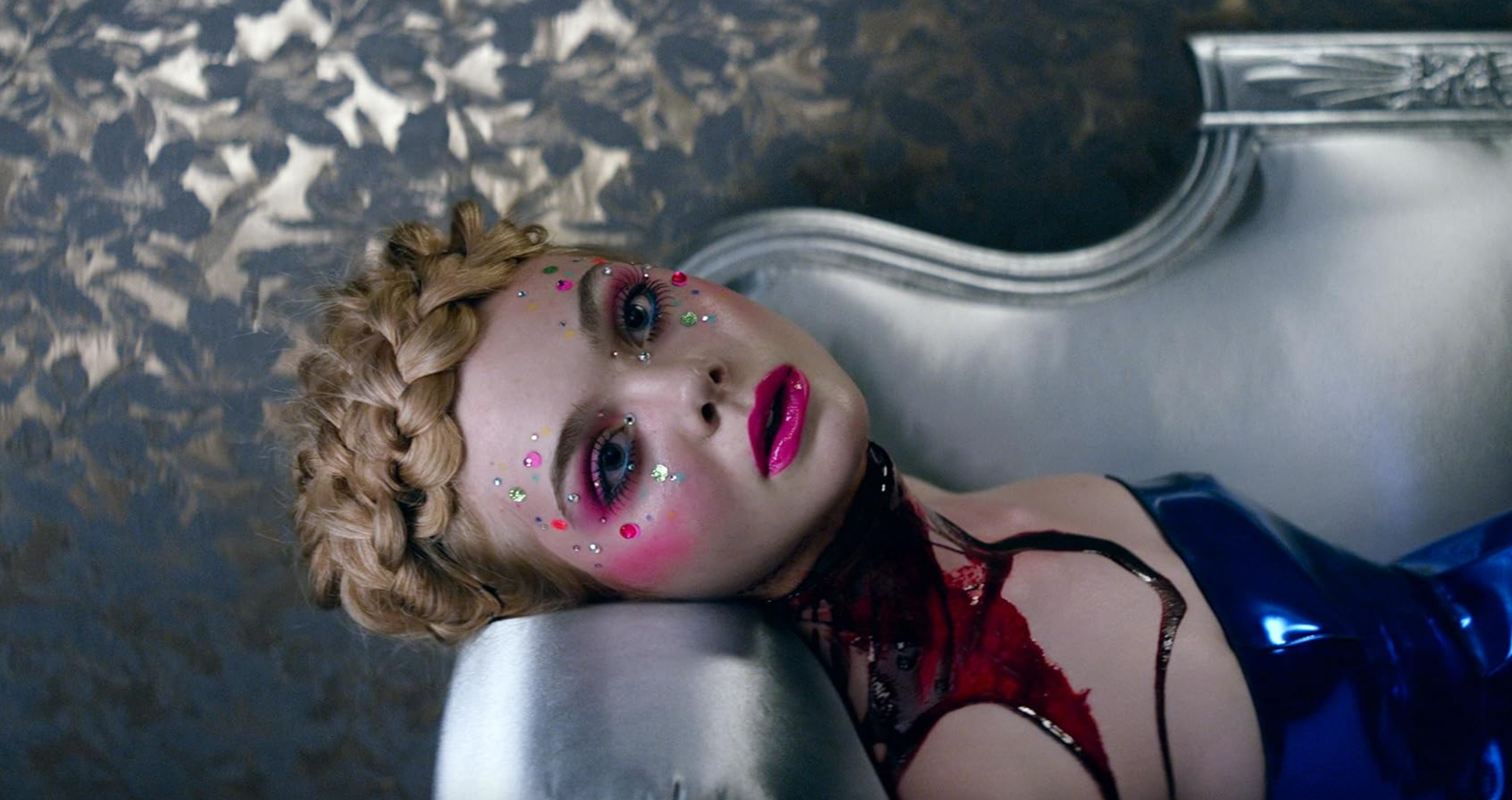
Elle Fanning in The Neon Demon (2016)
And vulgar the film is. Distinctly arthouse yet grounded in its depiction of toxic femininity and narcissism (the TikTok term 'divine feminine' comes to mind), the slower pace of the film dives into the depths of woman-on-woman sexual violence, vampirism, and grooming, with Winding Refn's signature neon flair. It feels as though Drive is exploring the plane of Earth, whilst Neon Demon digs into the depths of hell.
Professor Marston and the Wonder Women (2017)
*****
Director: Angela Robinson
Writer: Angela Robinson
Starring: Luke Evans as William Moulton Marston; Rebecca Hall as Elizabeth Holloway Marston; Bella Heathcote as Olive Byrne
In the late 1920s, husband and wife William and Elizabeth teach and conduct psychology research at Harvard University. One of William's students, Olive, becomes their research assistant, and quickly develops an attraction towards the couple. As their relationship turns from a professional one into an intense friendship, others at the university begin to notice the blurred lines between the trio.
On the surface, it sounds predatory that the Marstons developed a romantic and sexual connection with their research assistant, which, yes, is a valid concern. However -- and please be patient here -- this is an incredibly beautiful film. The dynamic is not, at least how portrayed in the film, a safeguarding concern, though we would view it from that lens today. It's complex, and this is not a defence of professor-student relationships; it's just vital to understand the context in which this throuple developed.
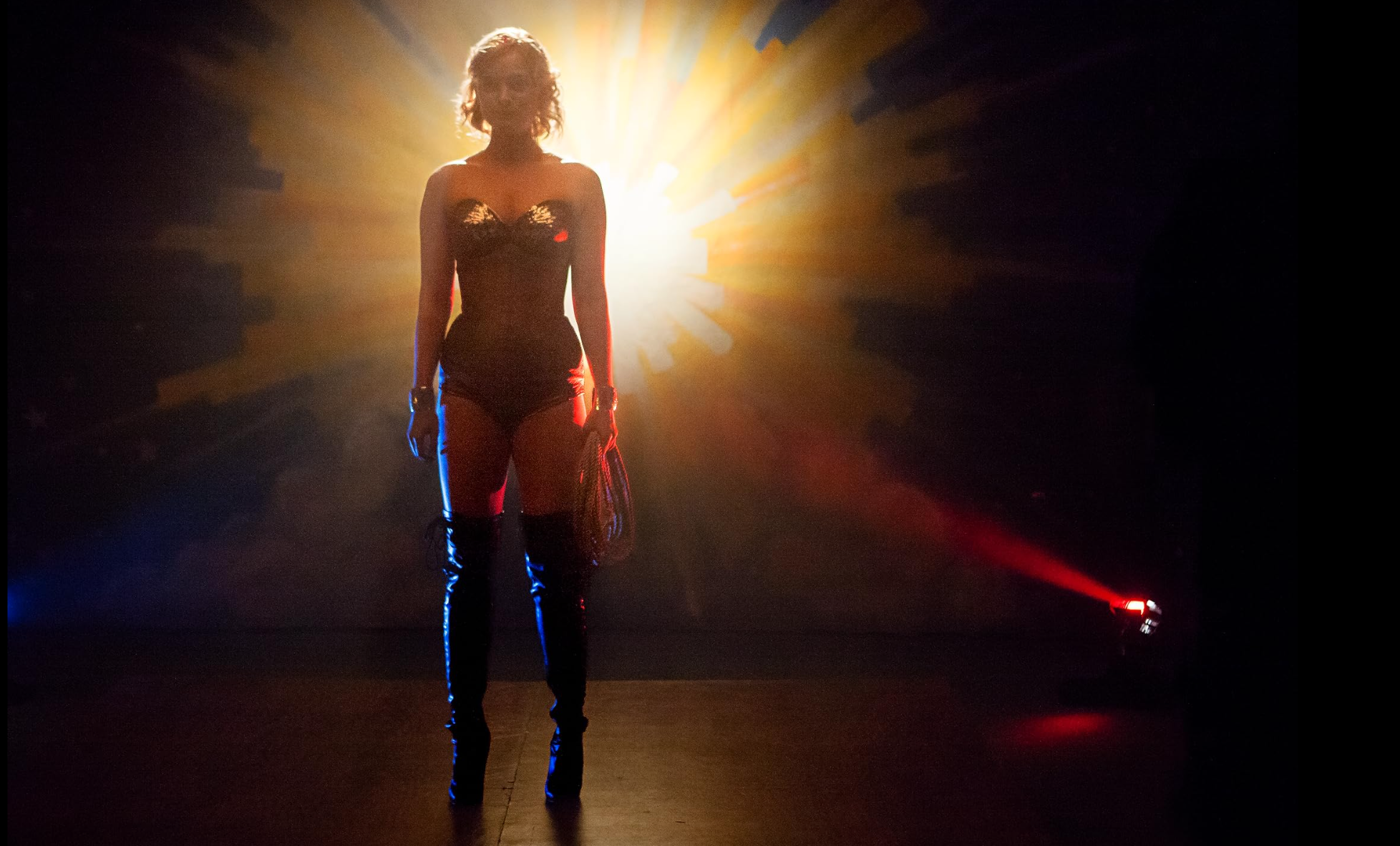
Bella Heathcote in Professor Marston and the Wonder Women (2017)
Wonder Women depicts the consequences William, Elizabeth, and Olive face for their choices, and the way they decide to move into a family life after this. The home they build with one another is brimming with queer joy, as they delve into their interests of dominance and submission from both a sexual and psychological standpoint, and how these motifs found themselves in Marston's writing of the Wonder Woman comics. However, it's important to note that the "true story" marketing of the feature has been challenged by the Marstons' granddaughter regarding the family's unconventional set-up.
Bodies Bodies Bodies (2022)
*****
Director: Halina Reijn
Writer: Sarah DeLappe
Starring: Maria Bakalova as Bee; Amandla Stenberg as Sophie; Myha'la as Jordan; Rachel Sennott as Alice; Chase Sui Wonders as Emma; Lee Pace as Greg; Pete Davidson as David
Recently out of rehab, Sophie brings her new girlfriend, Bee, to her wealthy friends' 'hurricane party' at an isolated mansion, owned by her best friend David's family. Her other friends, having not seen her since before recovery, appear hostile. To cut the tension, Sophie suggests a murder mystery game called 'Bodies Bodies Bodies,' which leads to a night of unexpected gore.
Halina Reijn's sophomore feature criticises the hypocritical righteousness of the upper-middle class. Their attitude towards their long-term friend, Sophie, after returning from an extended stay in rehab is cold and unwelcoming, concerned that her sobriety may affect their recreational drug use. It's the same towards Bee, an outsider from a working-class immigrant background who has had to act as a carer for her mentally ill mother.
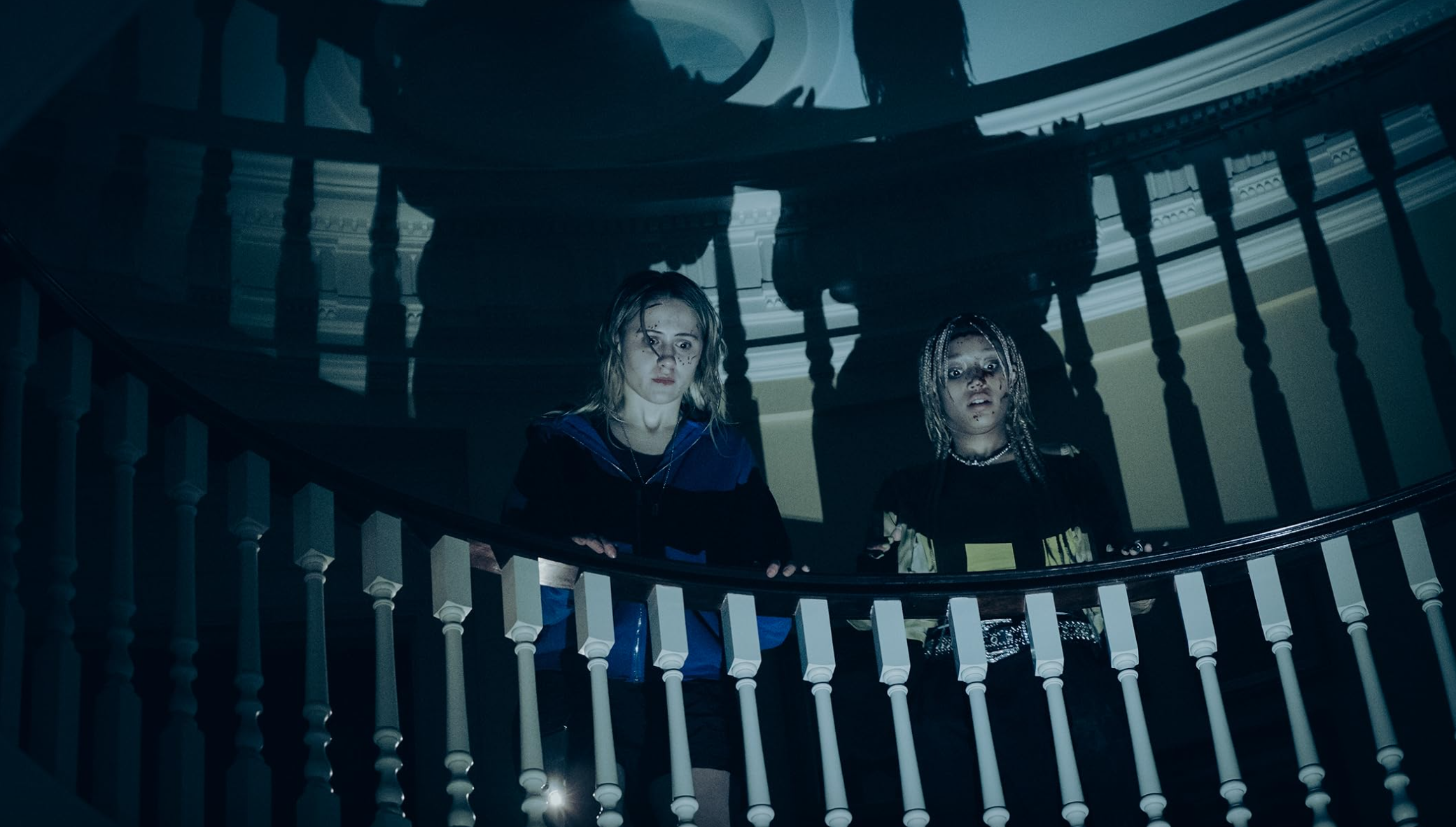
Maria Bakalova and Amandla Stenberg in Bodies Bodies Bodies (2022)
The only two characters that do offer some semblance of support to Sophie and Bee are Alice and Greg, the latter of whom is another outsider and older than the rest of the group. They show an ability of self-reflection that appears obnoxious to the rest of the friend group, who constantly bicker with one another. Bodies Bodies Bodies does an excellent job at tying together a farce of both depressing and self-deprecating elements.
Passages (2023)
***1/2
Director: Ira Sachs
Writers: Mauricio Zacharias; Arlette Langmann; Ira Sachs
Starring: Franz Rogowski as Tomas Freiburg; Ben Whishaw as Martin; Adèle Exarchopoulos as Agathe
A married couple, Tomas and Martin, reach a stalemate when Tomas begins exploring his bisexuality through an affair with a woman, Agathe. Martin, exhausted with Tomas' volatility, begins a relationship with Amad. But Tomas is unwilling to let either party live their life without him.
Tomas is up there with some of the worst bisexuals ever. Considering bisexuals don't tend to get the best wrap anyway -- often not due to fault of our own, but more so others making assumptions about our behaviour that Tomas' character does not help to challenge -- Passages is, admittedly, an intriguing choice for a queer film rec list in the midst of Pride month.
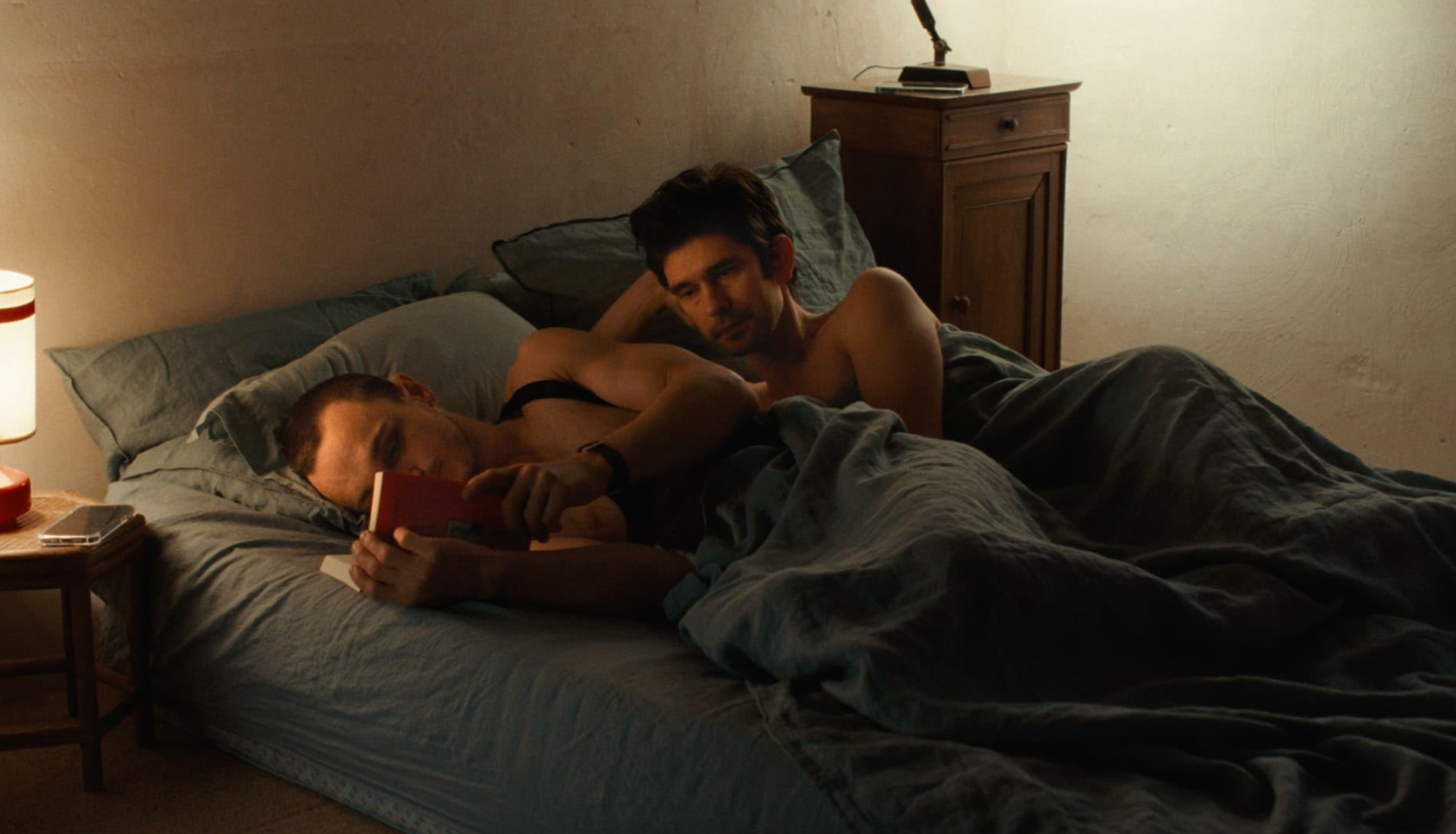
Franz Rogowski and Ben Whishaw in Passages (2023)
The aimlessness of Tomas' actions are frustrating to watch, impressively performed with authenticity by Franz Rogowski. His thoughtlessness is contrasted with Whishaw and Exarchopoulos' more mellow mannerisms, though their patience is tested to the utmost with Tomas' astounding lack of accountability. At its core, the film is a cautionary tale about self-absorption.
D.E.B.S (2004)
****
Director: Angela Robinson
Writer: Angela Robinson
Starring: Sara Foster as Amy Bradshaw; Jordana Brewster as Lucy Diamond; Meagan Good as Max Brewer; Jill Ritchie as Janet; Devon Aoki as Dominique
Amy, Max, Janet, and Dominique are students of D.E.B.S., a secret espionage academy that selects its pupils through a hidden test within the SAT exams. As part of her senior thesis, Amy is writing an essay on the infamous criminal Lucy Diamond; but, when Amy tracks Lucy down, an undeniable chemistry is ignited between the two.
In huge contrast to Wonder Women, D.E.B.S. is Angela Robinson's debut feature film with far more campness embedded into the costuming, direction, and world-building. Whilst Wonder Women is a historical drama detailing the harrowing impact the prejudiced views of the heteronormative world have on its characters, D.E.B.S. sits comfortably in the genre of action comedy. Yes, there's still lesbophobia directed at Amy and Lucy, but the saturated environment that surrounds them makes it feel more in keeping with the tone of films like But I'm a Cheerleader (1999).
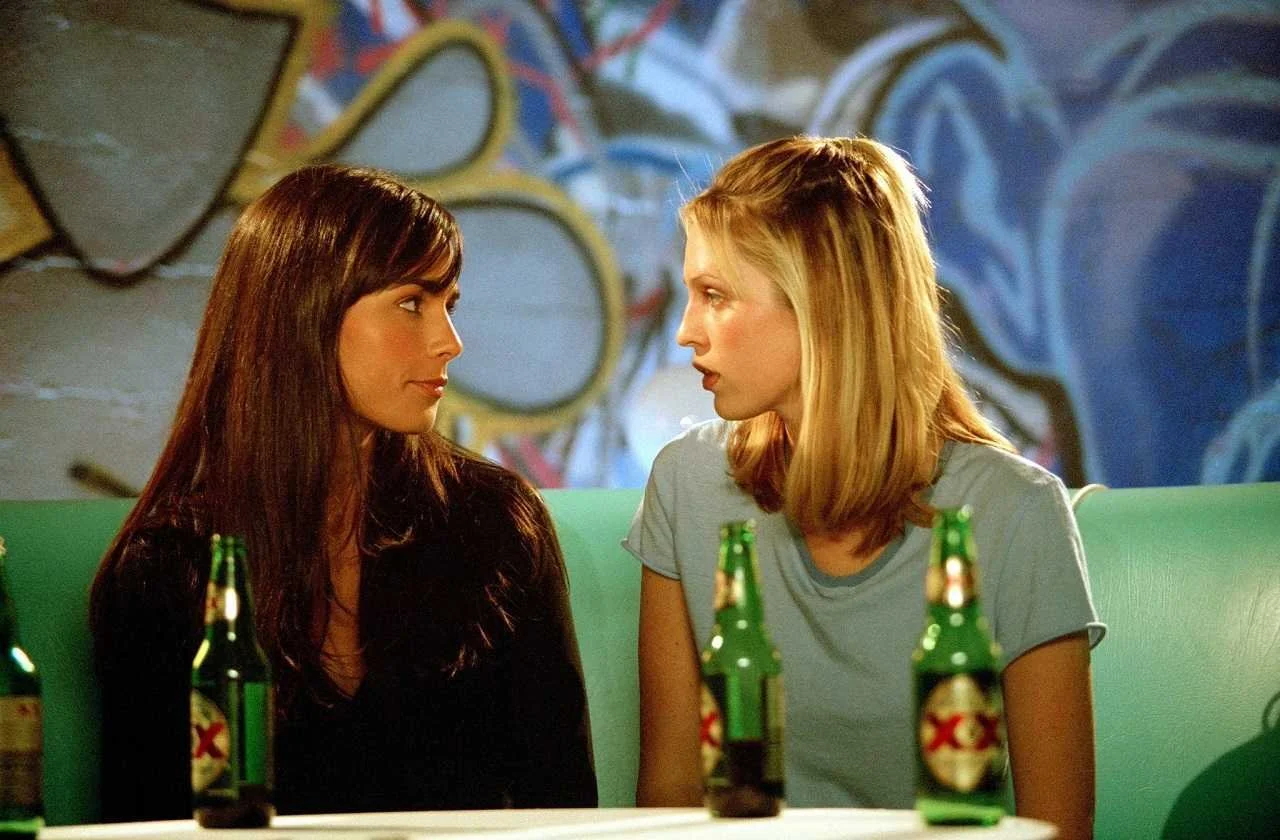
Jordana Brewster and Sara Foster in D.E.B.S. (2004)
D.E.B.S., like Showgirls, has found its audience in later years, becoming a queer cult classic despite a poor critical response. The comic book-style of the movie bears similarities to the kitschiness of Sam Raimi's Spider-Man trilogy and Robert Rodriguez's Spy Kids. Sometimes when the queer dramas all feel too heavy, it's easier to stick on D.E.B.S. and kick your feet in the air whilst watching two femmes find love.


Rachel Gambling is a writer and poet from Southend-on-Sea, UK. She has a lot of thoughts on some things. She is the Founder and Editor-in-Chief of girlblog! a Riot Grrrl arts and culture webzine providing an intersectional perspective on film, TV, music, and lifestyle.
Her poetry has been published in T'Art, Queerlings, Where the Land Forgets Itself, and Kamena, and her self-published pamphlet, Cape Point, was part of the 2025 Estuary Anthology. She has written content for Cliterally the Best, Brook, JustWatch, and The Socialist.