
Jungian Archetypes and Womanhood in Horror Cinema
By Reia Wood
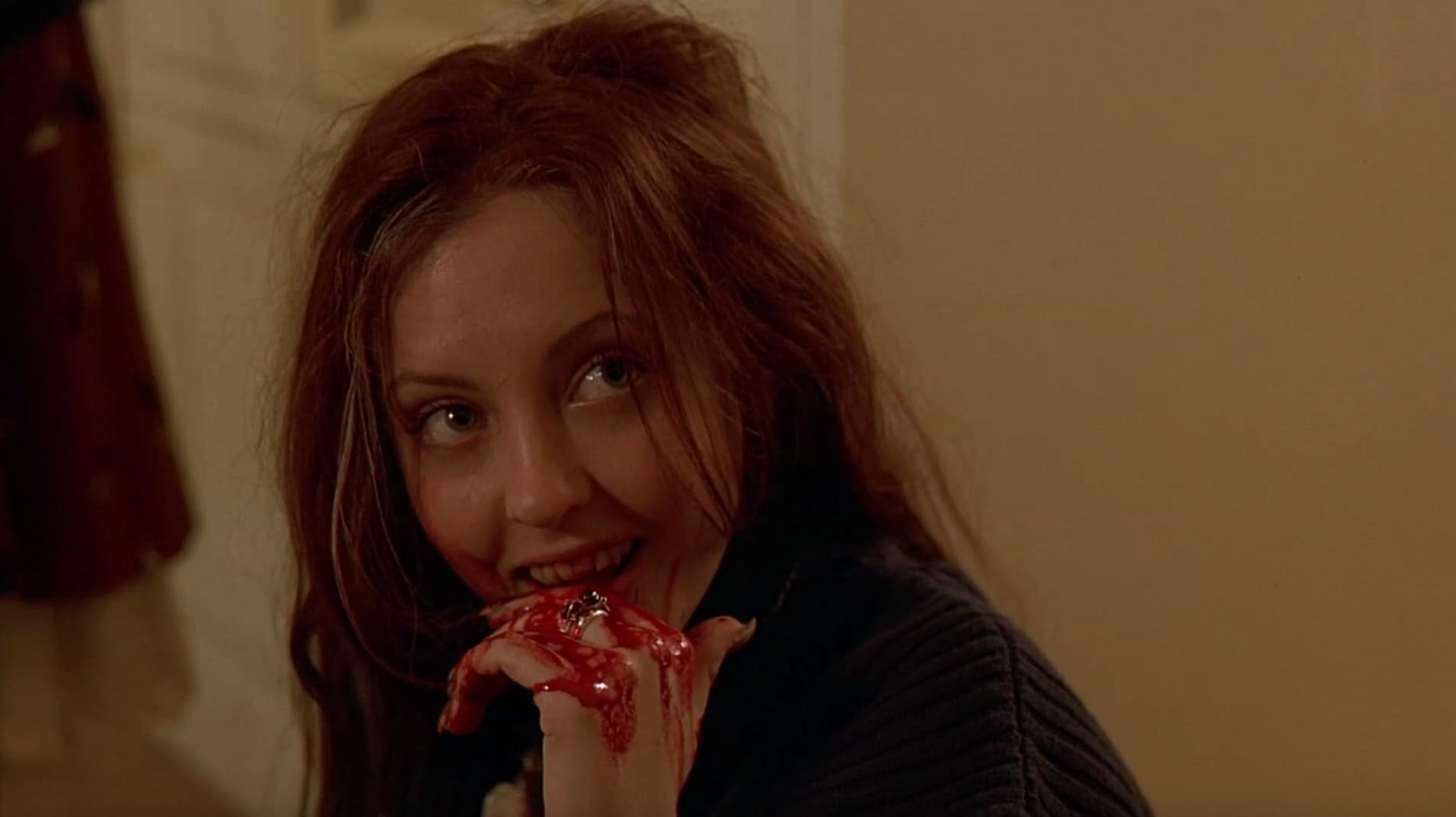
Katharine Isabelle as Ginger in Ginger Snaps (2000)
I can’t remember a time where I didn’t fear my body. From a young age, I was taught to be hyperconscious of how I positioned myself physically. I made sure my legs were always pressed together tight or crossed when seated. I tested the appropriateness of my outfits by raising my arms to see if my shirts would expose my belly, or bending over to check if my undergarments would remain fully covered by my dress. By the time I got my period, I noticed my father would wince when I needed him to pick up tampons at the store, and he would clam up if I told him I had cramps. I was scared of being overexposed: of the length of my skirt being the reason I’d get a write up at school. I was scared of being seen as disgusting: of having to put my bloodstained bedsheets in the hamper for my father to wash.
The older I get, it seems the more I have to fear. I watch my mother separate her greys from her jet black curls as she reminisces on how voluminous her hair used to be. I flip through magazines to see that my favourite celebrities no longer have the unique features they did in the 90s. Everyone looks like a Snapchat filter and has the frame of a supermodel, all thanks to GLP-1s. Everywhere I look, I get the same message: I’m not as pretty as I could be. Even if I was, I’d have to spend the rest of my life fighting to hold onto that beauty which, evidently, is only a transitory possession.
It has never been lost on me that all these fears are tied to my womanhood and that the media, especially horror films, have made it clear that femininity is to be feared. Being on the other side of it, living as the person carrying what it is to be fearful of, I have learned that horror works as a mirror reflecting society’s deepest anxieties through violence, possession, bodily transformations, and death.
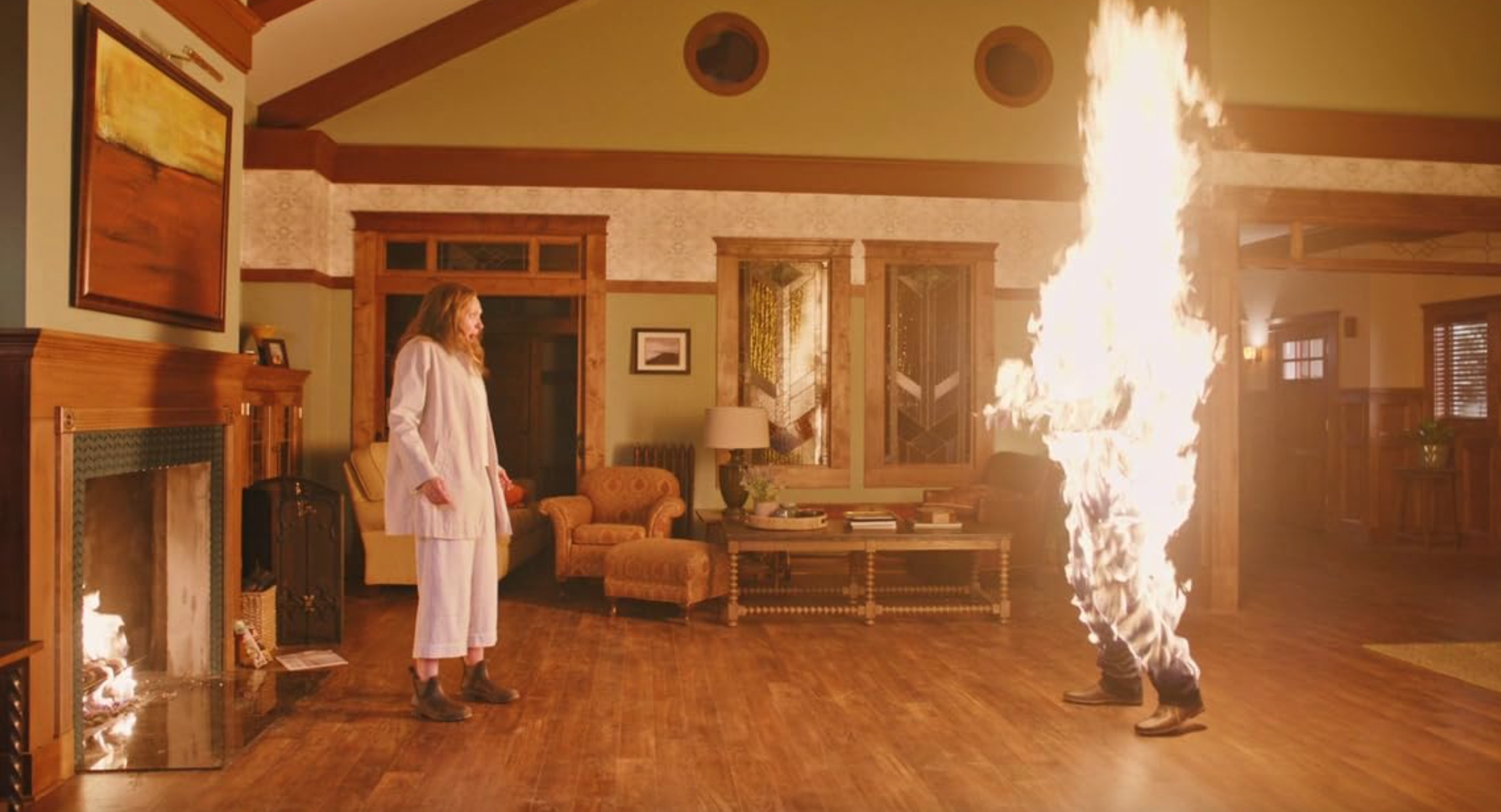
Hereditary (2018)
Women in horror are often portrayed as virgins, mothers, seductresses, witches, victims, and monsters. All of these figures reflect longstanding cultural archetypes about how women are perceived by the patriarchy as well as how they are expected to be. The aforementioned depictions are intentional and reveal the psychological and social narratives that surround gender.
Being a tarot reader, I first discovered the concept of archetypes when on the hunt for a new deck. A fellow reader recommended Caroline Myss’ Archetype Cards, inspired by psychiatrist Carl Jung’s theory of archetypes which asserted that humans inherited universal symbolic patterns that play out through various personalities/personas. He considered this to be the collective unconscious. The archetypes highlighted models of identity and behaviour repeatedly reproduced by society. The feminine identity was specifically conceptualised by Jung through archetypal figures such as the Maiden, Mother, Lover, and Crone; all of which are associated with youth, sexuality, nurturing, intuition, and destruction.
Jung’s gender theories have been critiqued for reinforcing essentialist ideas about femininity (rightfully so). However, his framework remains useful when analyzing how the media has a tendency to assign women symbolic roles as opposed to giving them dimension. Horror films take these archetypes to the extremes, so much so that the result is instability. We watch the innocent girl become dangerous, the mother destructive, and the aging woman grotesque. These transformations, despite their situational differences, share a commonality in revealing how the patriarchy constructs femininity in a controlled manner, and instilling fear in those who are privy to these women who resist the limitations placed upon them.
Ginger’s Growing Pains & Fangs
If you are a practicing witch, you may already have an understanding of the Mother, Maiden, and Crone, whether that is through the deities you work with or your own stage within your witch journey. For those unfamiliar, the maiden archetype is associated with innocence, youth, purity, and transitions. She exists in a liminal space: an undefined territory that borders between transcending childhood and starting adulthood. The Maiden is defined by her potential and is both romanticised and fetishised for her youthful femininity before she is able to exercise any sexual agency.
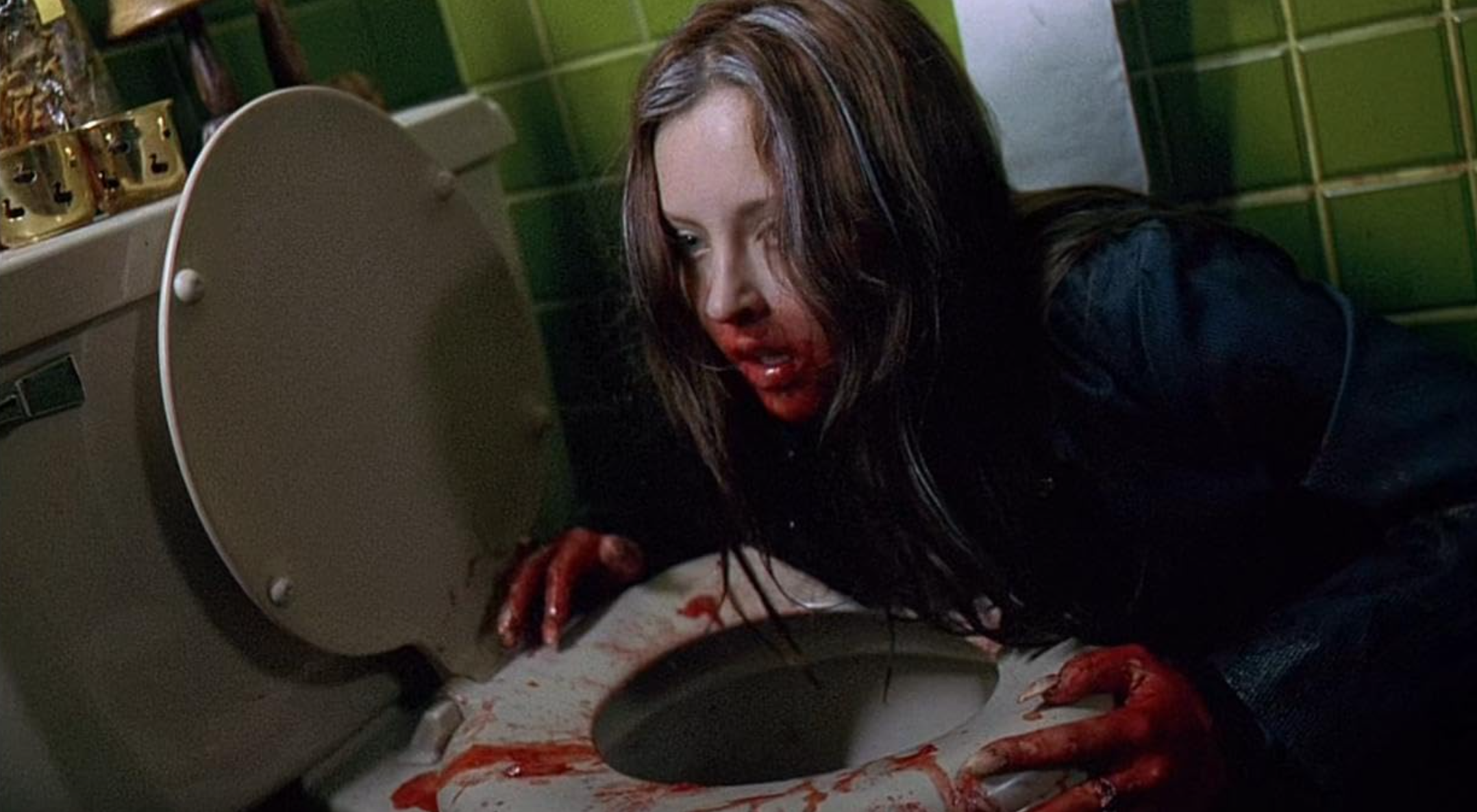
Ginger Snaps (2000)
Ginger Snaps (2000) links this liminal space, physically represented by puberty, by likening Ginger’s transitional stage of her adolescence to lycanthropy. After she gets her first period, she is attacked by a werewolf, causing hair to grow from her body, temperament changes, and increased sexual desire (which is notably aggressive and insatiable).
Our understanding of the werewolf myth becomes a beautiful, morbid metaphor for Ginger’s growing pains which we can all resonate with. While the film frames menstruation, sexual development, and emotional volatility as horrifying, the audience understands that these facets are not inherently dangerous, but is only viewed as such because society deems it to be disruptive. Her transformation is a mere reflection of misogynistic anxiety surrounding girls becoming women. The end result is that the maiden is celebrated only for the duration of her perceived innocence. The moment she begins to develop sexual agency, she becomes frightening.
Jennifer, And Her Body, Are Still Socially Relevant
The Lover, or seductress archetype, embodies sensuality, beauty, desire, and fosters temptation. Historically, this archetype is echoed through the myths of sirens, succubi, and the femme fatale trope. These women are marked with a sexuality that serves as a threat to male control.
Jennifer’s Body (2009) initially presents Jennifer as the stereotypical desirable girl: beautiful, young, charismatic, and confident. However, after she is sacrificed by the band Low Shoulder in an effort for them to achieve fame, she becomes possessed and begins killing boys.
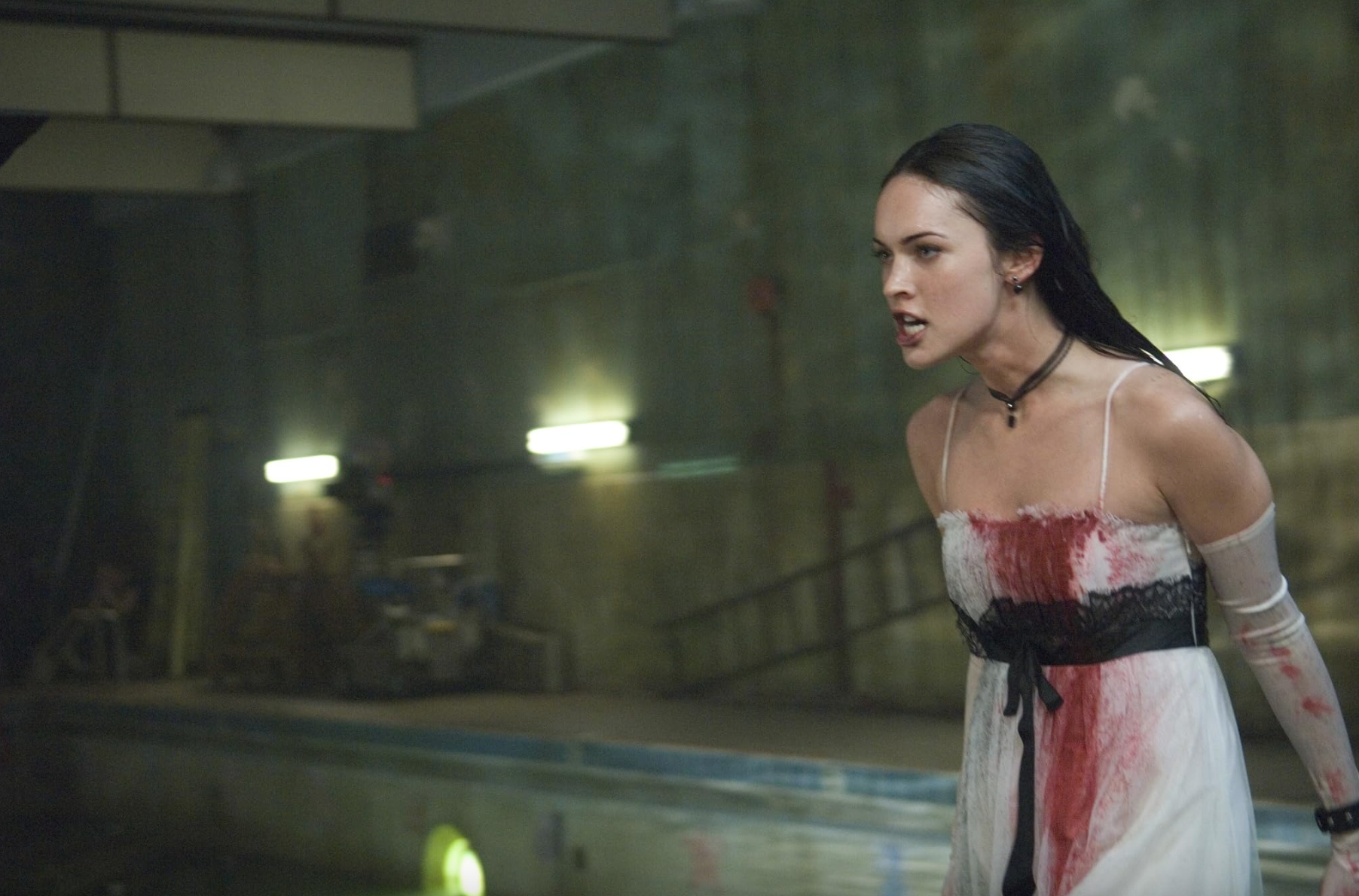
Megan Fox in Jennifer’s Body (2009)
Jennifer’s transformation reveals how patriarchal systems commodify female beauty. Her body is objectified and used as a resource for male success. Once violated, she weaponises the desirability that men had projected onto her.
The film does a wonderful job critiquing the cultural contradiction in which women are expected to be attractive but are condemned when they express their sexual power, or the freedom they experience via their sexuality. Jennifer is terrifying because she refuses to remain consumable. Rather than existing for male pleasure, she literally and figuratively reverses these misogynistic roles by going against the patriarchal expectations of passive femininity, and physically consuming the men around her.
X Marks The Crone
The Crone archetype is represented by wisdom, aging, death, and feminine knowledge. In paternalistic societies, older women tend to be stripped of desirability and cultural value because their worth is constantly tied to their youth and beauty.
The film X (2022) exemplifies the Crone archetype through Pearl’s character: an elderly woman fixated on the young, adult film actress Maxine. As the movie unfolds, it becomes clear that Pearl’s violence is rooted in her desperation to reclaim desirability. It is not enough to view her as envious of Maxine. Her rage is a step within her grieving process as she mourns the loss of cultural visibility. Her aging body has made her socially invisible while Maxine exists on the opposite side of the spectrum, representing sexual freedom and possibility.
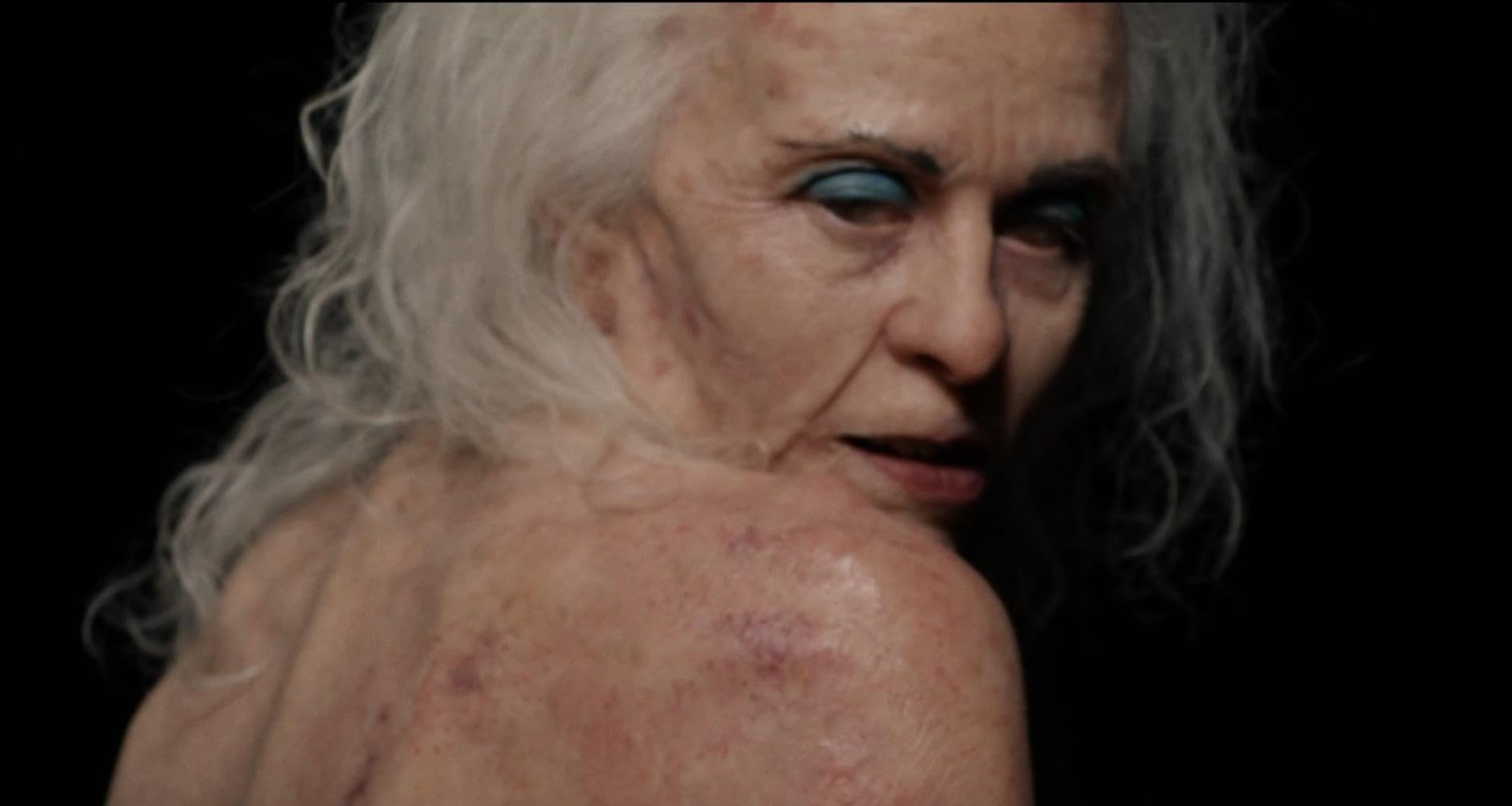
Mia Goth as Pearl in X (2022)
It cannot go without saying that actress Mia Goth plays both Maxine and Pearl, providing another layer to the two’s relationship with one another. Being played by the same actress, the two characters become unified. Pearl inflicts this violence upon herself, or at least a version of herself that has been lost to age, which reinforces the idea that her violence is her mourning. In the end, her tragedy does not reside within the notion of aging, only having to live in a culture that treats aging women as disposable.
The Shadow of The Substance
The Substance (2024) expands this conversation by combining the concepts of both archetypes, the Maiden and the Crone, while also acting as a reflection of Jung’s concept of “The Shadow”. According to Jung, the Shadow self manifests as the repressed parts of oneself that emerge when denied integration.
The film centres Elisabeth Sparkle, an aging celebrity, who is discarded by the entertainment industry due to her age. Because of this, she takes a black-market substance that births a younger version of herself, Sue.
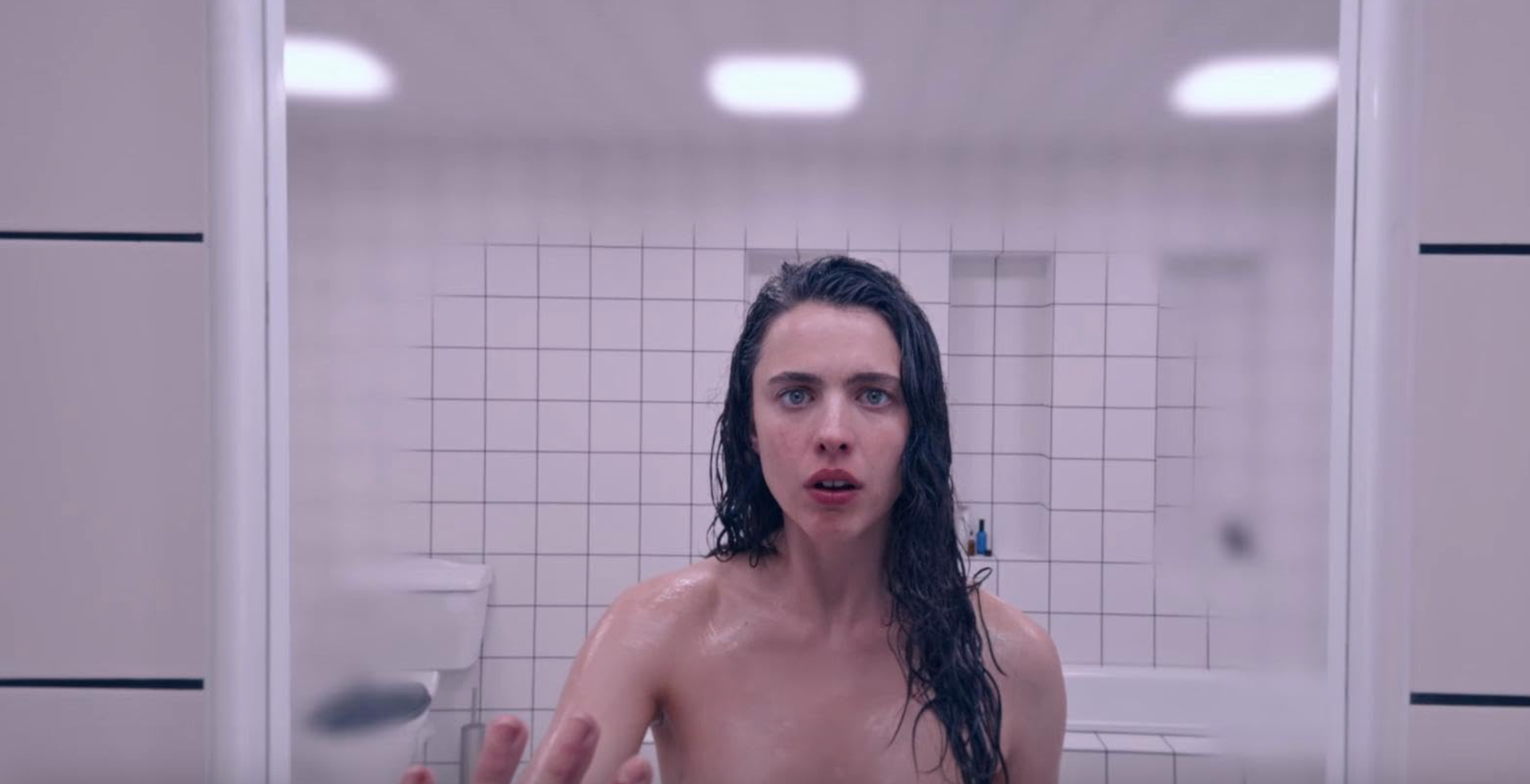
Margaret Qualley as Sue in The Substance (2024)
Sue is the idealised feminine of male hegemony: young, beautiful, sexy, and marketable, and is rewarded for possessing these traits. Elisabeth does not get to take direct pleasure in Sue’s success as she becomes increasingly alienated from her own body while Sue fully replaces her. The two are fractured halves of a single identity: the denied integration, a.k.a The Shadow.
The film critiques industries that encourage women to self-destruct in pursuit of impossible ideals, allowing the horror genre to become a language for showing the violence of feminine beauty standards.
“I am your mother, you [misogynistic] little shit!”
The bridge between the Maiden and the Crone is the archetype of the Mother. She symbolises nurturing, creation, protection, and emotional safety. Interestingly enough, Jung also acknowledged “the terrible mother”, a figure that embodied shadow attributes of the mother's control, engulfment, and destruction.
Hereditary (2018) showcases Annie Graham, the mother of two children, who carries resentment towards her role as mother as well as inherited trauma: both of which give way to emotional instability. Her inability to protect her children challenges cultural myths of mothers being endlessly self-sacrificing.
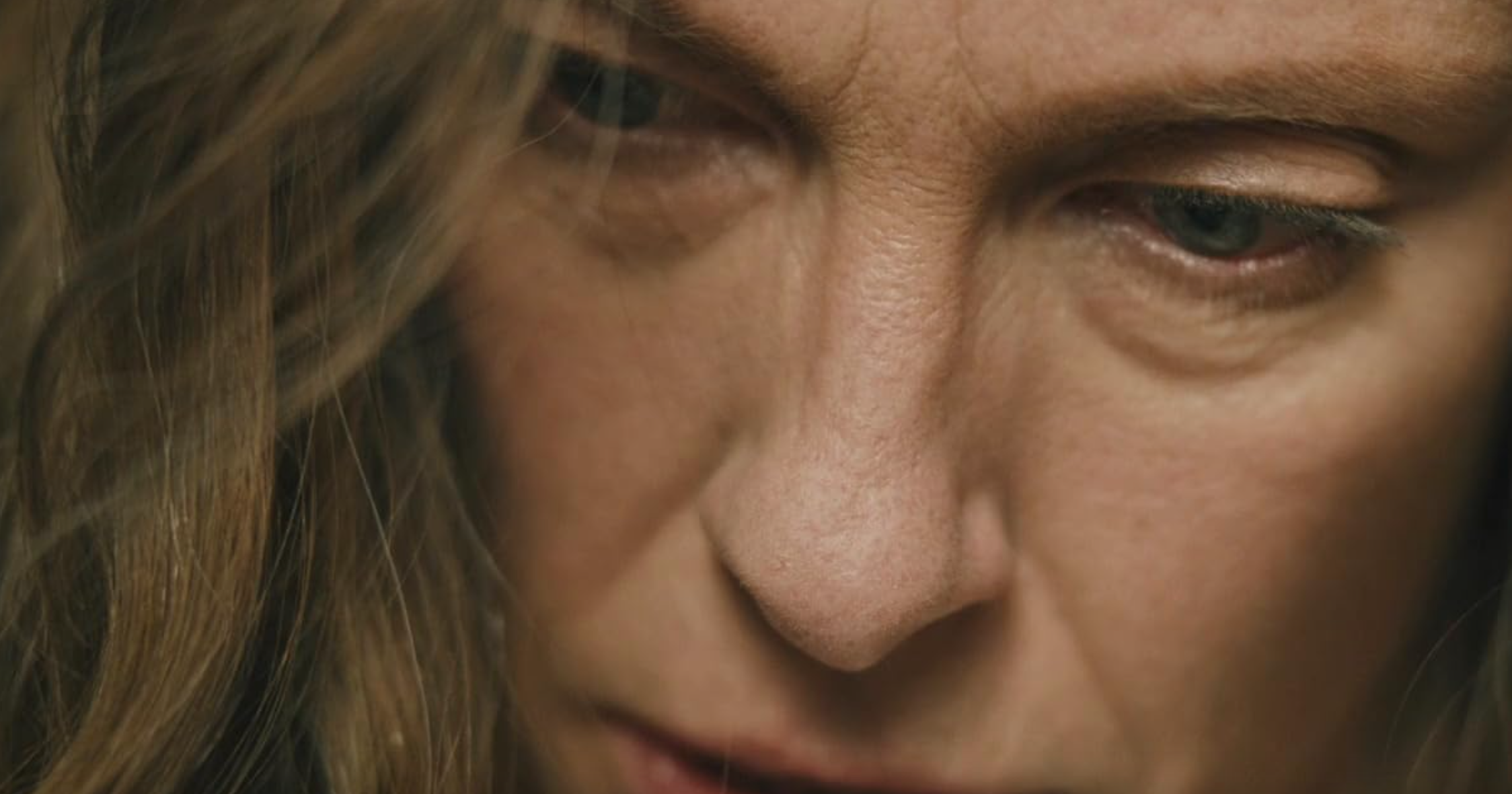
Toni Collette as Annie in Hereditary (2018)
Annie’s mother, Ellen, manifests as the generational control existing after death, causing Annie to inherit maternal expectations that feel restrictive. In the world of Hereditary, motherhood is acknowledged as being equal parts sacred expectation and impossible burden. It’s an important reckoning in a society that romanticises what it is to be a mother all while ignoring the psychological labor that women have to perform.
Femininity as The Ultimate Scream Queen
When a patriarchate relies on clearly defined roles for women, it is easy for horror to become an avenue in which these feminine archetypes come to fruition. We see that women are expected to remain desirable but not necessarily sexually autonomous. We must be relentlessly nurturing to others, filling others cups before our own without ever expressing resentment. We are only considered to age gracefully if we are able to maintain a youthful appearance. We have to possess an innocence to us but also be mature enough to satisfy the expectations placed upon us.
These are all universal experiences that transcend race, ethnicity, class, and are applicable to all femme-presenting persons and self-identified women. Jung argued that these archetypes allow societies to formulate meaning, but horror shows us what happens when these archetypes become prisons.

Jennifer’s Body (2009)
I don’t want to live in a world where my wrinkles are weaponised against me, where I am expected to wage a war against my own body for functioning the way it does naturally. I don’t want my womanhood to be marked by interims, to walk a tightline from maidenhood to motherhood. That is why I, and most women, turn to horror: to seek comfort in its exposure of femininity as a performance shaped by cultural surveillance and punishment. Within the genre, women are given both the space to set fire to these societal norms and the strength to withstand the flames.
Horror asks, “If femininity is socially constructed through rigid archetypes, what happens when women refuse to perform them?”. Characters like Ginger, Jennifer, Elisabeth, & Annie reveal that the answer is chaos, and the viewers understand that within that chaos lies our liberation.


Reia Wood (she/her/hers) is a New York City based writer, poetess, and love witch.
Prior to obtaining her degree in English Literature & Creative Writing, she became a dedicated student of witchcraft and has been doing natal charts, tarot readings, and other spiritual practices for nearly ten years. Utilizing her love of astrology and occult knowledge, Reia’s work stems from a deep desire to reimagine the material world from a whimsical, Venusian lens.
She is a firm believer that even the most macabre matters can be beautiful. Being an avid horror enthusiast, Reia uses the horror genre as a tool to articulate her own femininity and spirituality, always striving to capture the light of what most perceive as dark.