
Your ‘Instant Cult Classic’ is Kitschy
By Avery Jay
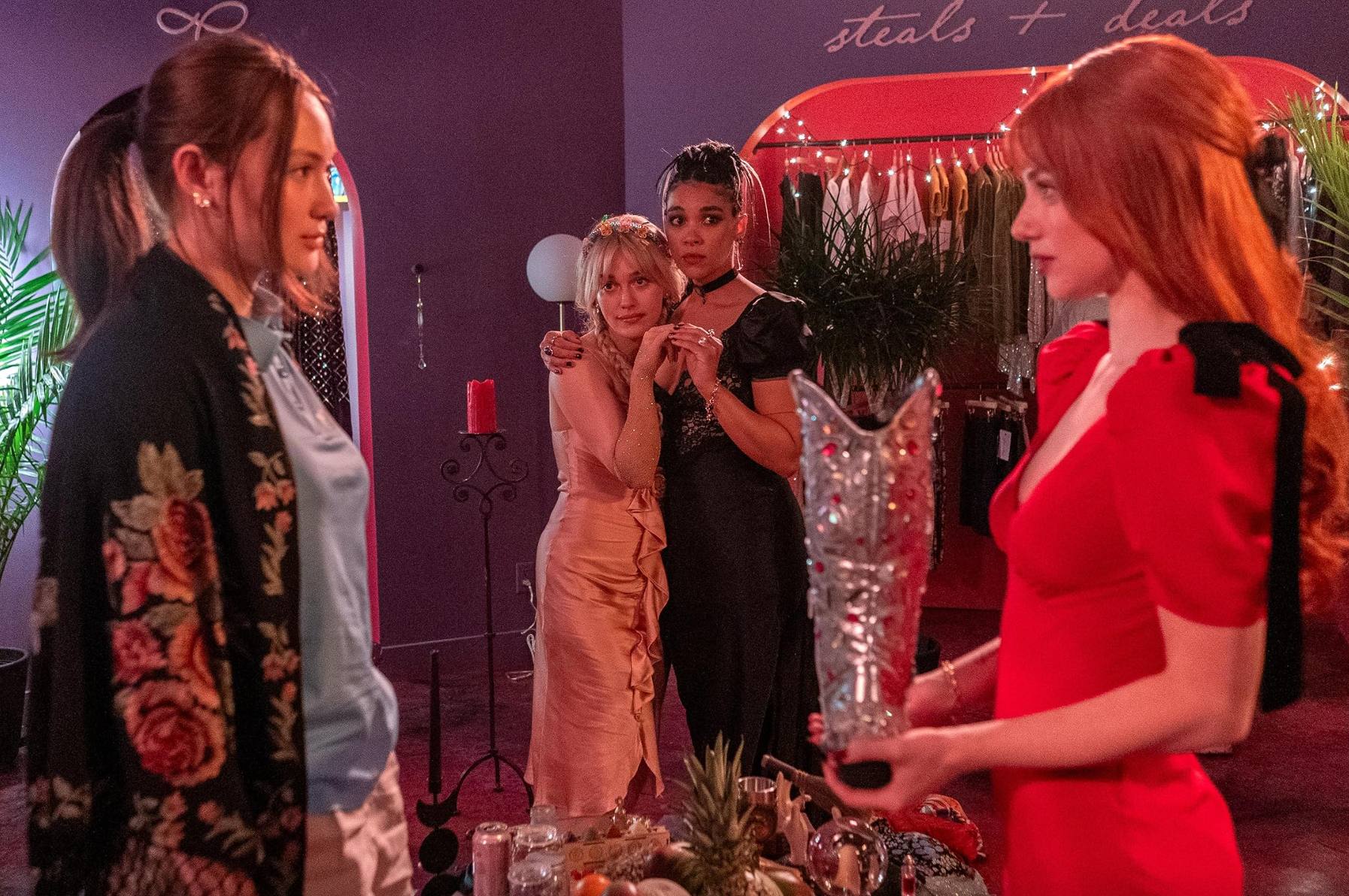
Lola Tung, Victoria Pedretti, Alexandra Shipp, and Lili Reinhart in Forbidden Fruits (2026)
Cult classic fans are familiar with this game. When a boundary-pushing movie comes out in theaters, with little marketing and a small box-office window, its livelihood is unexpected. It could be The Blair Witch Project (1999) with a surprise home run setting industry records or it could be just a box office flop set to be rediscovered at home months or years later. That is the birth of a cult classic. There’s nothing instant about it. In fact, the anatomy of a cult classic is, in part, time. I started thinking about this as Forbidden Fruits (2026) reviews began rolling out with the phrase “instant cult classic” stamped on it. I've been “fan-base made” since I was 10 years old, so I couldn't help the offense that I assumed. It was for good reason though.
The Anatomy of Cult Film
Cult films became a part of film culture as early as the 1970s though they can be traced back as far as 1922 with Nosferatu. When characterized, these films were usually underground, hard to access, and controversial. They weren’t widely accepted in the mainstream media, yet developed their own audiences after midnight. But our ways of consuming media have changed since then: VHS to DVD to streaming and social media. I know you’ve watched a movie in parts on TikTok. While some scholars and critics reject the idea of a modern cult film due to the wider accessibility brought on by those advancements, word-of-mouth has always been a benefactor to cult followings. Our great John Waters garnered a cult following at a time without social media with tantalizing midnight movies like Pink Flamingos (1972). This directly led to his first mainstream hit Polyester (1981). Fast forward to the 2026 release of Forbidden Fruits and you’ll find the seedlings of an early cult following: including word-of-mouth marketing via TikTok memes. However, in a time of trends and quick-to-spoil attention spans, entertainment doesn’t stick with our culture the way it once did.
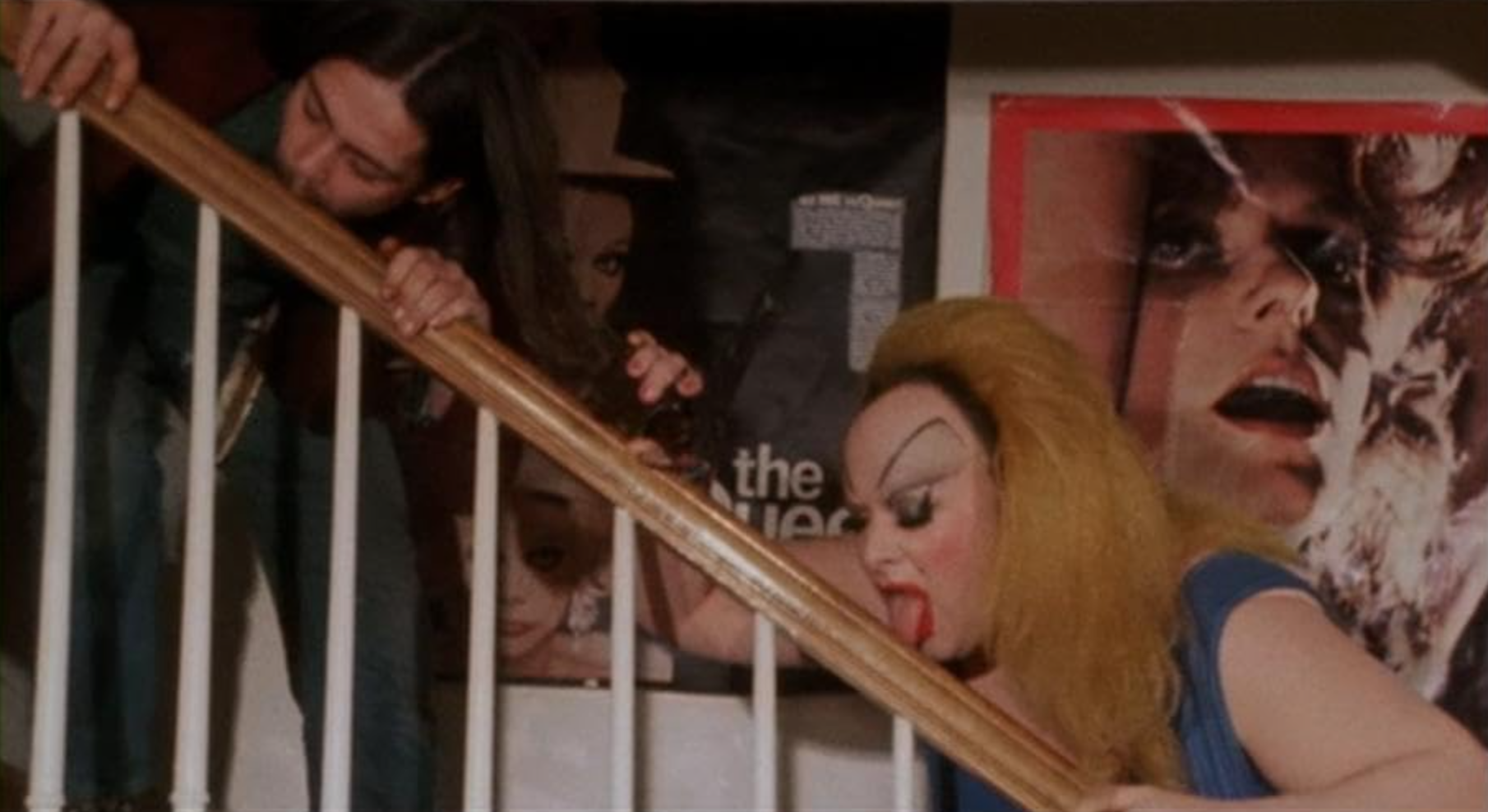
Danny Mills and Divine in Pink Flamingos (1972)
Behind every cult classic is its following: a melting pot of multigenerational fans who understand their piece of media for what the storytellers intended. They might have discovered a movie, new to them, through online fan spaces or a reissue ten years after its release. They might have even been in the theaters for it yet had no one to talk with about it. Netflix later adds it to their catalog, resulting in a larger envelopment of what once was swept under the rug. To a degree, longevity is the name of the game. When a film isn’t positioned correctly to the public, either overzealous or tone-deaf, it needs time to find its people.
Time Grows Devotion
Studios can’t always be trusted to market a film well or to the correct audience, which is why the term “instant cult classic” just comes off as kitschy. Movies like Jennifer’s Body (2009) are considered cult classics, despite being a major studio film, because its feminist recontextualisation attracted its true audience. Only, that was after its initial release. Time grows a devotion that inspires the kind of behaviour that we’ve seen with Jennifer Check and Frankenfurter: cosplay, quoting, tattoos, you name it. I still haven’t been to a Rocky Horror shadow cast, but one day. Nevertheless, these films became staples in our pop culture ecosystem despite studios trying to erase what they deemed a failure. Even film critic Matt Singer argued this in 2008 in light of the Repo: The Genetic Opera release.
Social media has changed not only our media engagements, but consumer marketing too. There is no better way to learn your target audience than by surveilling their online presence. Studios no longer need to throw their strategy at the wall in the chance that it sticks when #PopcornBucket is trending every summer. In search of their next #Icon, Blumhouse marketed M3GAN with a 20-inch bust down and made her “slay”. The gays were destined to love her. But when Universal tried to ride that “instant cult classic” high into the sequel, their slightly larger budget barely broke even in the box office. Talk about turning the tables. One critic called M3GAN 2.0, and I quote, “T3RRIBL3”. That’s the kind of pun that makes you mad for laughing, at least in Jason Blum’s case. Did I like the first movie? Yeah. Yet the sequel reeked of a desperation for that cult crowning once more.
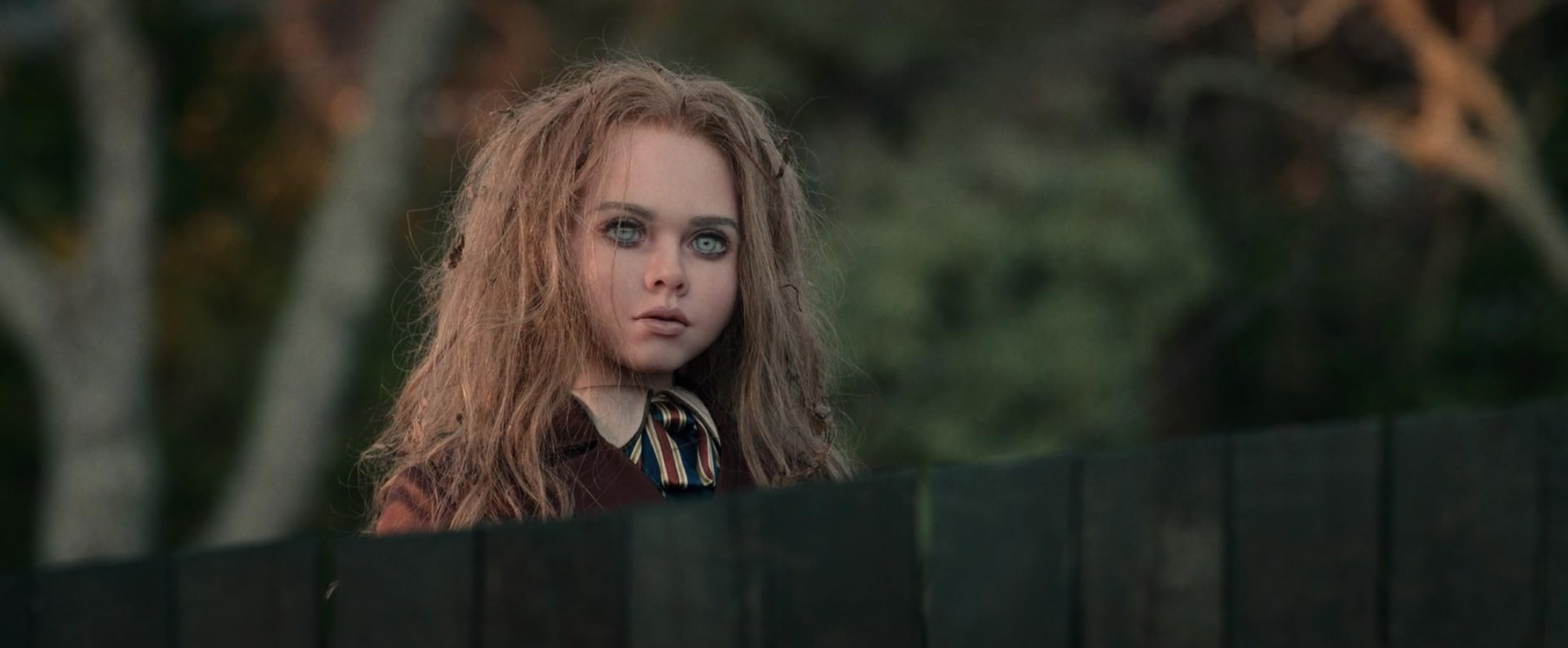
Amie Donald in M3G4N (2022)
To Pander or To Cultivate
What I admire most about the more recent Forbidden Fruits is that it knows exactly what it intends to be. Meredith Alloway and Lily Houghton, co-writers of the film, know the audience and respect them simultaneously, which you find in the marketing of it as well. You can always tell when marketing is pandering to its desired audience rather than cultivating it. Before it was released, it had this feeling of being a niche secret. The intrigue for it grew as more people saw it in theaters and, therefore, who began posting about it on social media. The film was getting pulled from theaters two weeks into its run though. It was available to rent at home only one month after its initial release.
Despite that, this is one of the few cases where a niche film (independent at that) finds its audience right out the gate, which is monumental for a film so divinely feminine. It’s possible for this film to be a cult classic with time, but there’s a rubric and “instant” is not a part of it. It’s true that social media, along with smart devices, has sparked a decline in our attention spans. We’re always waiting for the next exciting trend to satisfy our needs without ever savoring one thing for too long. These apps are also responsible for inspiring interest in movies.
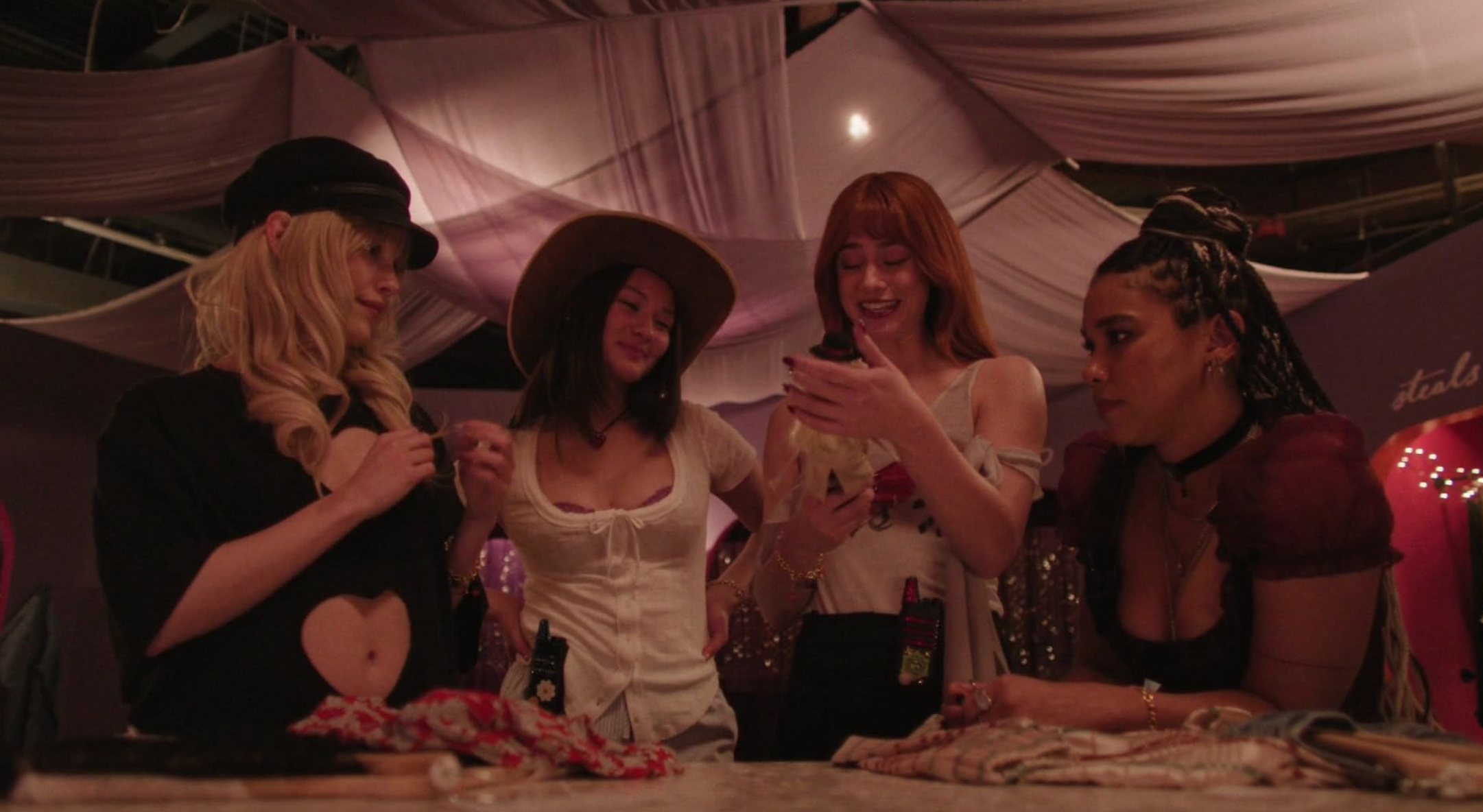
Victoria Pedretti, Lola Tung, Lili Reinhart and Alexandra Shipp in Forbidden Fruits (2026)
That notion that there are no modern cult films deflects from the pace at which we share information these days. With the advancement of the internet, our primary form of communication is Instagram or TikTok or Facebook. Theaters and studios pull the plug on movies much faster than they once did in a one big game of Capitalist chess. Just as online conversations about a film begin to rev up, the low numbers speak to the suits in charge instead. The modern cult classic exists, but it just looks different. As does our society. We desire for things to be fast, convenient, and easy-selling. That was never the name of the game for cult films and it never should be. Perhaps this is a lesson on respectable language for talking about the media we’re consuming.

Avery Jay (she/they) is girlblog’s Film & TV Editor. She copes with the horrors of the world through her love for horror in the media.
They're a journalist hunting down the best queer horror, a scholar tracking the history of Black horror, and a community organiser bringing diverse genre fans together in NYC and beyond. There's no such thing as a "bad movie" where Avery's concerned.
Her work has been published across entertainment publications: in print and online. They're the Horror Oracle: divining horror's mystique.