
Angèle: The True Rollercoaster Story of a Belgian Megastar
By Bailey Ewers-Smith
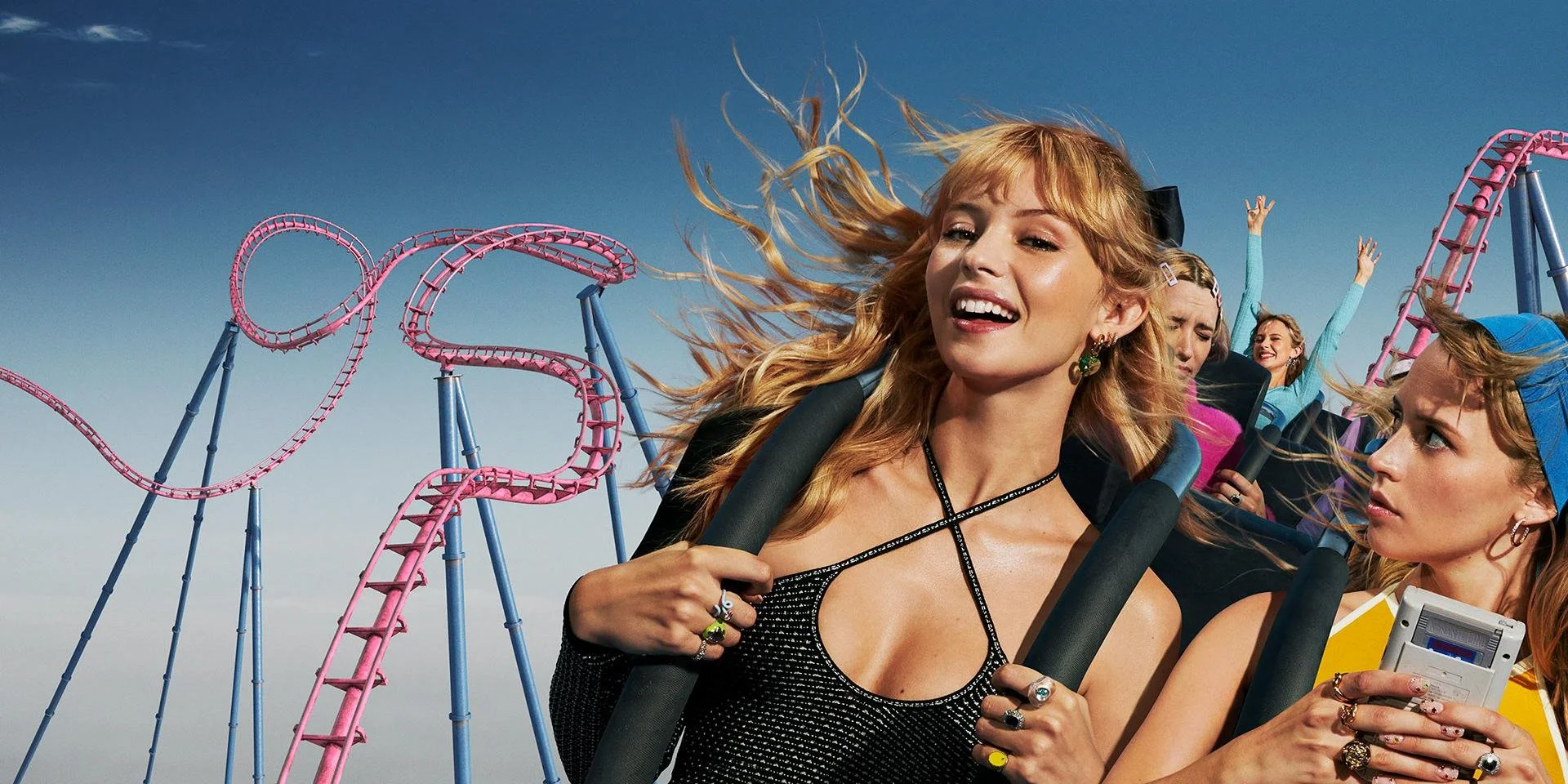
Imagine you're on a game show for a second. If you were asked to name artists that have headlined Wembley Arena, which ones would come to mind? Maybe Bob Dylan? Madonna? Or one of the top pop stars of today, like Lana Del Rey? All names that many of us have heard of and expect to have headlined one of the largest arenas in the UK. But what if I was to say the name Angèle? Doesn't immediately come to mind, does it?
Yes, even though she has graced the same Wembley stage as other pop legends, Angèle – full name Angèle Van Laeken – is somewhat of an unknown name on our shores.
Back in her home country of Belgium and neighbouring France, the singer has cemented herself as a household name. Her rollercoaster-themed album Nonante Cinq, whose tour cycle included the show at Wembley, dominated the French singles chart, with all of its songs reaching France's Top 100. She even released her own Netflix documentary a few weeks prior, eponymously titled Angèle (2021). Brol, her debut, is certified seven times Platinum in Belgium. One of its tracks would lead Angéle to recording 'Fever,’ a collaboration with Dua Lipa in 2020. Without a doubt the pinnacle of her career, this is when she made her international footprint and fell into the radar of countries such as the UK. Though despite it being what got her such a big show over here, the buzz that circled her on our shores didn't last long. People like myself, however, have stuck around.
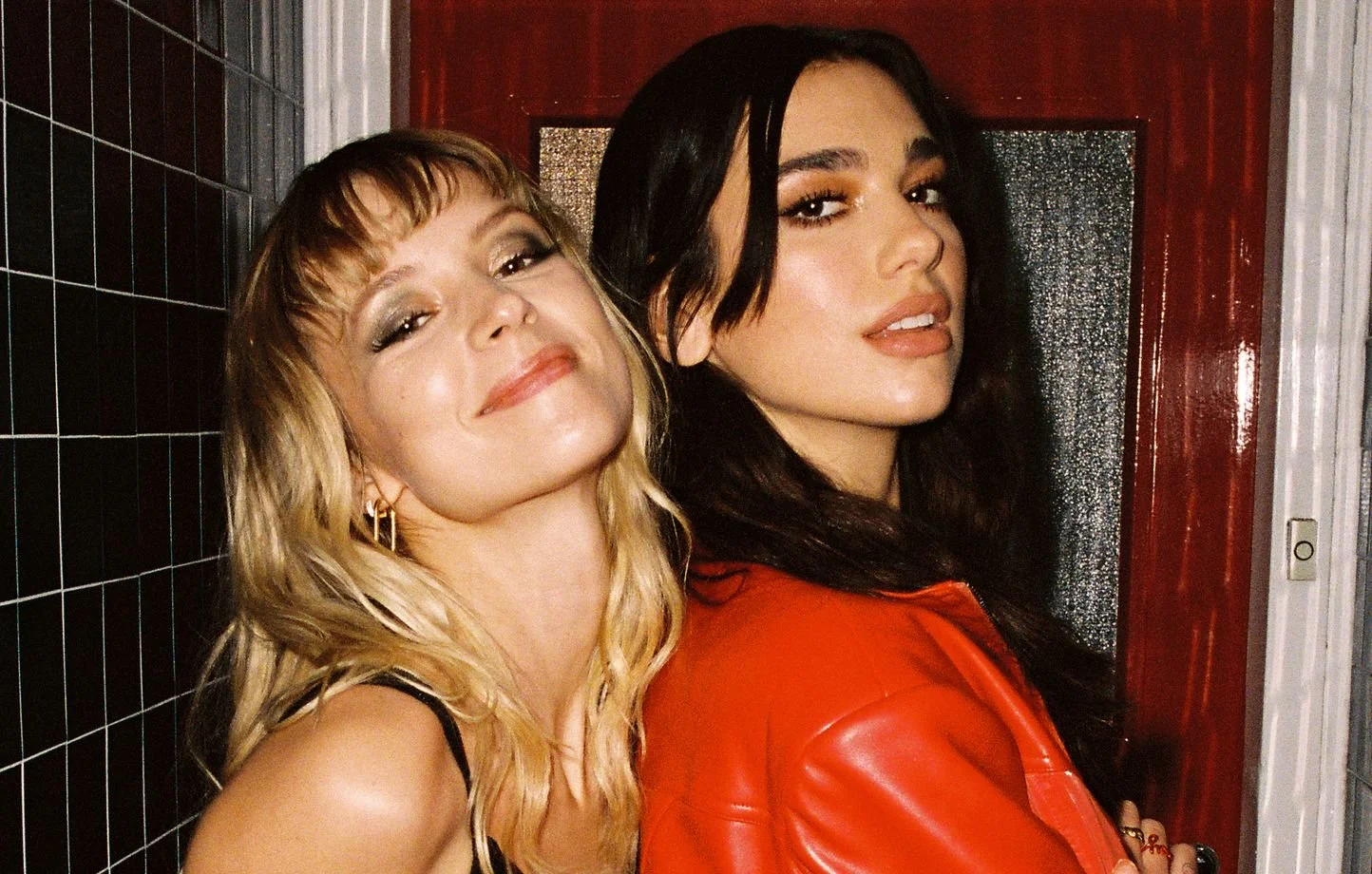
Angèle and Dua Lipa in 2020.
'Fever,’ like many of my fellow English fans, was how I first discovered Angèle. I was already a fan of Dua Lipa, and the Future Nostalgia era as a whole; I loved Angèle’s contributing vocals and artistic vibe. After identifying myself as a fan of hers, I wanted to take a deeper dive into her own work and artistry, and discovered my love of her own music, too. If I ever finally take that trip to Paris that I've always wanted to do, Nonante Cinq would serve as the perfect soundtrack. What I didn't expect to find in my deep dive into Angèle was one of the craziest rollercoasters of a career journey I've ever seen. Or to pin it down further – another perfect example of what it's like to be a young female popstar in the music industry.
To show what I mean, let's explore three stories of this crazy ride. Strap in, and let's first take a trip to Strasbourg.
In 2014, the time before Instagram’s seemingly inevitable enshitification, Angèle, 19, set up her own account, began posting videos of herself singing. Sylvie Farr, Angèle's old babysitter, was one of her early supporters. One day, she posted what was just meant to be a simple, playful comment: “shotgun le poste de manager,” translating in English to “I call shotgun on the manager position!” The thing is, Farr didn't just think Angèle was a brilliant singer. She saw that she had potential to be something more. That comment ended up turning into a serious proposal. Angele said yes, so her new manager set out to try and bring this potential to life! The first step was getting her to perform in the real world: “I did make her leave her room to perform in bars! She was quite hesitant. [she had said] ‘what are we doing?’ I'd say ‘Close your eyes. Trust me.’ We started off like this,” Sylvia says in Angèle. The plan went ahead, bringing beautiful piano performances to audiences across Brussels. Such performances even landed her a sold-out show at L'Archiduc – labelled as one of the capital's most famous jazz venues. Thanks to this gig, another manager was added to the team: Nicolas Renard. As a knock-on effect of this, he was then responsible for landing her an opportunity that hardly anyone would get at that point of their career. A touring support slot for major French-speaking artist, Damso!
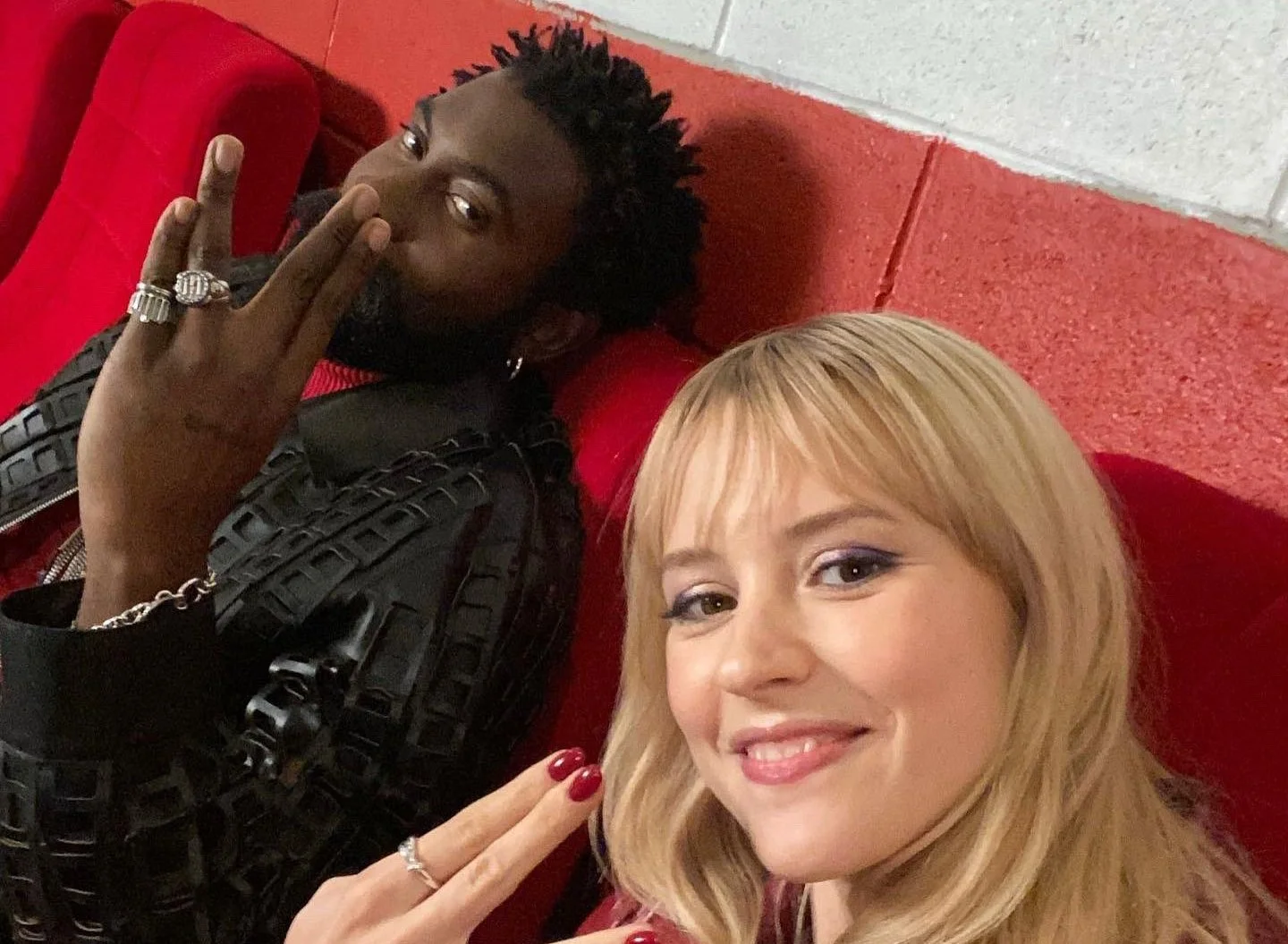
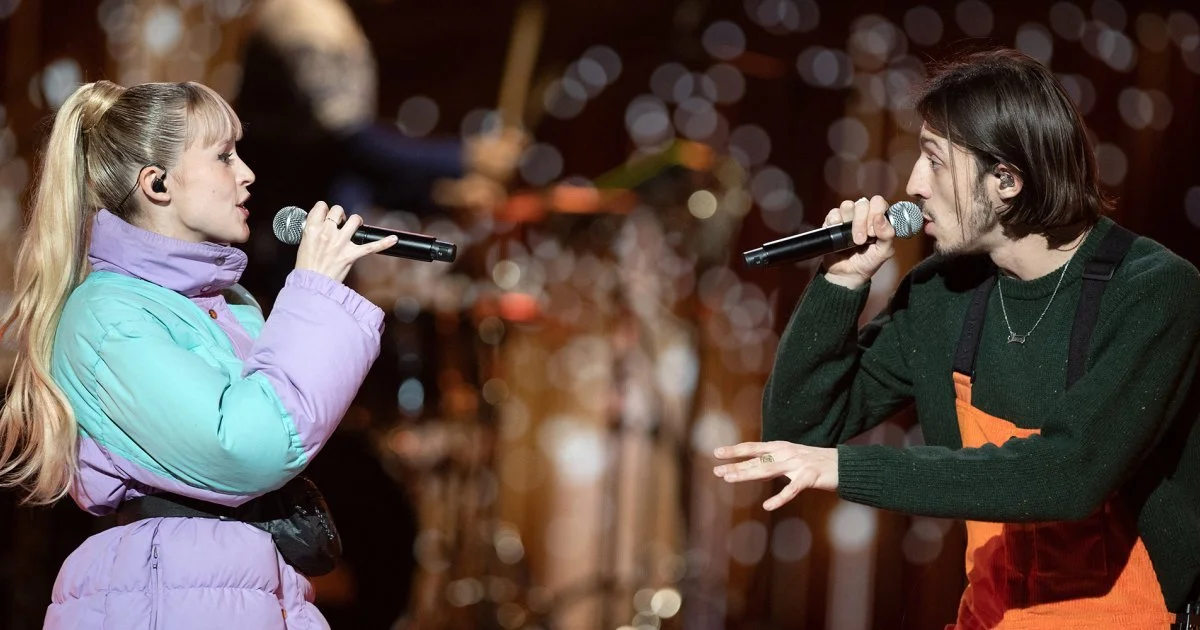
Angèle and Damso in 2022.
Sounds great on paper, doesn't it? There was just one problem: he was one of the top rappers in the French game – so this was akin to putting on a ballet show before a UFC match.
Performing the same sort of set she was doing at bars, boos from the Strasbourg crowd at the first show came in droves. It was the furthest thing from what they wanted to hear. People cheered when she announced she was about to play her last song.
Though there was some respect in the audience for her, what should've been an amazing moment for a small artist like Angèle turned into a nightmare. Both of Angèle's managers were at the Strasbourg gig. In Angèle, Sylvie recounts hearing this vitriol from the crowd: "I can hear people starting to scream [...] They're booing, like, they're calling her names. We were like 'Fuck.’ [We] looked at each other and said 'What were we thinking?'"
Eventually, in what must have felt like a lifetime for Angele, headliner Damso walks onto the stage. He completely flips the energy of the room, and the crowd is back on side!
Apparently, he was totally unaware of his opener's poor reception – though was eventually made aware of it after the show. On social media, he didn't stay silent about what had happened. He doubled down on her selection as support. He took to Instagram and personally endorsed Angèle to his huge follower base.
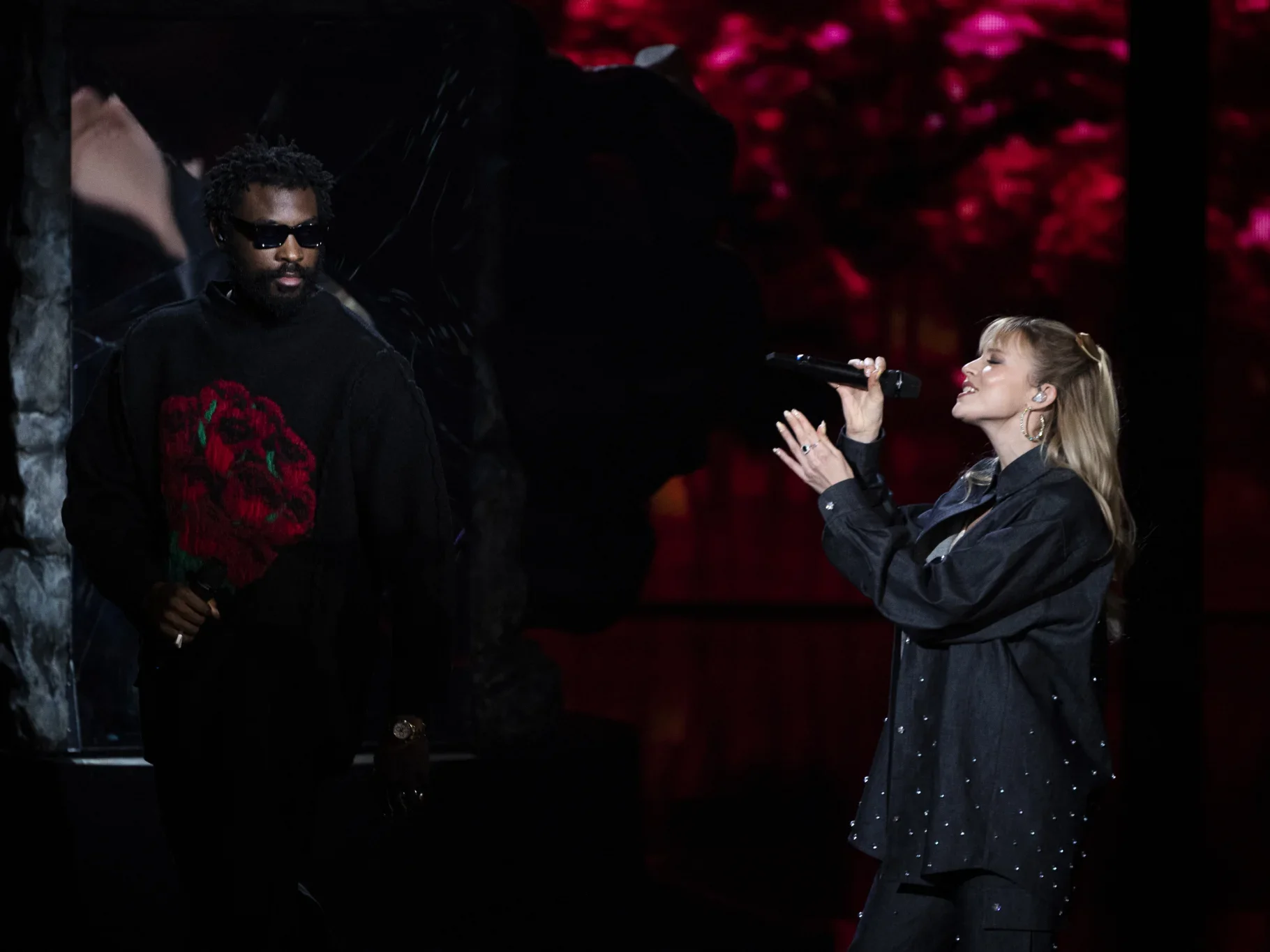
Angèle and Damso performing together in 2022.
As to why his team said yes to Angèle as a supporting act in the first place, Damso needed a keyboardist for his tour, which led to his tour producer contacting Nicolas. Said tour producer offered the keyboardist spot to Angèle. Instead of just going with that proposal, Nicolas pushed for more; he said the offer sounded great, but put forward the idea of her also opening the show. Damso's side were happy with this, so she was added to the bill. Although this sounds like quite a bold move to make, the main reason this got greenlighted was because Damso was not interested in having another rapper support him. He actually wanted someone like Angèle for his slate of tour shows: “If I like someone, I go for it [...] I'm just going for someone whose soul and energy I like,” said the rapper in Angèle. With this backing of Angèle, the hope was that the poor reception towards her would ease up overtime, and she was kept for the remaining Ipséité tour shows. Thankfully, said wishes became true, as Damso's endorsement post had done the trick. Crowds at the next lot of shows were much more accepting of his unorthodox choice of support – to the point where they were actually chanting Angèle’s name. When a man told them to support a female artist, they followed his lead.
In the end, Angèle had come through the other side of a hostile crowd's rain of arrows, and turned what could’ve been a disaster into a positive. The working relationship between the Angèle and Damso didn't dissipate after the tour, either. His support was shown to be genuine: in June 2018, Angèle featured on Damso’s track 'Silence,’ a year after the Ipséité tour. Then, in 2021, we got a rap feature from him for Angèle's Nonante Cinq track 'Demons!’
But the Damso incident wasn't even the worst Angèle would face that year.
For an upcoming issue of Playboy, Angèle was invited for an interview with its France division. According to her, they sold her the idea that they wanted to give her a platform to discuss feminism. Most importantly, it wouldn't be sexual. She agreed to do it, though worry seeps in. But – she goes ahead with the interview. After it was done, she felt it had gone well. Unfortunately, such feelings would change once the issue was published. The vision they sold to her was a lie.
“They didn't even write about the music I was doing, but just the fact that I was sexy”, she explained to Kim Willsher for The Guardian. The biggest frustration she had with Playboy, though, was what they used as the article's main photo. A few months prior, the singer was posing for a photoshoot. For one, she is pictured wearing bright red lipstick, with two peppers covering her naked breasts. Although she posed for the photo, it was ultimately decided that the image would never be used publicly, deeming it too seductive for her public image at the time. Playboy France had expressed an interest in using the photo – but Angèle pushed back.
They didn't care. Playboy France used it anyway. Angèle was mortified.
The Belgian describes, in her documentary, how she was “scared at that time to be sexualised against [her] will.” Something you can especially understand considering her young age. Through the publication's entrenched sleaziness, these worst fears came to life. She cried for a week in dismay.
But, once again, did she let it stop her? Now having two things thrown at her that would be career breakers for some? No – she fucking ploughed forward.

'La Loi de Murphy,’ her first single, was released before the year closed. And she would walk into 2018 with a viral hit, thanks to the song soaring in views on YouTube.
Heading further into 2018, this would also end up being the first single off her debut album: Brol. What is considered to be, even to this day, her magnum opus! We also see her address the Playboy situation. 'Balance ton quoi,’ a reference to France's version of the #MeToo movement, #BalanceTonPorc, was created as a response to the magazine breaking her trust. It would go on to be an even bigger hit than 'La Loi de Murphy' – especially in French-speaking feminist circles.
This doesn't mean Brol's post-release has been a completely smooth ride. To certain circles, its release, in particular 'Balance ton quoi,’ had backfired on Angèle – thanks to her brother. Roméo Elvis, Angèle’s older brother, had been labelled an up-and-coming star in the same French rap scene as Damso. Timing-wise, his career was already taking off before Angèle's early breakthroughs. Belgium's Wallonia region had his second album with Le Motel, Morale 2, in their top 10 charts in early 2017.
But then in 2020, during #MeToo's second wave in the COVID pandemic, an anonymous individual on Instagram made a damning post about Roméo. “[Roméo Elvis] sexually assaulted me #balancetonrappeur,” said the user, to open her allegation. They then go on to show screenshots of Roméo's post-incident messages to them. Archived by Radio France, we see him saying things such as “I want to apologise again for what happened, it was really messed up,” “I don't know what to tell you except I'm really ashamed,” and “[I] leave you the choice of speaking about it publicly.” The assault in question was non-consensual touching from the rapper at a clothing store in Brussels.
Angèle and her brother Roméo Elvis.
Following this public revelation, he took to Instagram to make an apology – though to what extent it is an apology is definitely open to interpretation. Roméo said he “became aware of having used [his] hands inappropriately on someone, believing that I was responding to an invitation that was not one,” and that he stopped what he was doing as soon as he realised that his actions were not reciprocated, framing it as more of a miscommunication and unintentional assault. We also saw the rapper express in those messages to the victim that he did not want his girlfriend to find out about it, before changing his tune to others finding out about the story.
Undeservedly though, it seemed like Angèle was facing the most amount of backlash in the fallout, not her brother. Social media saw a wave of angry posts and comments towards the singer, mostly centred around her song 'Balance ton quoi.’ Commentators at the time even pointed this out directly. Olivia Perce, for the Brussels Times, observed that Angele and Roméo's partner Lena had been the “main targets” of online vitriol around the case, while “the accused [had] mostly been spared.”
'Balance ton quoi' was not only about challenging forms of misogyny such as sexual harassment. The title in itself is about calling out those actions. Its resonance and reference to “#Balancetonporc” caused it to become adopted by that and other similar feminist movements.
After the allegation was made, Twitter and Instagram users showed disgust at Angèle not making an immediate response. Many were viewing it as hypocritical. What made it worse as well was that Brol, which the song comes from, also has the single she made with her brother. Amongst all of this, a parodic hashtag was born: “#Balancetonfrere” , translating to “Denounce your brother,” started being used, parodying 'Balance ton quoi'.
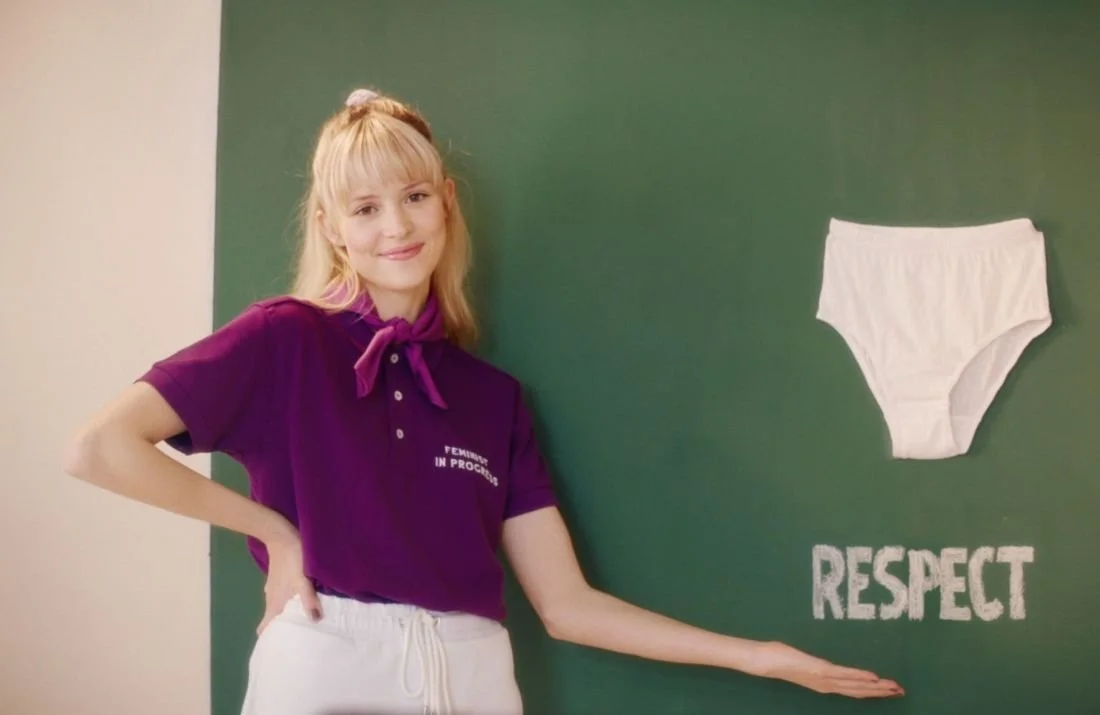
Angèle in the ‘Balance ton quoi’ music video in 2019.
Angèle did end up posting a response. One day after the allegation was made, she condemned his actions. The singer detailed how it “[goes] against my principles. This is all the more important as it involves someone close to me.”
Looking at this, it's reasonable to want to see a response from her about this. If you're someone who is advocating for calling out such harmful behaviour from men, it would be hypocritical if you then stayed silent once an allegation reached someone close to you. But in this case, the mentality of those criticising her was clearly more about jumping on the chance to discredit a feminist, with those same people not showing close to the same amount of anger towards the actual accused – her brother. In her Guardian interview, Angèle shares a similar sentiment, saying “I was angry about how people tried to make me responsible, who looked to blame someone female. To me, it was proof once again that, when we speak about feminism, people are afraid and they seek to discredit that fight.”
While diving into all of this, a recurring theme that stands out is the singer's interesting duality of confidence and anxiety. Through watching, we see Angèle's expressions of anxiety and sadness towards her life and career, but it's also matched with a unique sense of resilience. Angèle describes herself as “sensitive and anxious;” an individual who can really stress out when under pressure. Even her early days as a musician were filled with hesitancy. Her mental health would be tested as more opportunities were thrown her way.
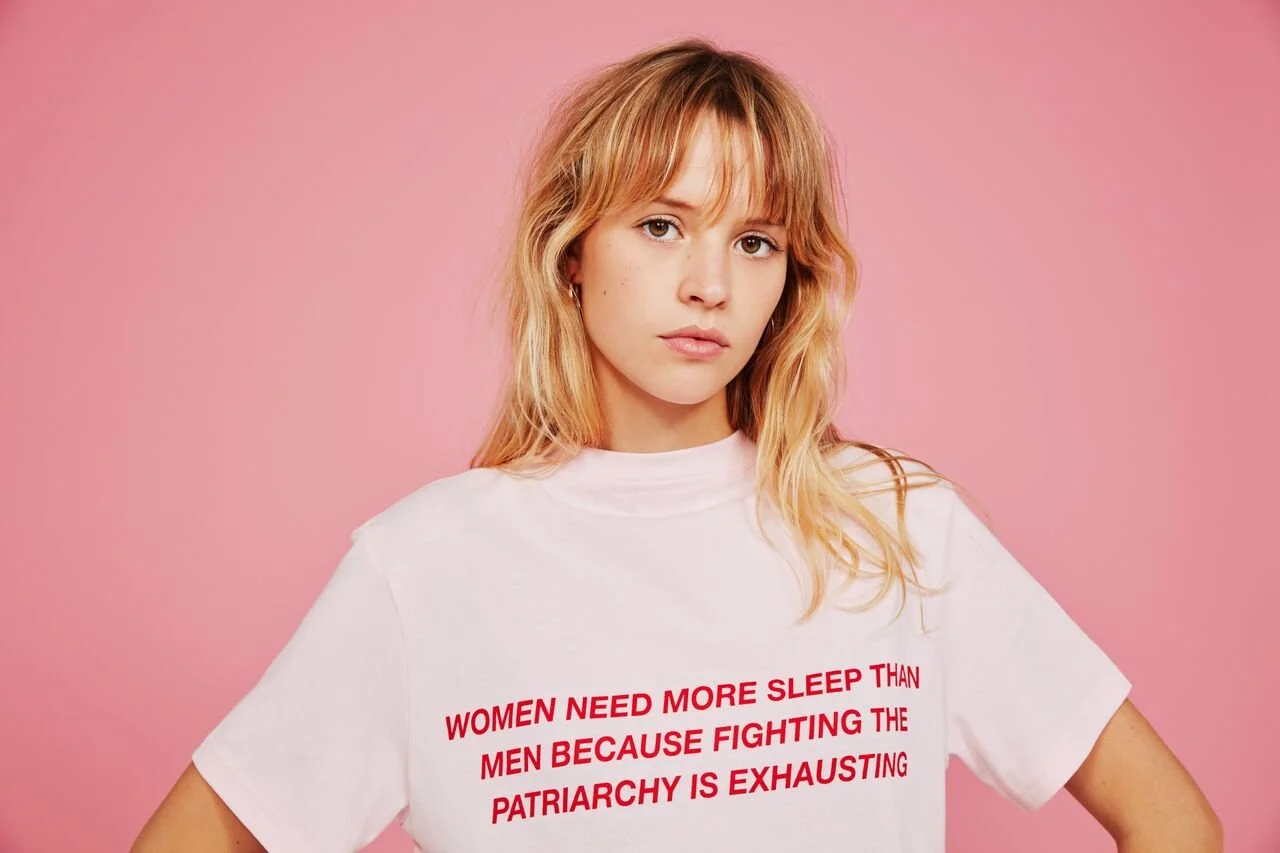
Angèle in the ‘La loi de murphy’ music video in 2017.
Back to late 2017. A few weeks after that night in Strasbourg, Angèle sent an apology email to Sylvie. This email, from its contents, gives us a clear-cut demonstration of the type of emotional turmoil and struggle she can find herself enveloped by:
On stage, I try to put on a front. I'm doing it because this is a huge opportunity. It opens doors. All of this is amazing. [...] When I say I can't complain, it's true. It wouldn't make sense to do so when we couldn't have hoped for better. But how come I haven't been able to sleep for a month. And that I've been having panic attacks and crying five times a day! I'm just sensitive and anxious [...] I need to face the consequences [of my career] [...] I'm starting to look back on what's been happening. I'm starting to get messages and offers. I have to face that alone. If it doesn't work out, that would've been my failure [...] I'm freaking out. I'm having panic attacks again. I know it's not going to change, and might even get worse.
After reading through this stark and honest email in Angèle, we see her laughing. Like one would for an embarrassing old text. Immediately though, it hard cuts to her, now with a slightly more somber tone, describing how she could still see herself sending something like that “today.”
This is how she processes her struggles. Within the email, in basically the same breath as outlining her serious breakdowns, Angèle is partly framing it as something that's just part of the process of being a rising musician. Her debrief presents this attitude of “what am I like, eh?”
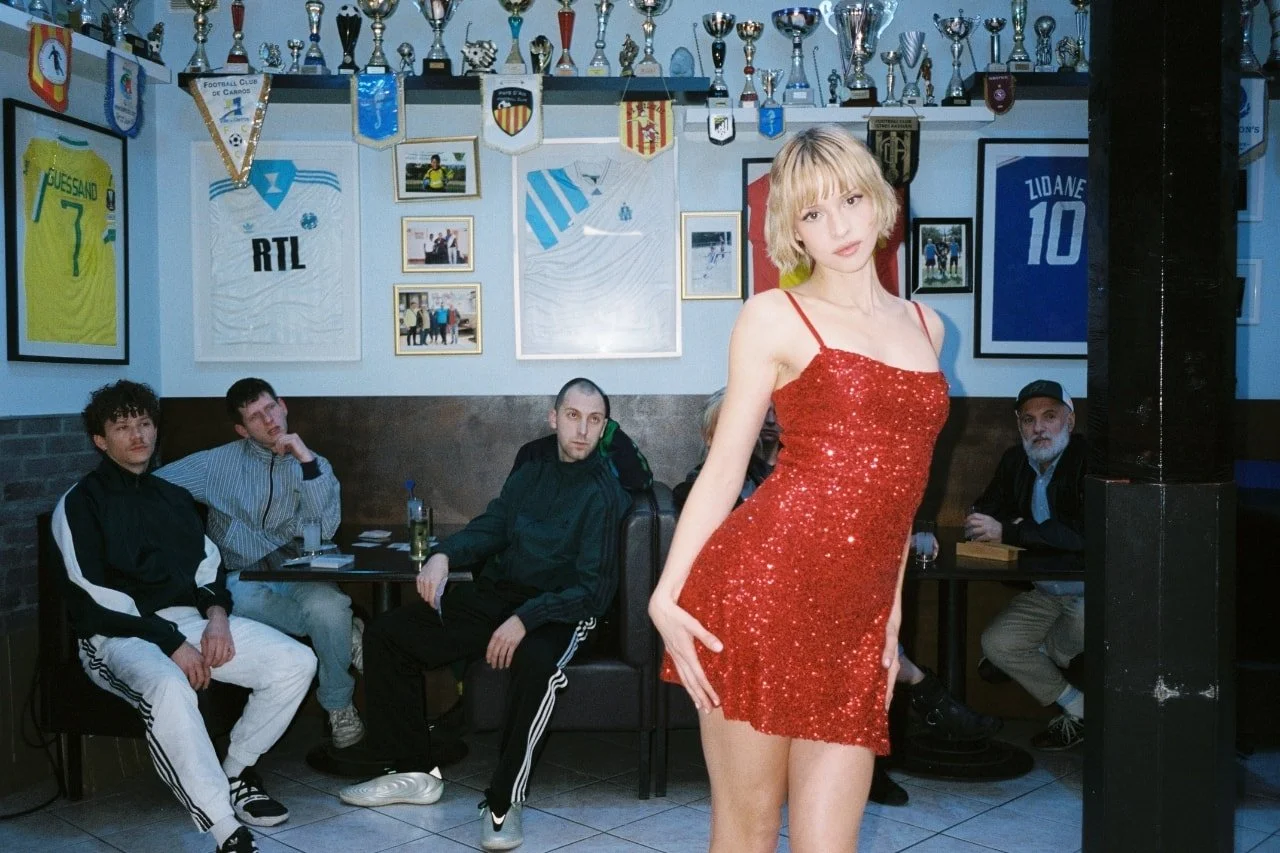
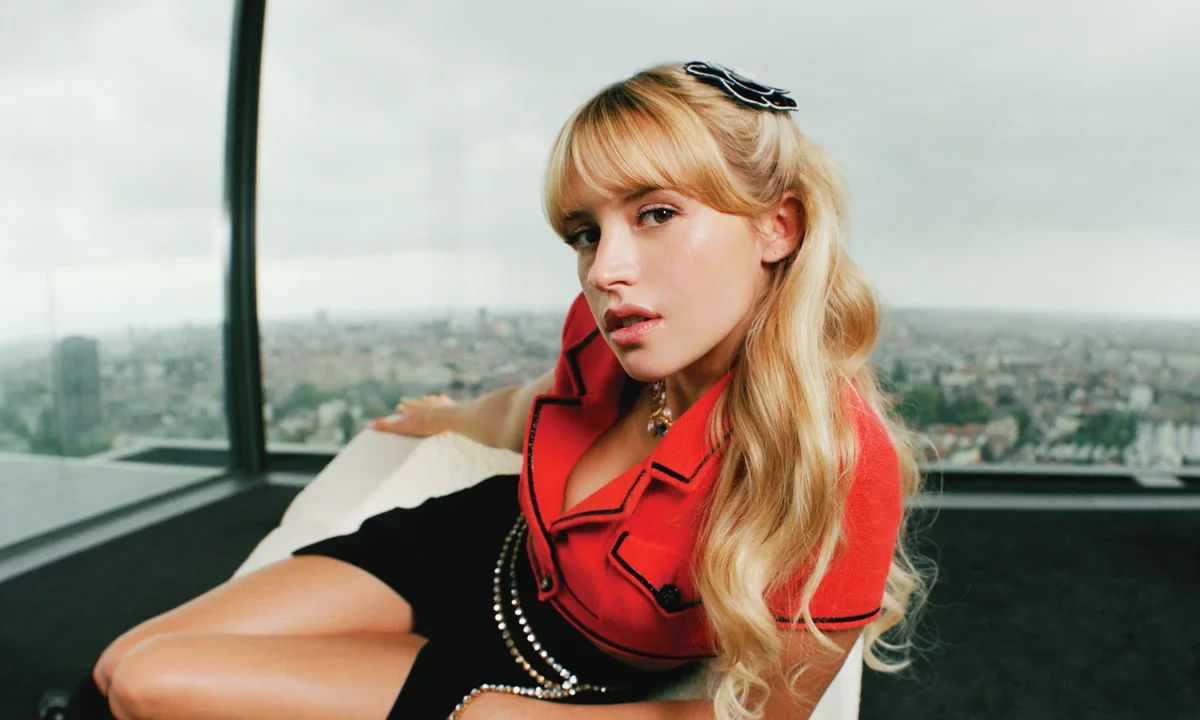
Angèle in 2026.
The archetype of the rising female musician is one that the industry both adores and does everything it can to destroy. And what I observe, Angèle’s attitude is one needs when you're a rising musician, especially in the pop space, to deal with the whirlwind you're sent down. Someone who is in touch with their emotions. These can then be used in your music, where others connect with its lyrics and tone. But you also need to be able to overcome them to push forward. Not buckle underneath them. It shows great strength. To me, such mental strength is inspiring. Is it healthy? That's a big debate in and of itself. With many case studies of Angèle’s contemporaries – Lola Young, Katseye's Sophia Laforteza – to choose from.
Luckily though, since 2020, things have looked brighter and more stable for Angèle. With her career and her personal life. The success of Nonante-cinq, a performance at the Olympics alongside the late Kavinsky, being able to (eventually) openly embrace her queerness. It's still been quite a bumpy, and tiring, journey – the singer even admitting to The Times that in 2024, she was planning to step away from public life for a while. But as she always does, she persevered. With her recently dropping her third album Instinct, her fans, myself included, are incredibly fortunate to still have her in the music world.

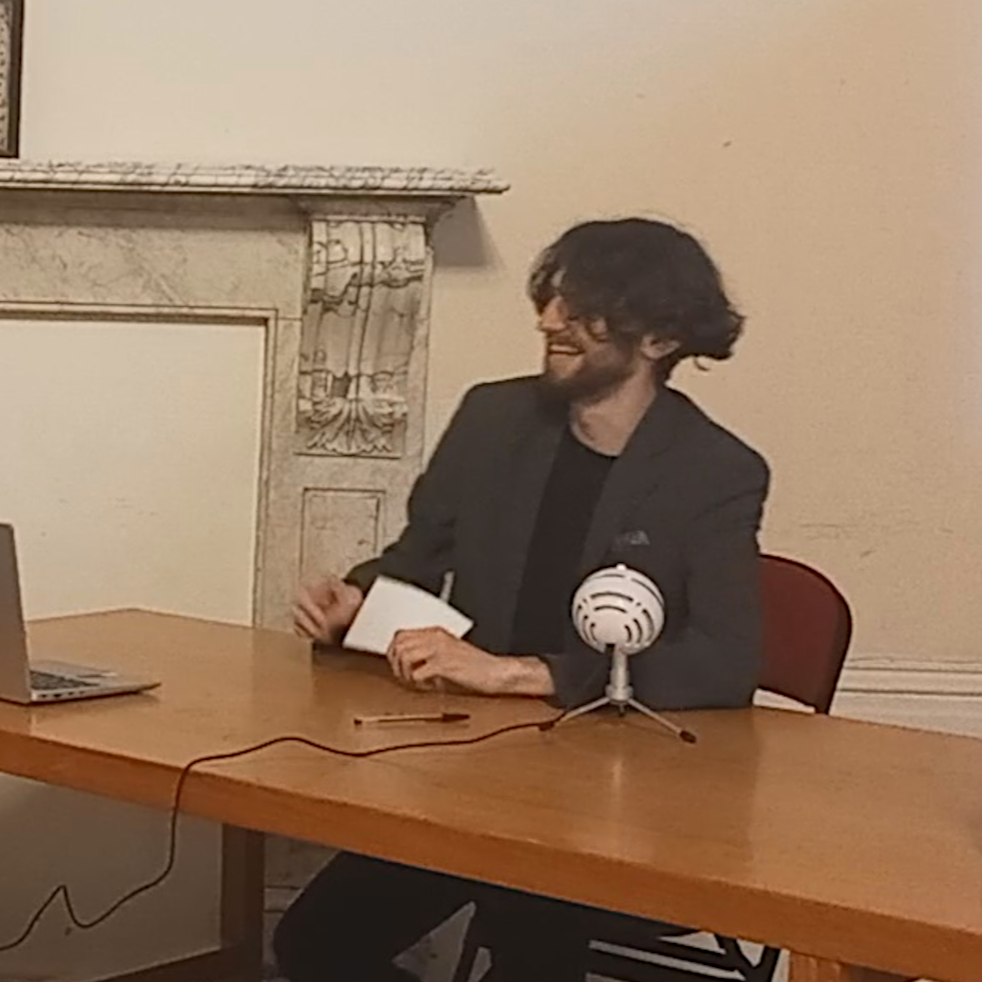
Bailey Ewers-Smith (he/they) is a podcaster and women/LGBTQ+-focused independent gig promoter.
Since 2022, they have hosted Joining Me Today, an audiovisual podcast. They have interviewed a wide variety of guests from the music industry, including Frank Turner, HotWax, TJ Smith, and IWABO's Mike Martin.
He founded his own gig promotion brand, JMT Live, dedicated to celebrating female and LGBTQ+ artists. Their first show was last November, headlined by Marshall Records signees Autumn Fires.
You can follow them on Instagram: @joiningmetodaypod
You can also subscribe to them on YouTube: @JoiningMeTodayPodcast