
Three Models On Visibility and Identity in the Age of the Algorithm
By Tenai Palomino
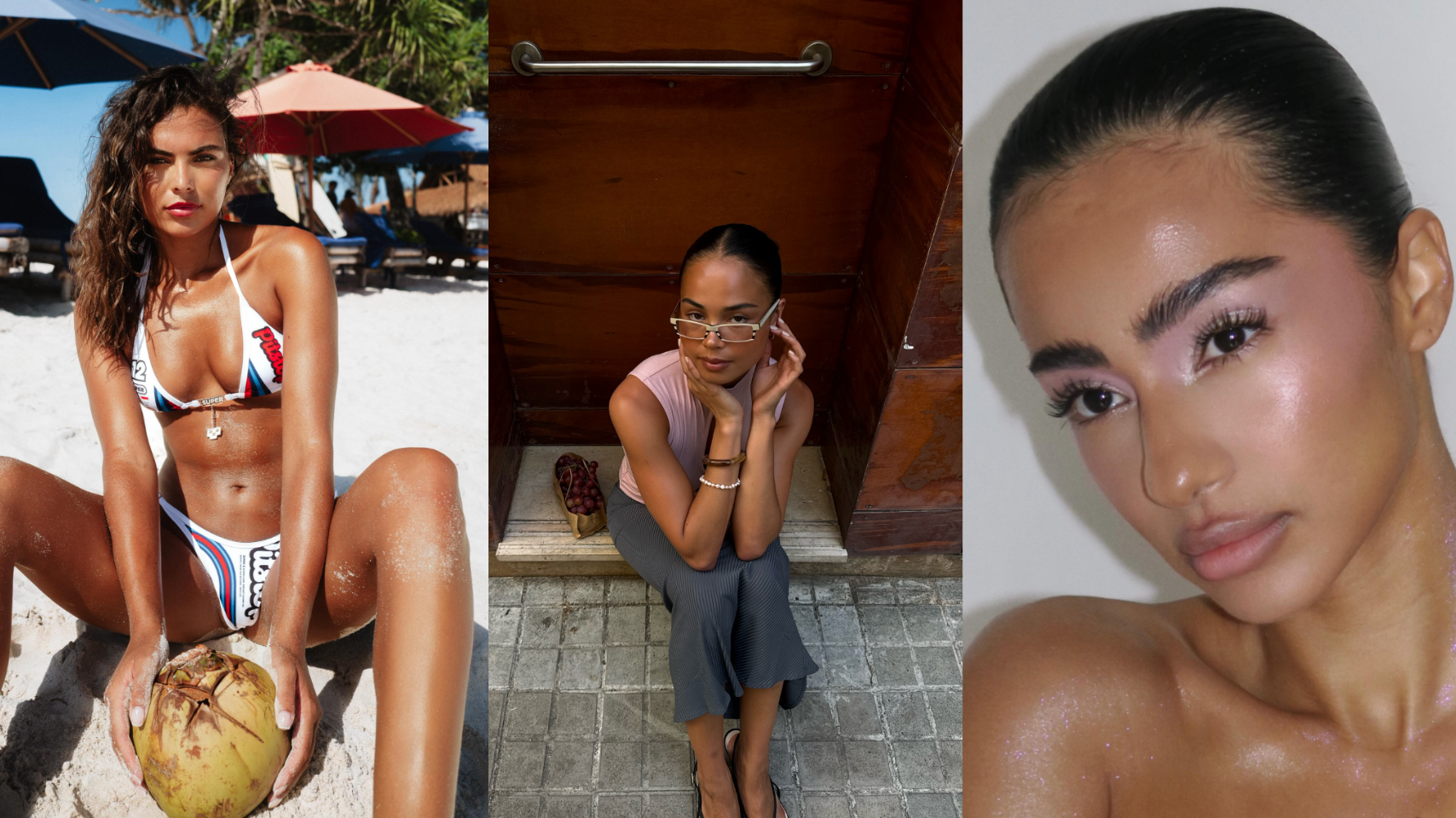
The body has become perhaps the most valuable currency on the internet. As AI is increasingly embedded in creative spaces and the algorithm continues to shape what we see, it’s no longer solely about being seen -- it’s about being selected.
Every interaction we make online feeds what we’ll see next, which is why our online worlds feel so personal, curated, and addictive.
While social media has undoubtedly fuelled greater representation across many industries, its ever-growing use raises new questions surrounding beauty and self-perception. And with AI-generated imagery becoming more common, what impact is this having on the modelling industry? How is this shaping beauty standards? Are the effects crossing over into time offline? What happens when your image becomes content?
Meet Raya, Sabrina, and Ebony, three commercial models opening up about the nuances of the modelling landscape in the age of the algorithm. Having worked with huge brands including ASOS, Gymshark, and Flannels, these women are no strangers to the highs, demands, and realities of the industry.
While modelling experiences massively vary across body types, backgrounds, and different sectors, this interview offers a snapshot into what the modelling world looks like in 2026. From algorithmic visibility and representation to GLP-1s and balancing online/offline identity, we explore how a new generation of models is navigating the profession in today’s digital culture.
Who do you think has the most control over your visibility? You, brands, or the algorithm?
Raya: I think the algorithm has the most control when it comes to visibility. This system decides which posts, reels, and stories appear on your screen. It doesn’t favour a specific brand or accounts with a high following, allowing anyone a chance to be seen by more people.
Ebony: I definitely think that the algorithm has the most control over visibility, focusing on factors such as what time you post, how many images are in one post and what type of content it is. It can be frustrating at times, as you never know how the algorithm really works, and Instagram does seem to be adding more and more features. But I believe as long as you are posting organic content that’s true to your brand/image, then that’s all you can do!
Sabrina: I think I’m the one with the most control over my visibility because I’m the one deciding whether I want to post myself online and be seen in the first place. But once I make that decision, the control becomes shared. I can choose what I post, and brands can amplify it, but the algorithm decides whether it actually travels. There’s still this invisible layer filtering who gets seen and who doesn’t. Over time, you might start adapting to it without fully realising.
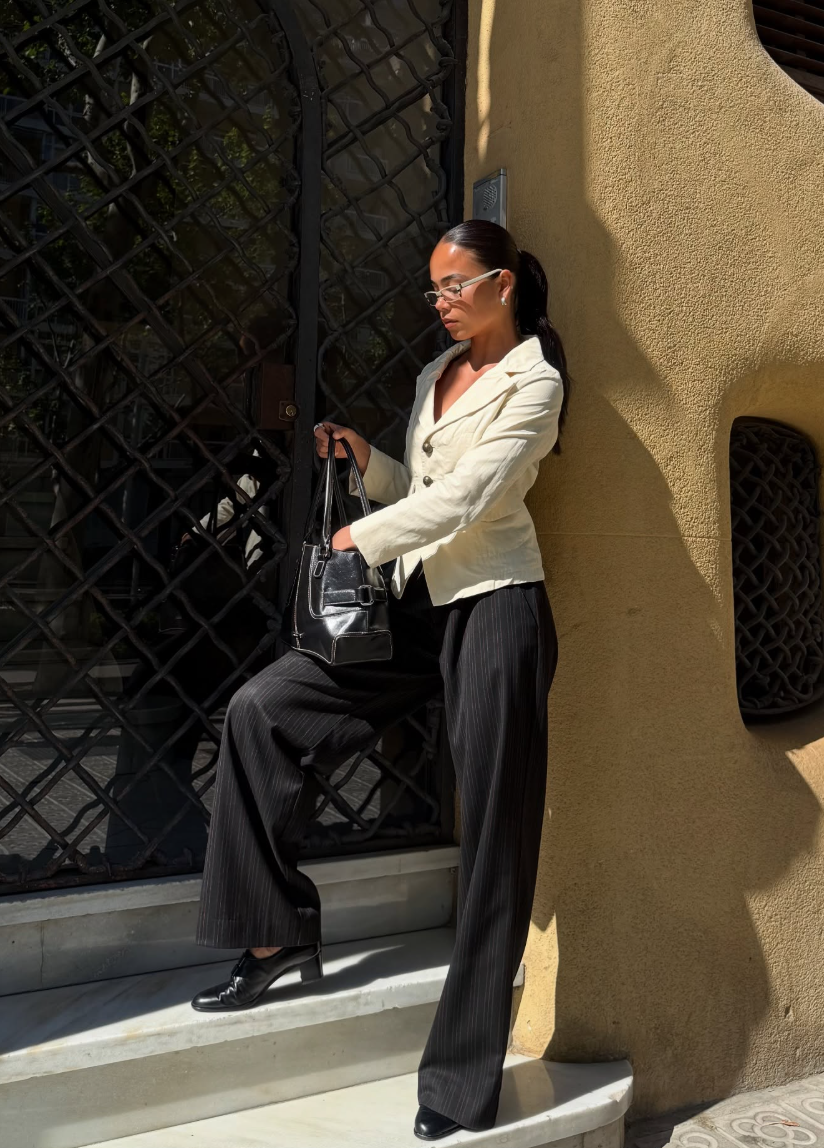
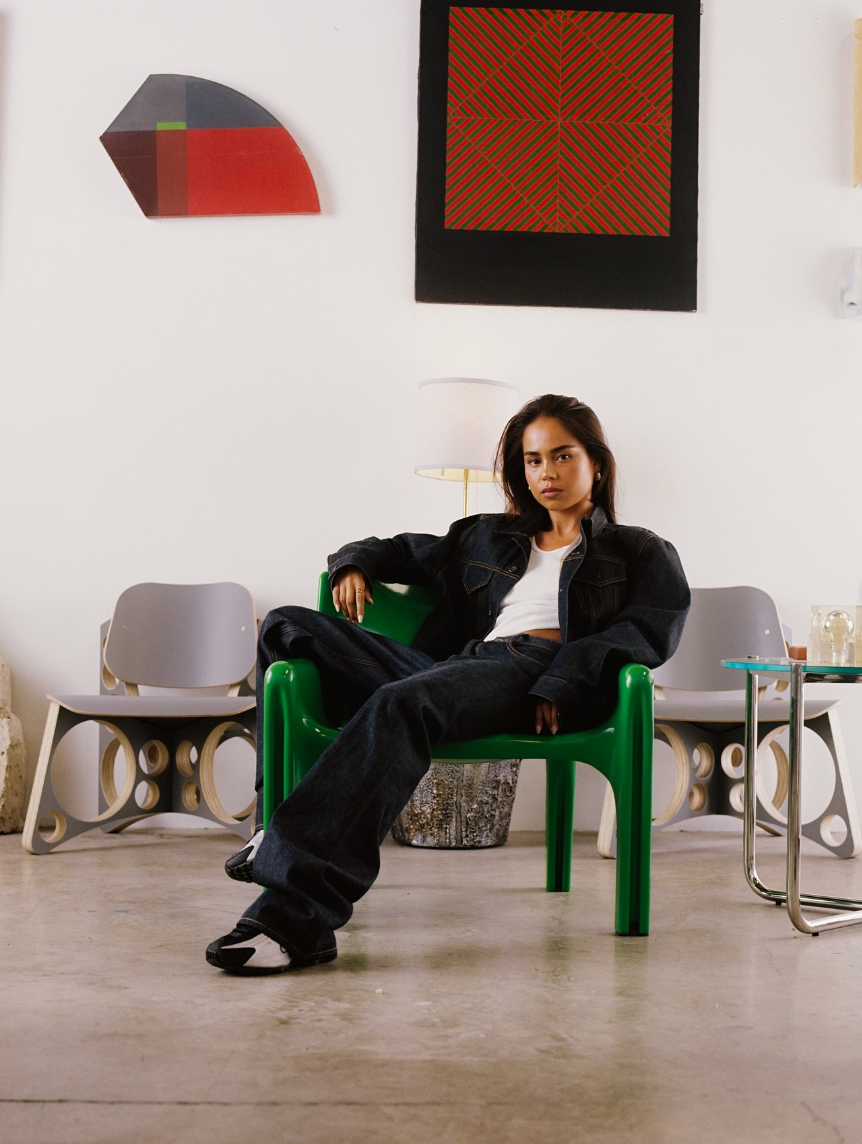
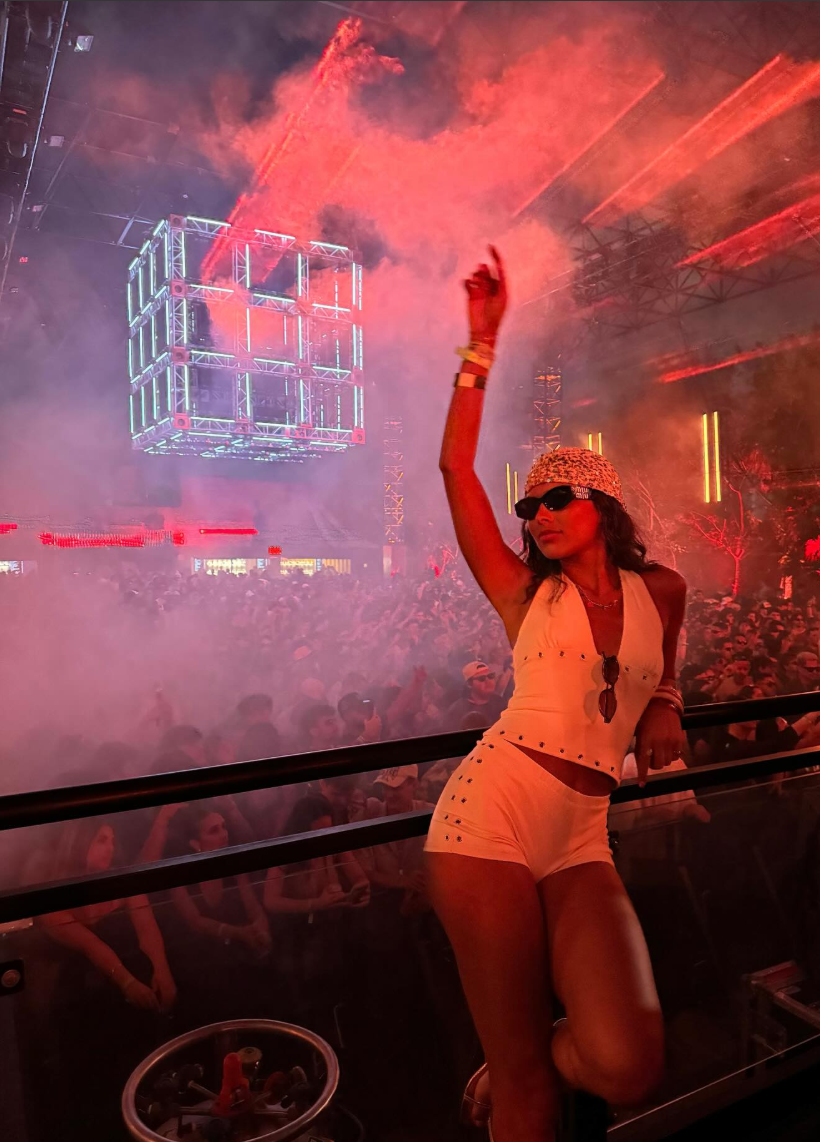
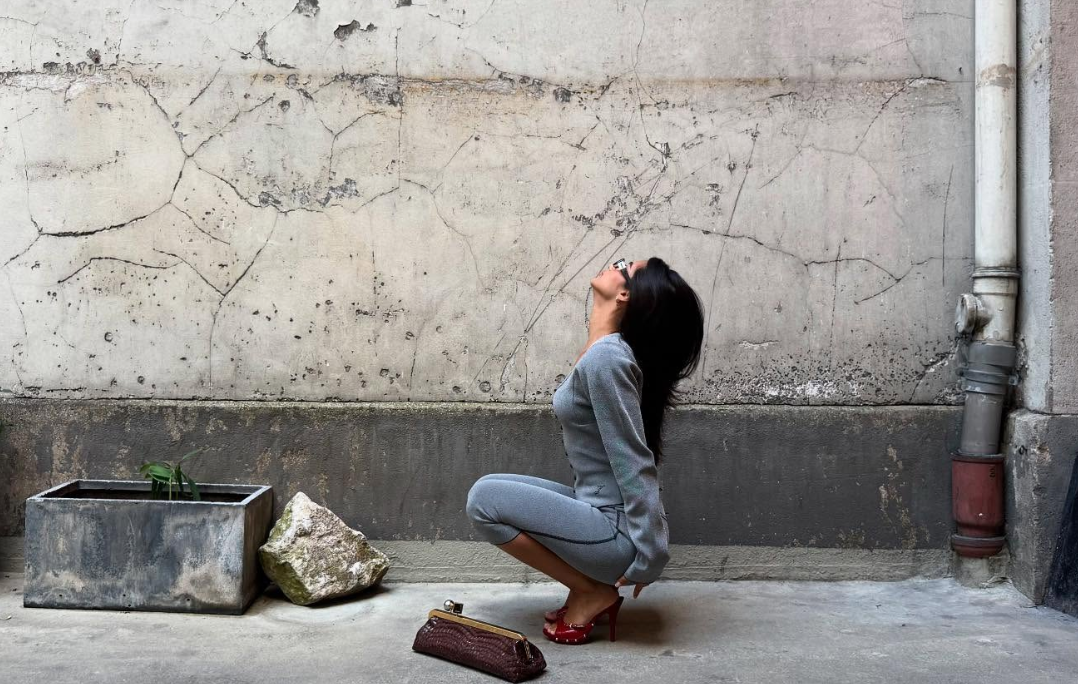
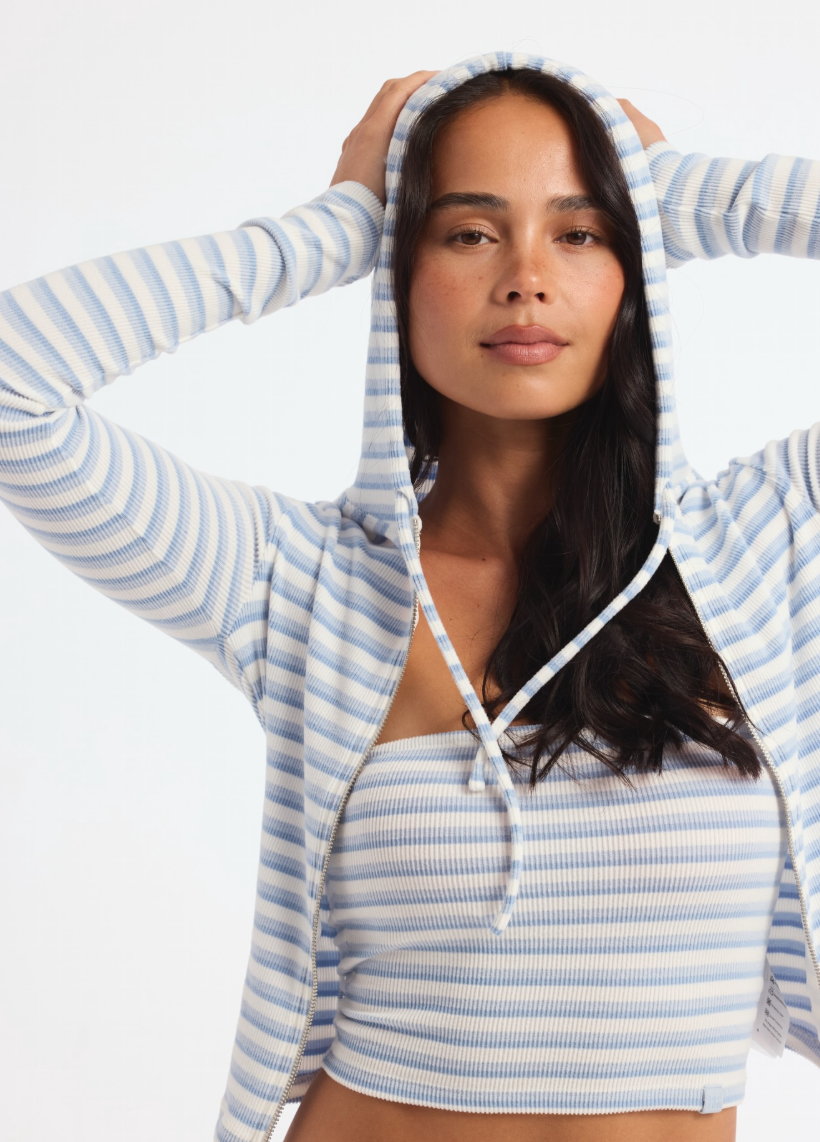
Raya Pascua @superrichkiids
Do you think the algorithm favours a certain body type or identity?
Raya: I believe more that the algorithm is shaped by what the individual interacts with rather than favouring a certain body type or identity. I click on a lot of fitness and wellness content, and because I engage with this sort of lifestyle, my explore page features a lot of fit-looking people and strong physiques.
Ebony: Not necessarily as I see many influencers who have all different body types, styles and niches. I think there’s a market for everybody. This is something I like about social media as it is a great way for people -- especially the younger generation -- to see a representation of themselves online.
Sabrina: I think the algorithm doesn’t openly “choose” a body type, but it does tend to amplify certain aesthetics more than others. Certain aesthetics, proportions, and even facial features tend to perform better because they’re already coded as “desirable” or “luxury.”
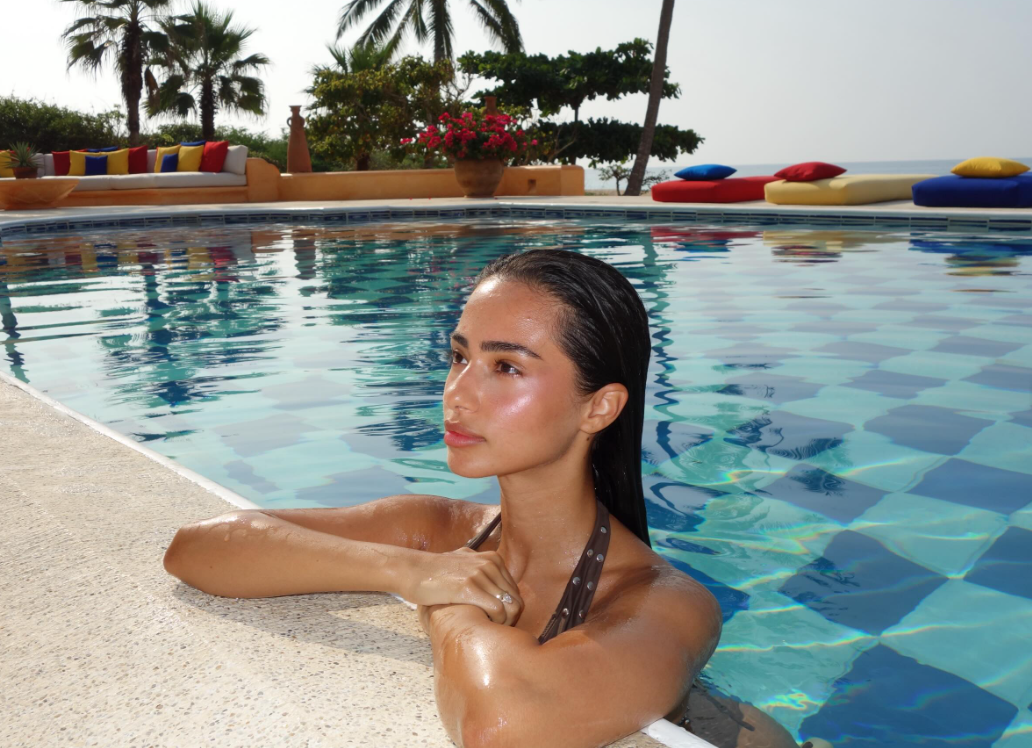
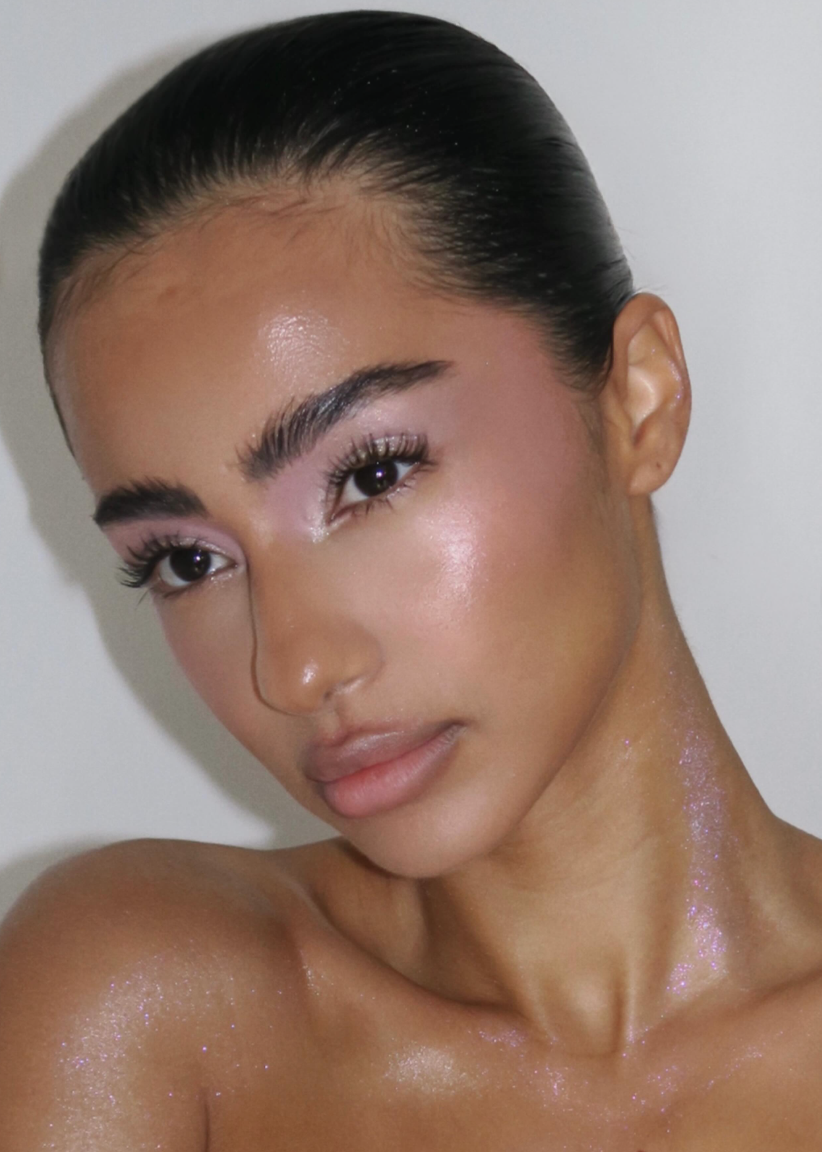
Ebony Hope @ebonyhopee
What kinds of images get the most visibility? And how does that shape what you choose to share online?
Raya: My posts that have the best reach tend to feature either educational or inspiring content. These videos are more likely to be saved or reposted, which then helps boost the post to be seen by more people.
Ebony: For me personally, I believe reels always have better visibility than post. Mose of the reels I post will be “day in the life”, GRWM [Get Ready with Me] and gym workouts. Everyone has their own niche, so this is just what works for me.
Sabrina: I think content that feels more revealing or intimate usually gets the most visibility — swimwear, lingerie, couple content, but also vacation and luxury lifestyle imagery. Those posts tend to perform much better because they trigger aspiration, fantasy, or intimacy very quickly online.
I think it inevitably affects what people choose to post, even subconsciously. You become aware of what gets rewarded by the algorithm and what doesn’t. There’s pressure to make your life, body, or relationships more “consumable” online if you want to stay visible.
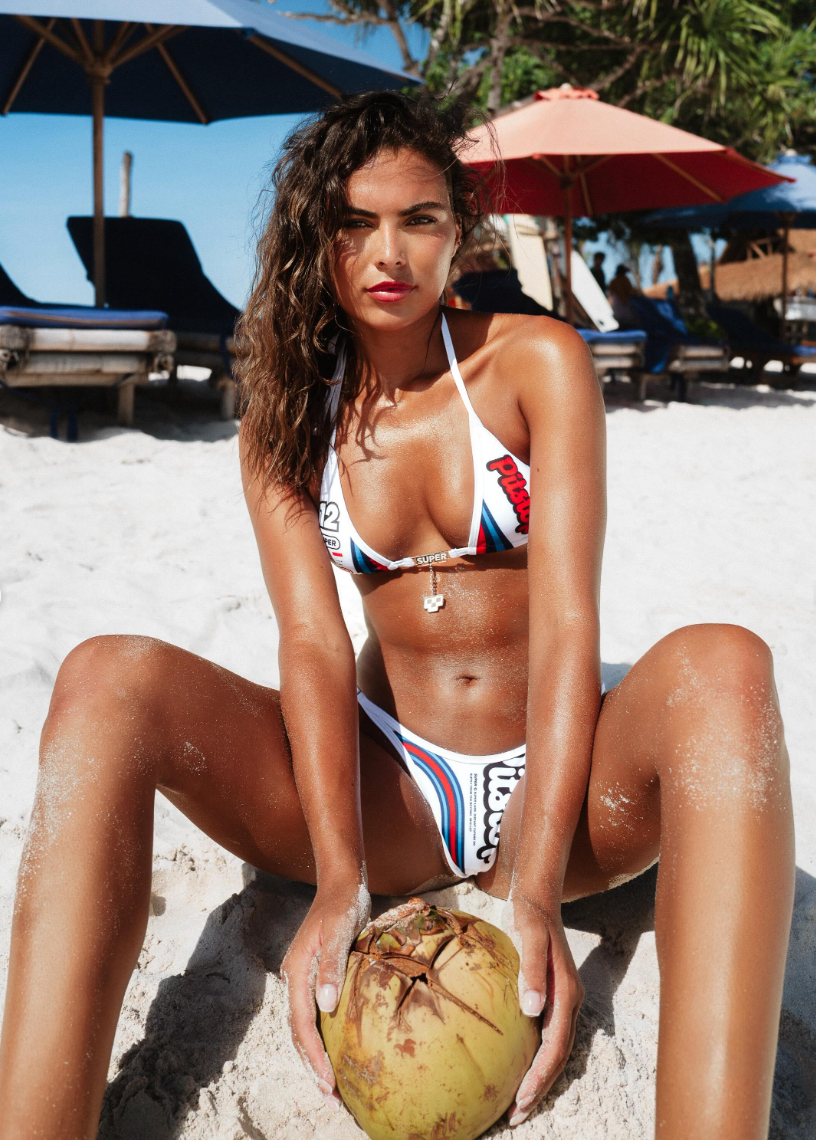
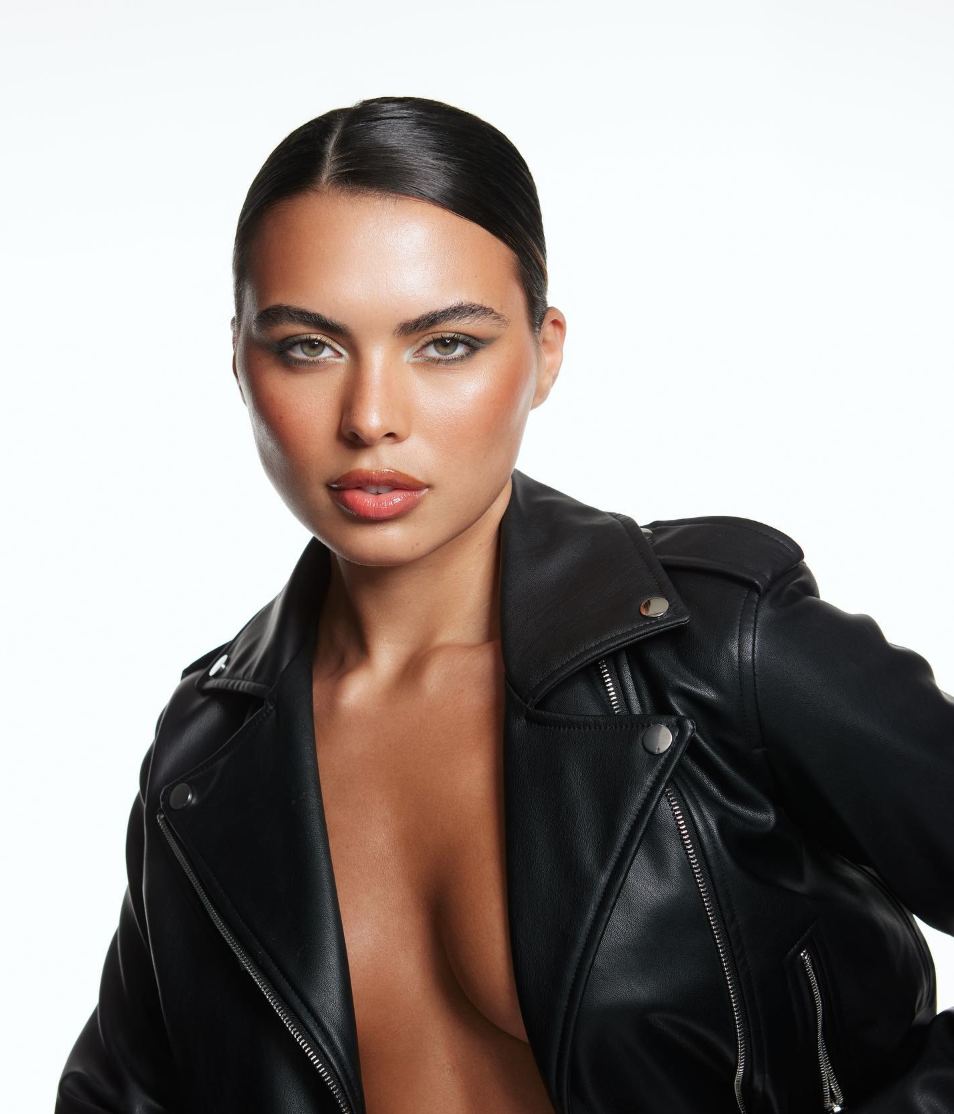
Sabrina Khouiel @sabrinak______
Do you ever find yourself thinking about your appearance through the lens of engagement or performance when offline?
Raya: When one of my videos was seen by over 200,000 people, I thought about how I may be viewed, and I felt self-conscious about what people may comment on my page. It was weird because I was excited to see so many people engaging with my content, but I was also conscious of what was going to be said about it.
Ebony: For me personally, no, as I’m quite a confident person. I don’t let social media affect my self-esteem; however, I can see how other people, especially the younger generation can be affected by comparing their worth to the amount of likes a photo gets. This is why I think that there should be a law that only allows people over the age of 16 to use social media, as it can be really harmful to one’s mental health.
Sabrina: My work is divided between modelling and social media/influencing, so there’s a strong sense of pressure and awareness of how I’m perceived. I feel a constant need to look “perfect” — paying attention to my weight, posture, skin, hair, everything. My appearance is a big part of my work and how people read me online. But when I’m offline, I don’t want to constantly think about my appearance. I try to disconnect from that pressure and just exist without analysing how I look all the time.
Have trends like GLP-1s affected conversations around body image in modelling and online culture?
Raya: I do believe body image in modelling has got better in ways, as the industry is more inclusive. However, these drugs feel like a complete U-turn on the progress the industry has made so far. Models that are already thin and healthy can use drugs like these to get thinner. When this is visible to viewers it can influence their views on their own bodies, making it hard for anyone to be happy with how they are naturally.
Ebony: I think the online culture has definitely been affected by weight loss drugs especially considering they are so easily accessible. However, in the modelling world, I don’t think it’s had an impact. Luckily over the past few years, the industry has become more inclusive of different body shapes and sizes, which is amazing, so I don’t think weight loss drugs will affect this. We are well past the heroin chic look!
Sabrina: I think the pressure around body image has always been there in modelling and online culture — it didn’t start with GLP-1s. The expectation to be thin and maintain a certain look has existed for a long time. What has changed is that GLP-1s have intensified the conversation around it. They’ve made weight loss feel more immediate and accessible in the public discussion, which can add another layer of pressure on top of what was already there. In a way, it just reinforces existing standards rather than creating them.
Do you think the rise of AI-imagery is changing what models are expected to look like?
Raya: Models can now be given the opportunity to make money by selling their likeness to brands to use for their AI model. So no, I don’t believe that AI-imagery changes expectations to what we are supposed to look like because we are what AI get their inspiration from!
Ebony: No, I don’t think it’s changing the expectations of the way models are supposed to look, as I genuinely believe AI models do not look as good as a real-life model on set. Unfortunately, AI is being used more and more by brands, as it’s cheaper for them to use than to hire models. However, for me personally, I think it looks unnatural, on top of that the customer cannot see how the clothing fits as it’s a computer-generated image. I believe that AI models will not take over the industry. You can’t beat the real deal!
Sabrina: I don’t necessarily think AI imagery is creating completely new standards, because a lot of the AI visuals are actually built from existing beauty ideals — often based on the same types of models that already get booked for jobs. In that sense, it feels more like AI is reflecting and amplifying what is already considered desirable in the industry, rather than inventing something entirely new. But the difference is that AI pushes it into an even more perfected and uniform version, which can still influence expectations over time.
Have you had to set any boundaries to protect your sense of self?
Raya: Changing my appearance is a boundary I have set, along with not comparing myself to others. It can be easy to get caught up in beauty trends and cosmetic procedures. I don’t let myself think about any of it. It’s important to me to keep your uniqueness!
Sabrina: I have had to set boundaries to protect my sense of self, especially because my work exists between modelling and social media. I’ve actually gone through a phase where I was sharing almost every moment of my life online, and I realised it wasn’t a good idea for me personally. People tend to have an opinion on everything, and over time that can really affect you and get into your head.
It can also make you lose yourself in the idea of performance, where you start living more for how things look online rather than how they actually feel in real life. Now I prefer to keep a lot more of my life private and experience moments for myself instead of constantly thinking about how they will be perceived or posted.
Do you think the internet has allowed you to share parts of your identity that the traditional modelling industry wouldn’t?
Raya: The internet is a great platform for me to be able to share behind-the-scenes of the modelling world and more of my life. It allows me to take control of how I am seen, posting pictures that I like and that show my personality. My posts show my work and different parts of the job, but it also shows how I keep fit and what I like to do outside of work. Additionally, my social media is a second portfolio, for potential clients to see and to gauge whether I am a good fit to work with.
Ebony: Yes definitely. Usually when I go to shoots, it’s generally still photos with minimal facial expressions, depending on which brand I’m shooting for. On the other hand, my social media has allowed me to share my interests, hobbies and experiences with the world. I mainly use Instagram and TikTok where I share my Day in the Life, my gym workouts and come with me videos -- it’s like my digital diary.
Sabrina: Yes, I think the internet gives more freedom to show who you are beyond just your look. In traditional modelling, you’re often very limited — it’s mostly about how you fit a certain image or brief. On social media, I can show more of my personality, my lifestyle, and my aesthetic in a way that feels more personal. It gives models more control over their narrative, even if it’s still influenced by algorithms and trends.
What does success look like now compared to before social media affected modelling?
Raya: Success means different things to everyone. Models can now have a career through their own social media and earn money ‘modelling’ brands themselves. This is different to how it was before where you would have to book a big job by a brand to be seen. Today you can earn a name for yourself and grow a following just through your online profile.
Ebony: This is such an interesting question as I feel like social media has played a huge role in how success is perceived. You will get models who have worked for the biggest brands in the game and are booked and busy, but because they have a low following on social media, people may think they aren’t as successful as the ones who have a higher following count. I think it also depends on what the individual’s goals are in the industry.
For me personally, I see social media as a fun way to express myself, however others use it as their main source of income. My goal is to model for the biggest brands in the world and to me that is success -- not how many views I get on Instagram. But everyone is different!
Sabrina: Before social media, success in modelling felt more traditional — campaigns, magazines, runway, working with big brands. It was more structured and based on agencies and castings. Now it feels much more layered. Success can also mean visibility online, engagement, and the ability to turn your personal image into a brand and/or opportunities. Sometimes a post or your online presence can create just as many opportunities as a traditional job, which changes the whole definition of what it means to “make it.”
What do you want people to understand about the modelling industry that isn’t visible online?
Raya: I want people to understand that modelling can be a full-time job and it’s not always as glamorous as it's made out to be. It’s a hard industry with a lot of criticism, a lot of travelling, it can be a lot of “they’ve gone with a different model” rather than “you’ve got the life-changing campaign!” There are years of work behind the photos you see, and despite how they are presented online, it’s not as easy as it looks!
Ebony: One thing I would like people to understand is that modelling is definitely not just as simple as getting our photos taken. It’s not all glitz and glam. People don’t see the long working hours, early call times, the endless outfit changes, oh and let’s not forget the constant travelling. Don’t get me wrong, I absolutely love my job and I’m so lucky to be able to do something that I enjoy. But there are also elements to modelling that are tiresome.
Also, there are times when your self-esteem can be affected, for instance, not getting booked after attending castings. However, what I’ve come to learn is that it’s not necessarily personal. You just might not fit the vibe they are going for, which is something you have to accept in this industry.
Sabrina: I think people often only see the final result — the images, the campaigns, the polished version of everything. What isn’t visible is how much uncertainty, rejection, and comparison are part of the process. There’s also a lot of pressure behind-the-scenes to constantly adapt and stay relevant. And I don’t think people really see the unhealthier side of the industry, or how much it can affect you mentally over time. It can be very psychologically intense, even if it looks very idealised from the outside.

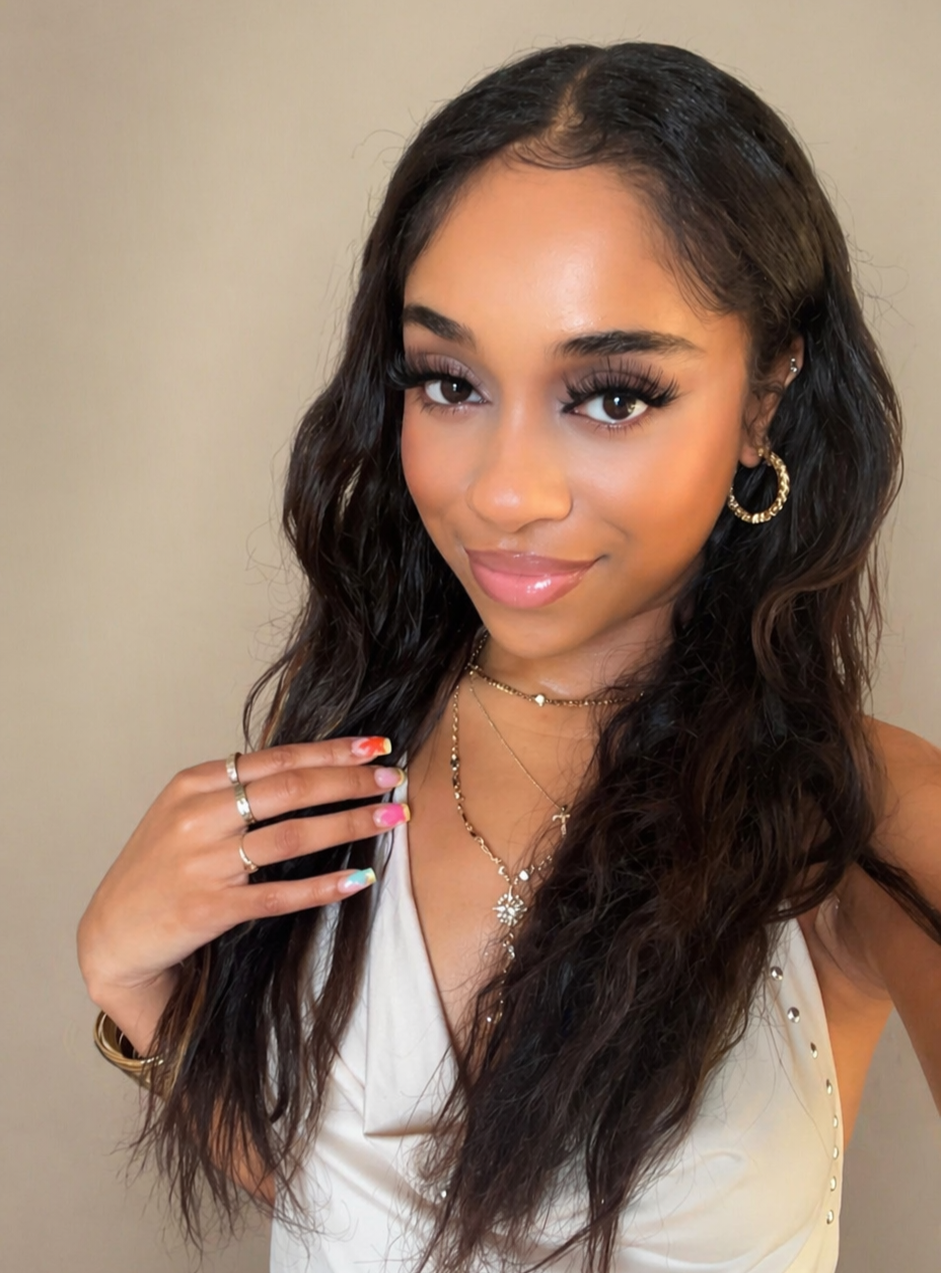
Tenai (pronounced te-nay) Palomino (she/her) is a West Midlands-born, London-based writer, editor, and self-proclaimed pop culture fiend.
With international journalism experience and a background in fashion and culture writing, she has written extensively on emerging creatives and ideas that fuel our ever-changing cultural landscape.
Having interviewed a wide range of artists, Tenai is drawn to deepening her understanding of the world through the creatives contributing to it. She continues to explore how entertainment and the media influence the way we connect and engage, while balancing her love for the latest horror releases and throwback reality TV.