
By Jenny Smart
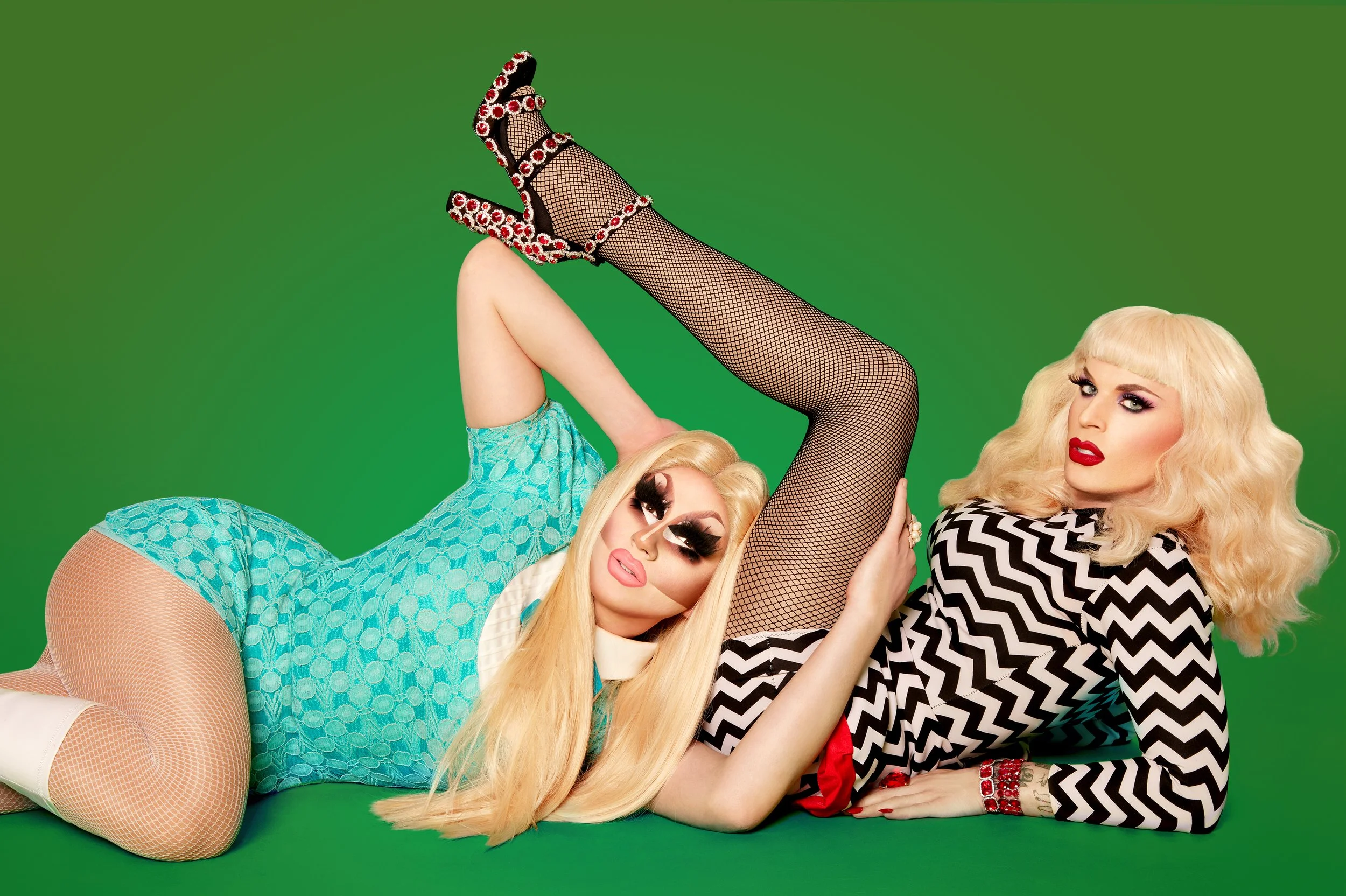
Drag artistry challenges societal gender conventions, and through this, is a form of rebellion against authority. The Oxford English Dictionary defines both drag queens and kings as “exaggerated, or parodic”. The word “parodic” highlights how drag mocks and disrupts gender stereotypes.
Historically, drag has always managed to rebel against the status quo. In the 19th and 20th centuries, there were anti-crossdressing laws in many Western countries, but drag artists defied these by continuing to express themselves. The Stonewall Riots played a pivotal role in this as they fought back against the police. These riots were a turning point for LGBTQIA+ activism and drag artists were a key force in this political movement. The historical context of drag highlights the roots of its rebelliousness, standing up against oppressive anti-cross dressing laws, and still manages to challenge similar forms of censorship today.
Drag is also rebellious as it challenges authority with the use of satire and parody, often mocking figures of authority and traditional ideologies. Mainstream platforms like RuPaul’s Drag Race provided visibility for marginalised voices, allowing contestants to have a platform to voice voting rights and political activism. On Jeremy Hobson’s Here and Now podcast, Sasha Velour, RuPaul’s Drag Race Season 9 winner, argues drag should be understood as a “political and historical art form.” Through humour and exaggeration, drag highlights the absurdity of rigid gender norms.
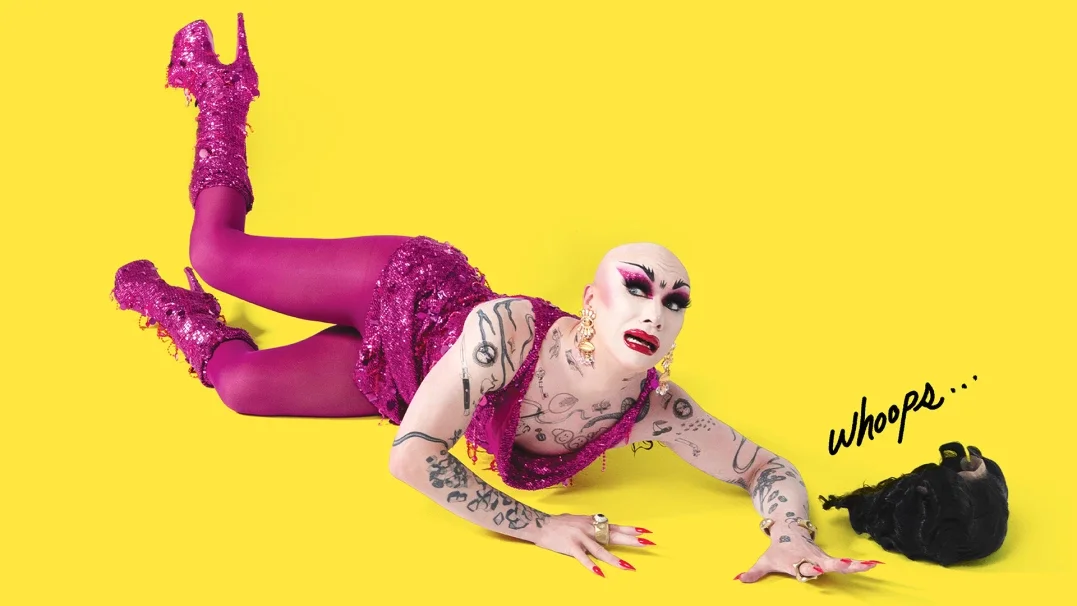
The playful and camp nature of drag is also a form of defiance. The drag queen Trixie Mattel uses hyper-feminised aesthetics to ridicule and scrutinise sexist expectations within society, transforming feminine presentation from a form of submission to an act of rebellion and empowerment. This representation of femininity exposes the performativity and artificialness of gender. Drag uses the presentation of femininity as a weapon against patriarchal norms.
In contemporary contexts, drag continues to be an act of rebellion as it resists anti-LGBTQIA+ legislation and conservative ideals. For example, ‘Drag Queen Story Hours’ challenges traditional notions that drag artists and queer identities should be restricted to adult environments, as they host events for children in safe educational spaces. Despite controversy, it represents LGBTQIA+ people and gender diversity as part of the fabric of society. Additionally, drag artistry in the digital age challenges gender norms globally with the use of social media, promoting visibility and education.
Drag is also a form of rebellion as it overlooks race, class, and sexuality, and with this, it becomes an act of rebelling against broader systems of oppression. Drag has the ability to empower audiences and its performers as it gives them authority over their own identity, allowing them to have control of how they are seen and perceived. This is an act of rebellion against the part of society that both tries to disenfranchise them and define them differently. Through their performances, be it comedy or dance, drag artists make a statement in front of an audience to bring forward these issues of race, class and sexuality in mainstream society, providing a rebellious undertone by critiquing varying forms of oppression.
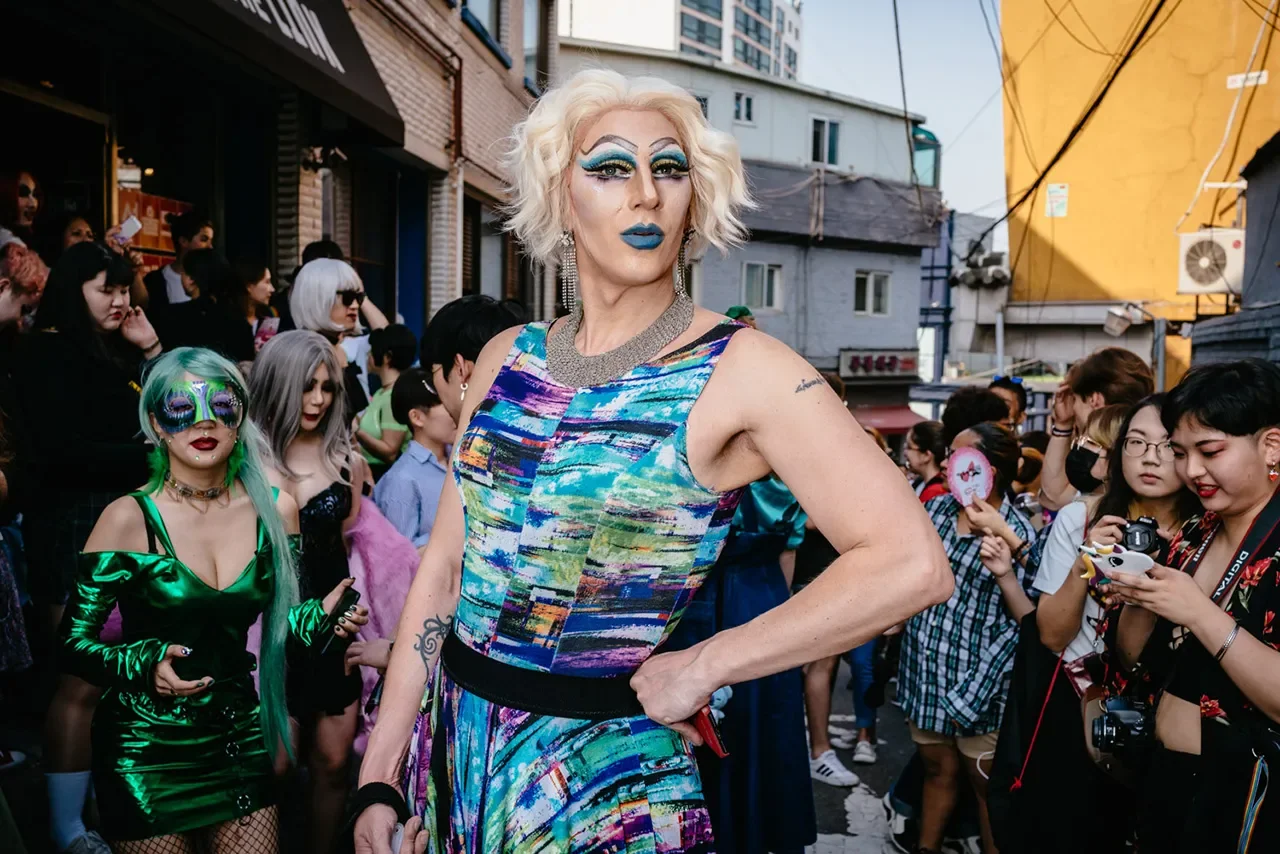
Seoul Drag Parade is important in South Korea because of the country’s conservative societal structures. There is a lack of LGBTQIA+ visibility and strong traditional gender norms expected there. So, the parade there isn’t just a celebration but a political act against these conservative ideals. Seoul Drag Parade is a collective statement of rebelling against mainstream South Korean attitudes towards LGBTQIA+ visibility and rights. Drag is a global political art form, as it manages to disrupt normative beauty standards with the use of grotesque and monstrous imagery.
Drag also uses visual style to rebel against authority and the status quo through the use of fashion, makeup and gestures as tools of nonconformity. Divine, a drag icon in Western culture, is a key example to this argument as she became a symbol of rebellion through John Waters films, such as Pink Flamingos. Her outrageous performances satirised heteronormativity and bourgeois society, deliberately shocking those audiences as a political weapon.
Looking at drag through a theoretical lens, it is a form of embodied disobedience. As Judith Butler explains, the concept of gender performativity suggests that gender is shaped through society’s expectations of how each gender should act. Drag artists parodying these gender norms highlight this by showing that people can convincingly play the opposite gender. Within drag performances, there are often hyper-feminine, hyper-masculine or androgynous characters which challenge the ideology of gender aligning with biological sex. Drag doesn’t just mimic stereotypes but reshapes them, which in turn invents a space for people who don’t conform to the female-male binary.

By reinventing the ideology of gender, cis-normative structures are deconstructed, rebelling against the idea of gender having to align with sex assigned at birth. This causes drag to be an act of embodied disobedience as it refuses to follow traditions, exposing the ridiculousness of gender and biological sex having to be the same. Through this, drag acts a form of resistance and expands the idea of gender and identity in society. Drag can be seen as politically threatening as it presents gender as a performance rather than truth, destabilising our social binary.
Drag ultimately is a combination of entertainment and rebellion and gives a voice to the oppressed. Drag has historically remained underground, opposing authority structures, repressive systems, and social standards, as well as its contemporary activism through ‘Drag Queen Story Hours’ and drag communities on social media. Drag is an act of embodied disobedience through the exaggerated and satirical style that highlights the artificiality of gender expectations and provides an opportunity for people to regain their power and rebel against conventional gender norms.
Drag is an authentic and courageous depiction of disobedience, rebellion, and societal change. It is a cultural, political, and social movement that demands the right to exist, making it more than pure entertainment. Drag artistry will continue to develop, provoke, and resist oppression, as it has done throughout history.

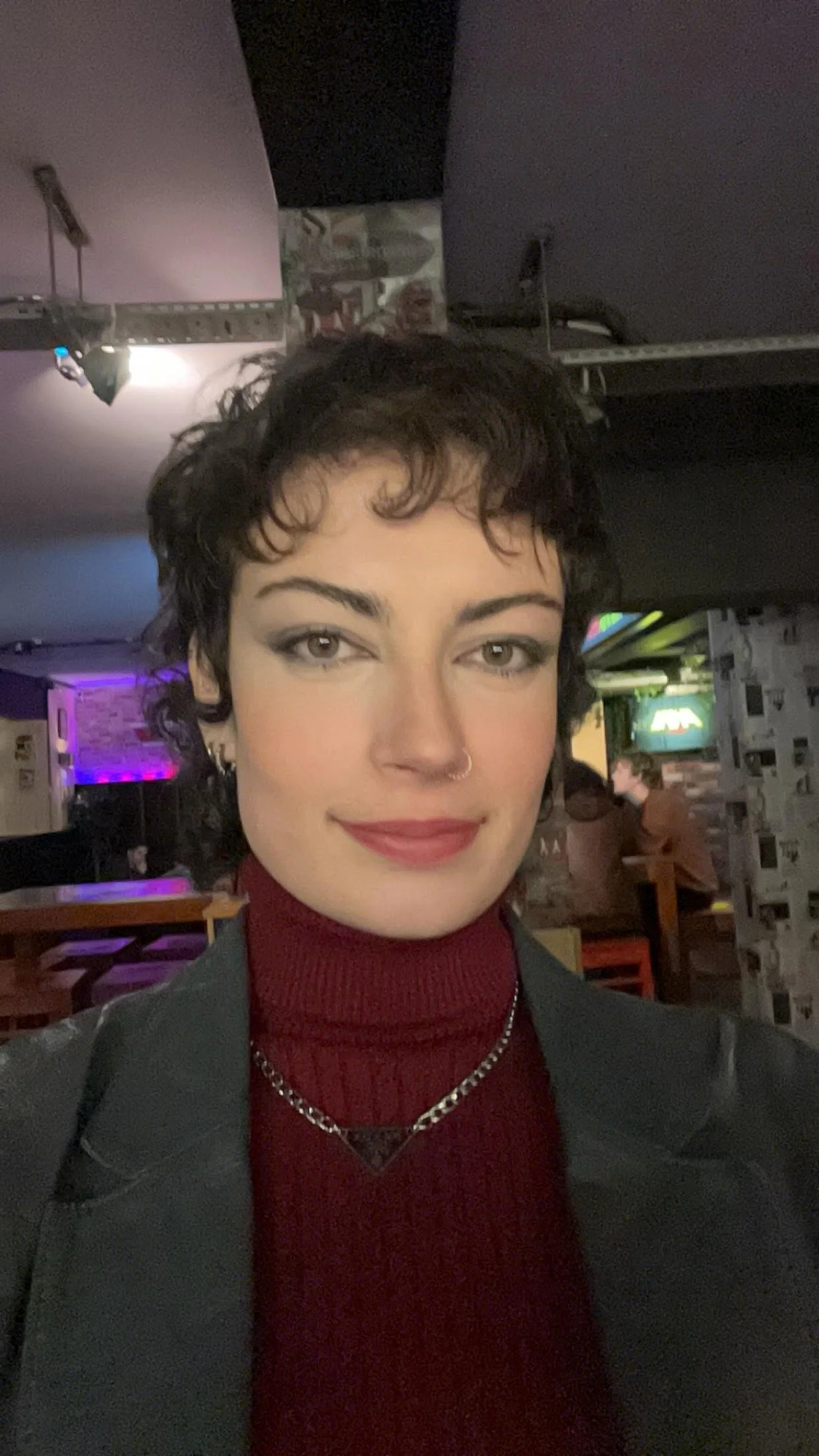
Jenny Smart (any pronouns) is a UK-based filmmaker and writer working across film and critical writing. Their work explores queer representation, identity construction, and visual culture.
They hold a BA in Film and Television Studies, specialising in stardom and feminist theory, and an MA in Film Production focused on feminist approaches to adaptation. For their MA final project they wrote, directed, and edited an adaptation of The Yellow Wallpaper, reimagined as an allegory for gender and embodied experience.
Alongside their creative practice, they currently work in heritage and maintain a strong interest in research-led writing on film, gender, and visual culture. They are also developing an interest in stage playwriting and screenwriting.