By Rachel Gambling
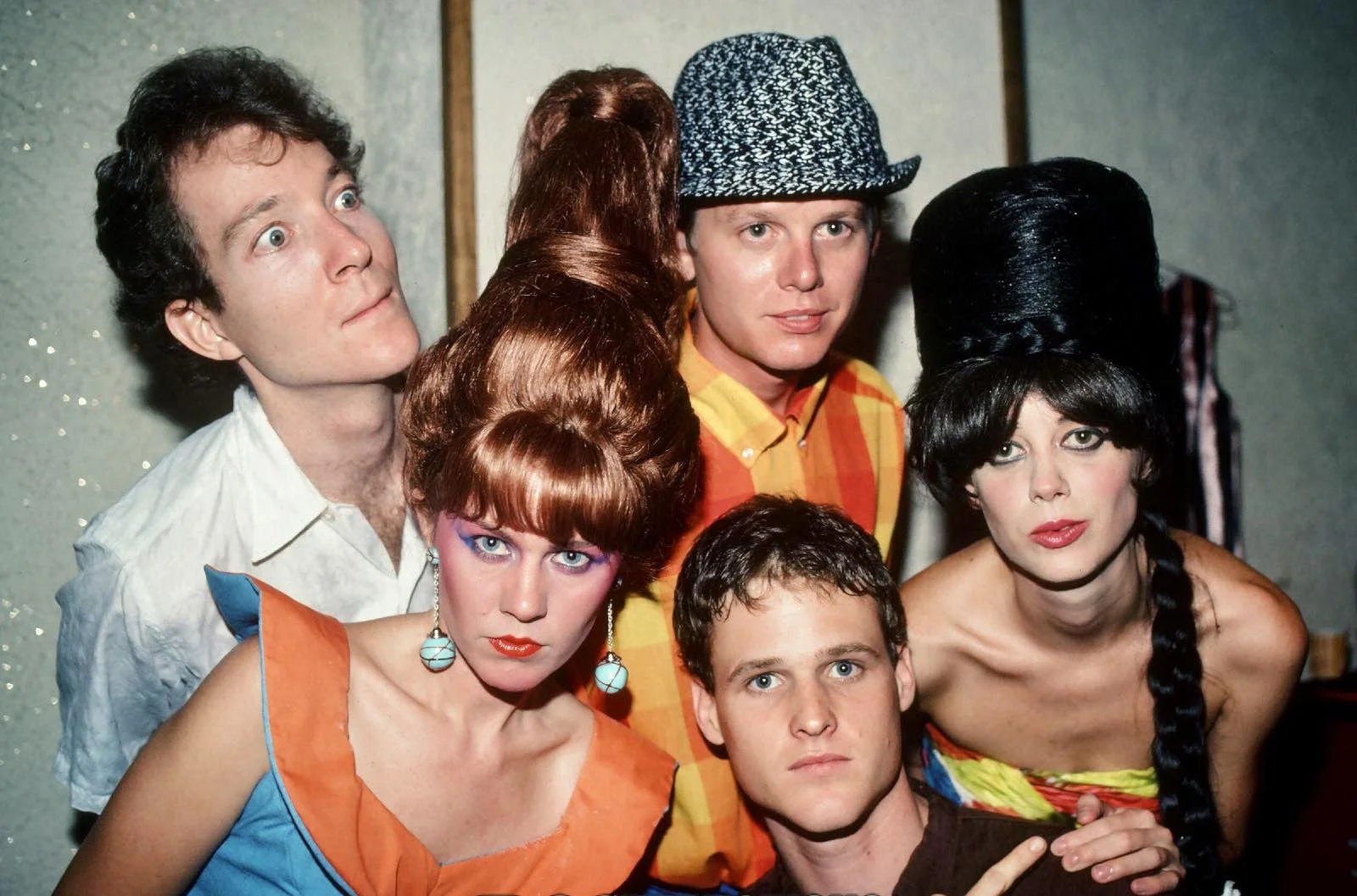
The B-52s in 1981. From left to right: Fred Schneider, Kate Pierson, Ricky Wilson (above), Keith Strickland, Cindy Wilson.
In 1976, Fred Schneider, Keith Strickland, and Ricky Wilson were in their 20s, gay, and broke. Fred, the lead singer, had decided to write a book of poems in college because he thought it sounded easy. He ended up dropping out and graduating onto songwriting, turning the poems he'd written into lyrics. Keith, the drummer, was already playing in a local band in their hometown of Athens, Georgia, when he began recording with Fred and Ricky. Ricky, the guitarist, would at some point break two strings on his guitar and continue playing with the remaining four. He didn't have the money to fix it, so he made do. Ricky had a younger sister called Cindy, who would join the band on vocals and percussion, and in Halloween of that year Fred met Kate Pierson, who he discovered could play piano and sing pretty well. After drinks at a Chinese restaurant, the five would form The B-52s, naming themselves after the beehive wigs Cindy and Kate would wear whilst performing. On Valentine's Day '77, they played their first gig at a friend's house. The following June, they were playing CBGB in New York City.
Not only were they broke, but they were weird. Alongside the beehives were the band's outlandish, thrifted outfits, echoing a rockabilly, space-age style reminiscent of the 50s and 60s. The vibe matched the sound -- their first single, 'Rock Lobster,' opened with a bassy riff, courtesy of Ricky's broken strings, and a cadenced falsetto from Fred. It was like Dick Dale jamming with Ziggy Stardust. The Bs' songwriting process was freeform: "Ricky and Keith would write music and bring it to rehearsal and then Kate and I would jam to it," said Cindy. Glubbing, screeching, hollering; their jams were queer happenings. The record label was warned that they would not follow convention. They were alternative alternatives.
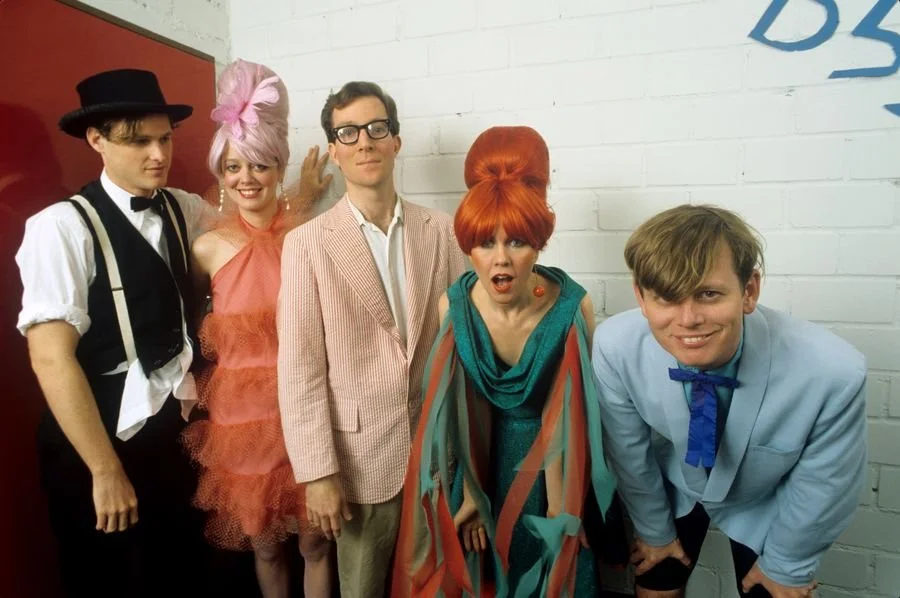
Their weekend trips to CBGB culminated in a record deal, a self-titled debut album in July '79, and an iconic performance at the Armadillo World Headquarters in Austin later that year. Writer Rush Evans recalled seeing the band for the first time at that very gig:
Keith Strickland was on drums, Ricky Wilson on guitar with the two middle strings missing, Cindy Wilson (Ricky’s sister) on vocals and bongos, Kate Pierson on vocals and keyboard bass. And bouncing around the stage wildly while occasionally playing toy piano or cowbell was Fred Schneider.
They were already iconic. With a debut album that includes punky, funky new wave tunes like 'Dance This Mess Around, '52 Girls,' and the outfits to match, there was no way of forgetting the retro-futurist amalgamation that was The B-52s.
Their time at CBGB linked them with fellow alternatives like the Talking Heads, Blondie, Patti Smith Group, and The Ramones, and somehow landed them in Brian Eno's place for a weekend. They found themselves embraced by the punk community, with their debut album selling more than 500,000 copies. “Somehow, punk fans really liked us,” Fred told Billboard in 2018. The group would encourage dancing at their concerts to avoid talking to the audience. "We figured as long as people keep dancing, I don't have to say too much stupid stuff before a song," he confessed to Goldmine. Ricky was also shy; invited to work with other alternative acts of the era, he was happy to remain monogamous with The Bs.
Kate was enamoured with Patti Smith. "She was androgynous and tough and she commanded the stage," she said to Pitchfork in 2020. "She’s the shaman of rock and roll." Kate was involved with the activism before her time in The B-52s, protesting alongside the Black Panthers' ally group, the White Panthers. Her politics were influenced by her music taste; she was fascinated by artists like Bob Dylan and Joni Mitchell. "That music made me realise songs can really change the world." In 2015, she would marry her long-term partner, Monica Coleman. Cindy would remain the token heterosexual of the group.
In 1980, the band would up the queerness with their second album Wild Planet. The song 'Dirty Back Road' wasn't shy in its description of anal sex: "You ride me / like a road / reckless drivin' on dirty back roads." Other hits included the peppy 'Private Idaho,' and Cindy leading the vocals on the impassioned 'Give Me Back My Man.' Wild Planet and the following 1983 album Whammy! would both chart higher in the US than their debut. In-between they worked alongside David Byrne, who produced their 1982 EP Mesopotamia. “I guess subconsciously we were trying to say something. But it was sort of stream of consciousness, it was so out there," Fred said of the band's signature zest.
In 1985, the band was rocked by the sudden deterioration of Ricky's health. Keith was the only one who knew of Ricky's AIDS diagnosis, which at the time was known as Gay-Related Immune Deficiency, or GRID. Cindy would question her brother over his health issues, noting that friends had begun to distance themselves. “I’ve wondered what Ricky was going through. It must have been horrific," she later reflected. On 12th October 1985, he died of AIDS-related cancer, at the age of 32. Before he passed, the band had finished laying down their fourth studio album. Bouncing Off the Satellites would release in 1986. The band split soon after.
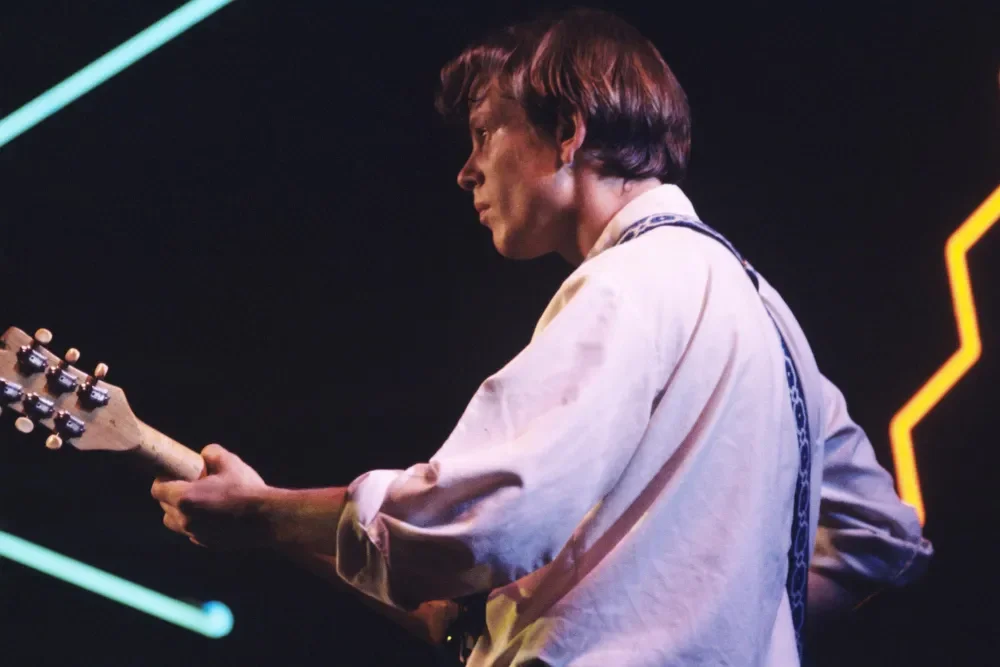
Ricky Wilson of The B-52s.
Two years later, Keith would reach out to the others with a fresh batch of songs. “We started realising we had something so precious together,” said Kate, “and Ricky’s spirit returned in a way. It was a real healing process." The remaining Bs had assumed that their time in the spotlight was over. “We were thinking people were just going to look at us as some group that came and went," Fred recalled. There was no way of replacing their friend; all they could do now was remember him. "We had been through all the grief and we’re still grieving — we’re still depressed and whatever — but we didn’t want that to carry over into the music. We just let our subconscious take over."
What came out of their grief was their highest charting, most commercially successful album to date. More importantly, it reminisced on their time as a quintet, finding their feet as musicians in Georgia. The mega-hit 'Love Shack' originated from The B-52's 1989 album Cosmic Thing, hooking audiences with a kick, a snare, and a crash -- "if you see a faded sign at the side of the road that says / fifteen miles to the / Looove Shack!" By drawing from their memories of The Hawaiian Ha-Le, a club just off the Atlanta Highway, The Bs reintroduced themselves to the world with one of the grooviest tracks ever written. "It was a really cool place – a run-down love shack kind of thing, but it was a disco. It was a really interesting place," remembered Cindy.
Her brother's passing had struck her with a fear of returning to the stage. "Not having Ricky behind me was really scary... I didn’t think I could live without Ricky. Cosmic Thing was a blessing." Growing up together, Ricky had introduced Cindy to drag culture through New York shows and his own persona: “Ricky would become this character called ‘Baby,’” she told. “He’d dress up in this amazing platinum blond wig and cat-eye sunglasses.” The celebratory rainbow decorating the cover of Cosmic Thing did nothing to shy away from the band's background -- their queerness was a part of their music and their history, providing joy to themselves in a dark time and to those that listened. "I was aged 12 when Love Shack came out... It was everywhere and was a game-changer for me," Jake Shears of the Scissor Sisters would tell The Guardian in 2023.
The B-52s' existence forced people to reflect on their homophobic tendencies. "If I’m honest, the B-52’s got me to question my own prejudices," confessed Noodle of skate punk band The Offspring. "Where I was brought up there was a lot of anti-LGBTQ bigotry. When I was still a teenager, the B-52’s helped teach me to grow beyond them." Being unapologetically queer and camp provided inspiration for the next generation of punk rockers, too. Kathleen Hanna, a pioneer of the Riot Grrrl movement in Olympia, Washington, described the B-52s effect for her:
It’s not just all straight men who make music, it’s not all Bob Dylan – there are tons of different people who have made incredibly iconic, important music, who aren’t straight white guys.
In 1990, Cindy would become burned out and take time away from the band. The remaining trio would release the 1992 album Good Stuff and continue with touring. Cindy supported them from afar, whilst processing grief in her own time. She would eventually return in 1994 and feature on the band's final album, Funplex, in 2008. Keith would also make the decision to step away from touring in 2012 but remains an official member of the band. An announcement would come in 2023 that the remaining Bs were bidding their last farewell. In 2026, Cindy, Fred, and Kate would tour once again, alongside fellow alternatives Devo. "The B-52’s and Talking Heads always felt like Devo’s kindred spirits," said Devo member Gerald Castle. The final stop of The Cosmic De-Evolution Tour will be at the Arcisure Arena in Palm Desert, California, on Halloween.
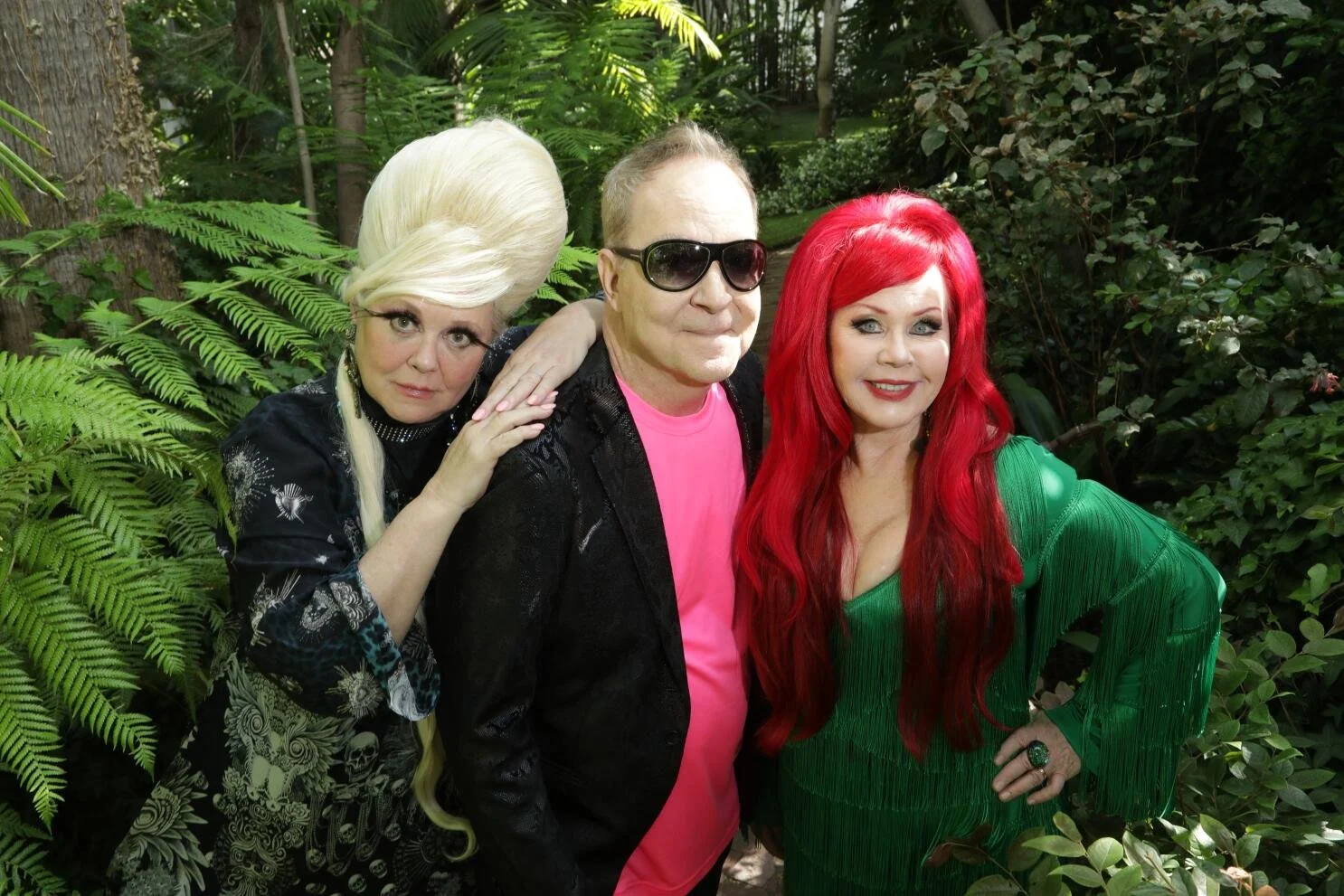
Today’s touring B-52s: Cindy Wilson, Fred Schneider, and Kate Pierson.
Their story doesn't end there. Discussions have been had about a potential jukebox musical, documentary film, and book -- all of which have the potential to create a new generation of gay, broke, and weird artists. In 2020, Kate told Pitchfork that “the basic message we put out is inclusion." The B-52s' music is decorated with themes of hope, acceptance, and love, allowing listeners to “forget their troubles... and dance."
“That’s the greatest thing you can give someone.”

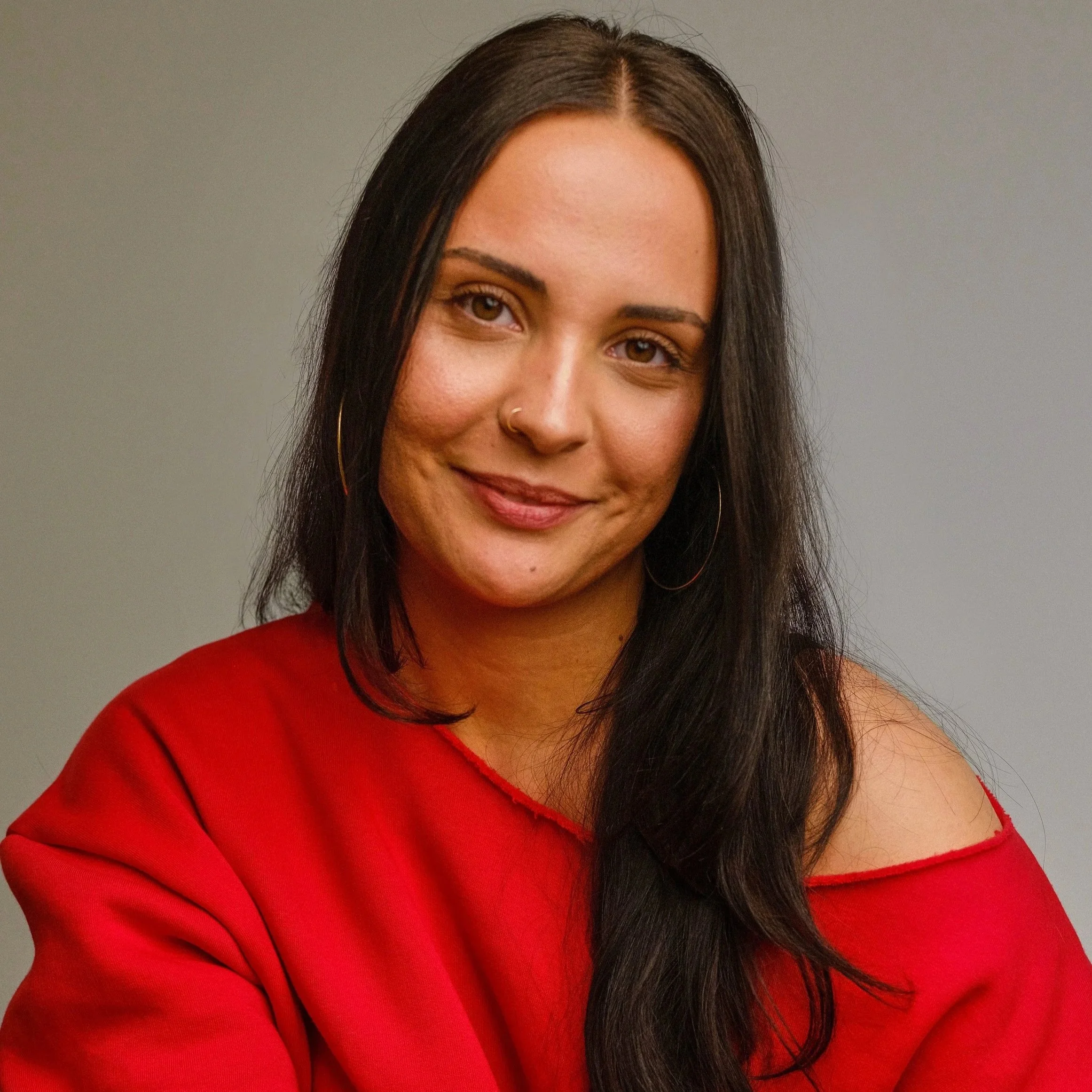
Hi! I’m Rachel, the creator of girlblog!, and I want to revive Riot Grrrl in the UK.
I was born and raised in Essex. I developed a love for the alternative scene and began studying intersectional feminism when I was a teenager. Class consciousness and feminine rage are central to my creativity. You can find me teaching Relationships and Sexual Health Education in my day job or performing at poetry open mics when I get the chance.