
Euphoria Dies with Our Teenage Dreams
by Evianne Suen
This piece contains spoilers for Euphoria season one and two, and minor spoilers for season three.
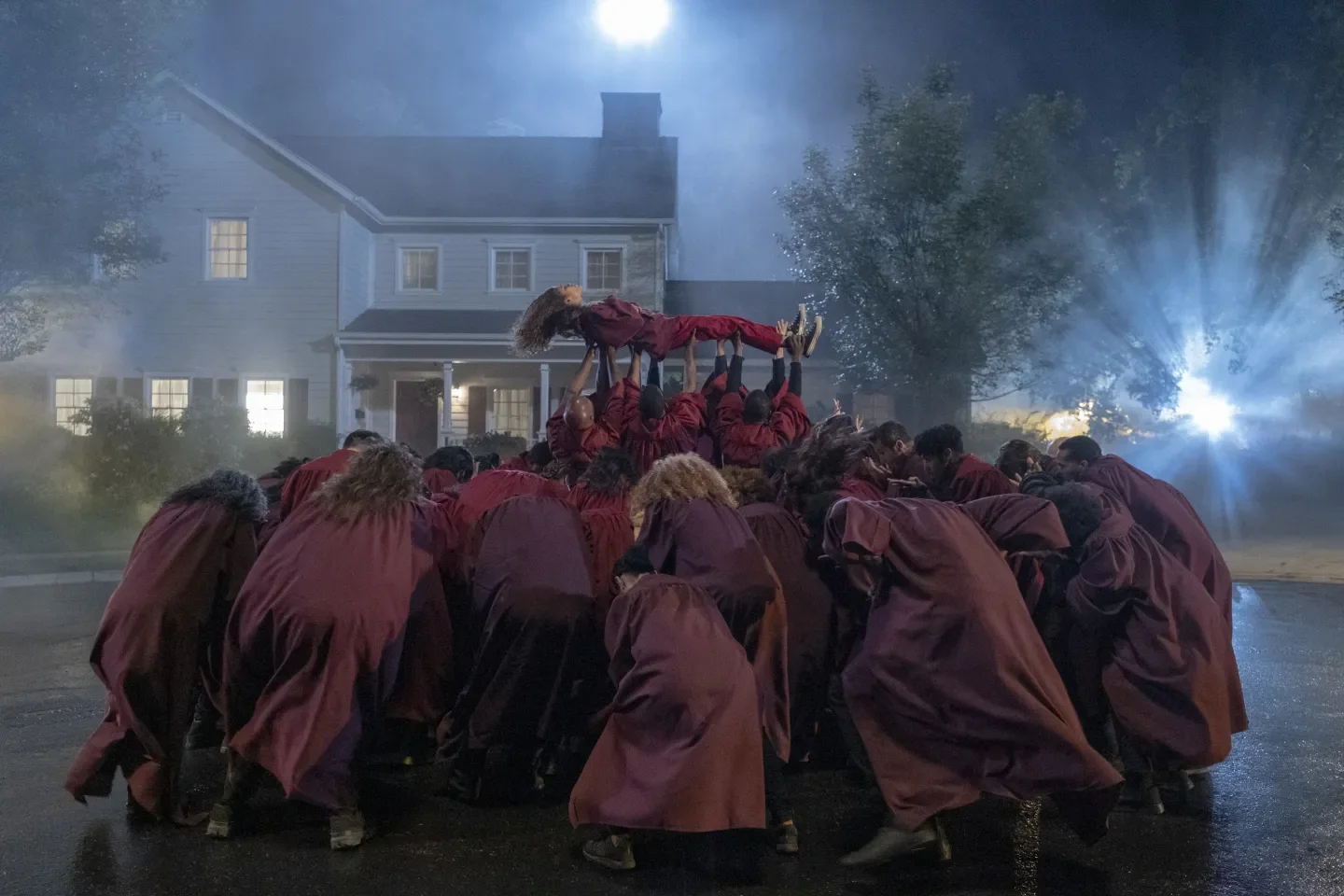
Zendaya as Rue in season one of Euphoria
At the start of March 2020, I was locked down with the most toxic of all my exes. He told me tales of his ex’s foundation staining his favourite white hoodie like it was written by Stephen King, so for almost three years we were together, I never wore makeup. I played the part of a “perfect girlfriend”. I tried so hard to be a girlboss, a wannabe journalist dressed in turtlenecks and suit dresses with a Nasty Gal subscription to show for it (far from my proudest moment and I don’t have it anymore). I didn’t know then, but I was a bit like Cassie in Season 1: desperate to be loved by men who never deserved it that my dignity, my identity, was a small price to pay.
When Covid started, we’d just broken up and still lived together, right before Boris announced the first lockdown. To quote Charli, I thought I was gonna die in that house, waking up every day to confront my ex in the kitchen for leaving my forks unwashed, while our flatmates, his friends, all took his side. I was the only girl in a house full of guys and I was so scared to live in a pandemic for the first time in my life.
Then a good friend texted me that cold, quiet morning in March: “have u watched euphoria? i think u’ll rly like it.”
By the time it was after midnight, I was curled up under my unfurling fairylights and a poster of home, watching in shock as Jules rode away on the train and Rue watched longingly on the platform. I gasped when she fell off the mountain of dancers, all clad in burgundy hoodies that I, too, now own and wear whenever I miss my dad (which is, frankly, all the time), seemingly relapsing to “All for Us” by Labrinth and Zendaya.
Unlike Maddy, who knew who she was from a very early age, I did not until the moment I finished the show. I was no longer defined by my relationship to men — a reference to Jules’ titular mid-season special, my favourite Euphoria episode of all — but by everything that brought me to that moment in time, and I am defined by what I choose to do with who I am now. I saw myself in Kat’s fanfiction career as a former Dark Larry who wrote self-insert fics on Livejournal while looping Up All Night. I cried with Rue when she spent her days beside her dad in bed as he slowly died from cancer, an experience I knew all too well. I admired Maddy’s audacity deeply, as much as I related to the way she learned about sex from the worst sources. And in Jules, I found inspiration and creativity, desire and yearning; the way she expressed herself unapologetically in her clothing and makeup transformed me fundamentally.
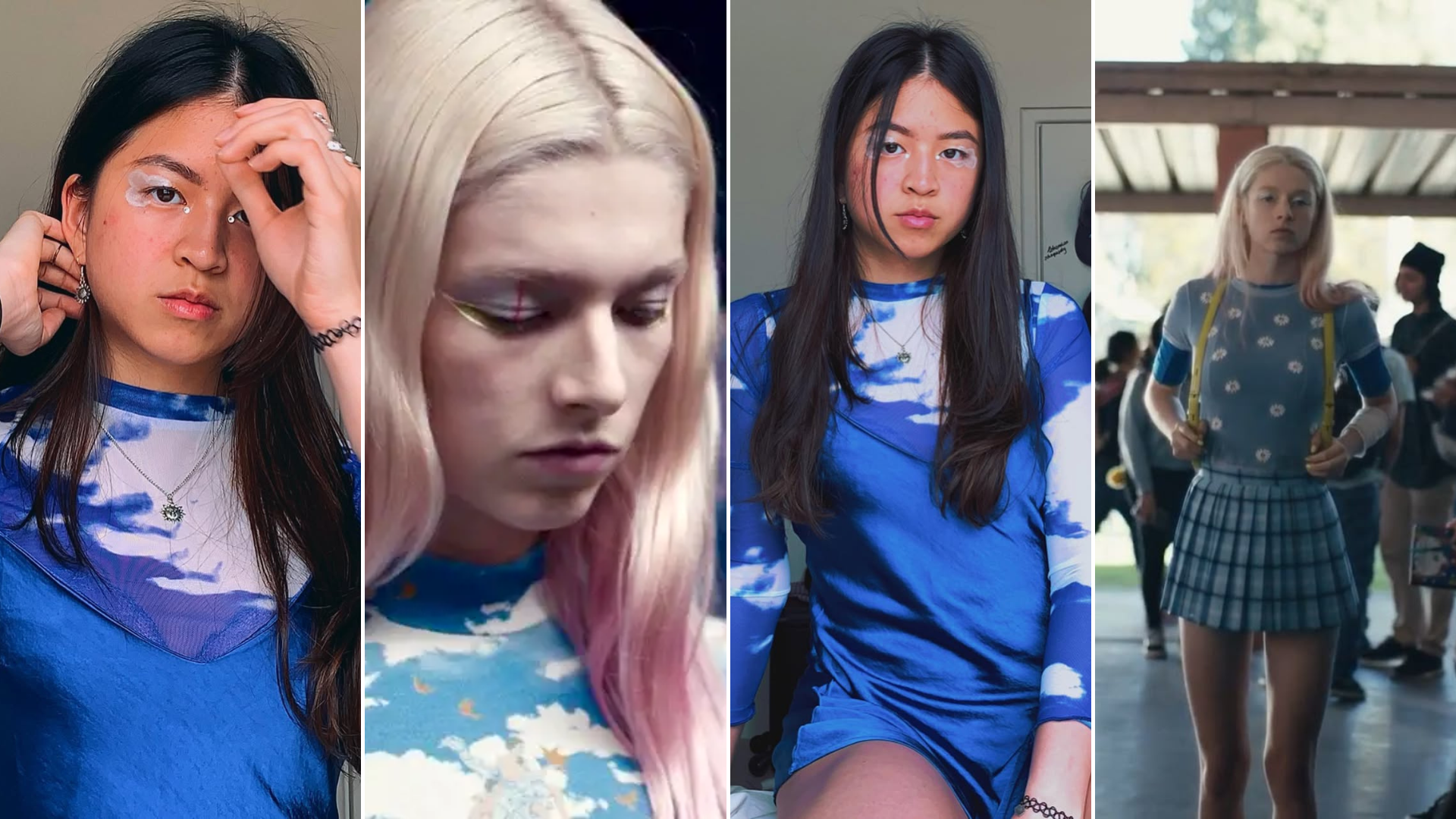
Writer, Evianne Suen, took inspiration for her personal style from Jules in season one of Euphoria
I lived vicariously through all of these onscreen teens, many of whose experiences I did not share having been to a Christian all-girls school in Hong Kong. But like that one Euphoria edit on YouTube to MARINA’s “Teen Idle”, I wanted to be “a bottle blonde” and “I wish I hadn’t been so clean” as a repressed and closeted 16-year-old all those years ago. They lived my dream by showing “the pretty lies, the ugly truth” of being a teen in America, where I’d longed to study for university (thank god I didn’t). I could finally let that part of my teenagehood go but indulge in it aesthetically by learning from Jules’ style, which was intrinsically tied to her transness and expression of femininity. Her character and Hunter Schafer were instrumental to my understanding of queerness and womanhood. Through her, I unlearned the pressure of confining to gender expectations, especially that of my ex’s.
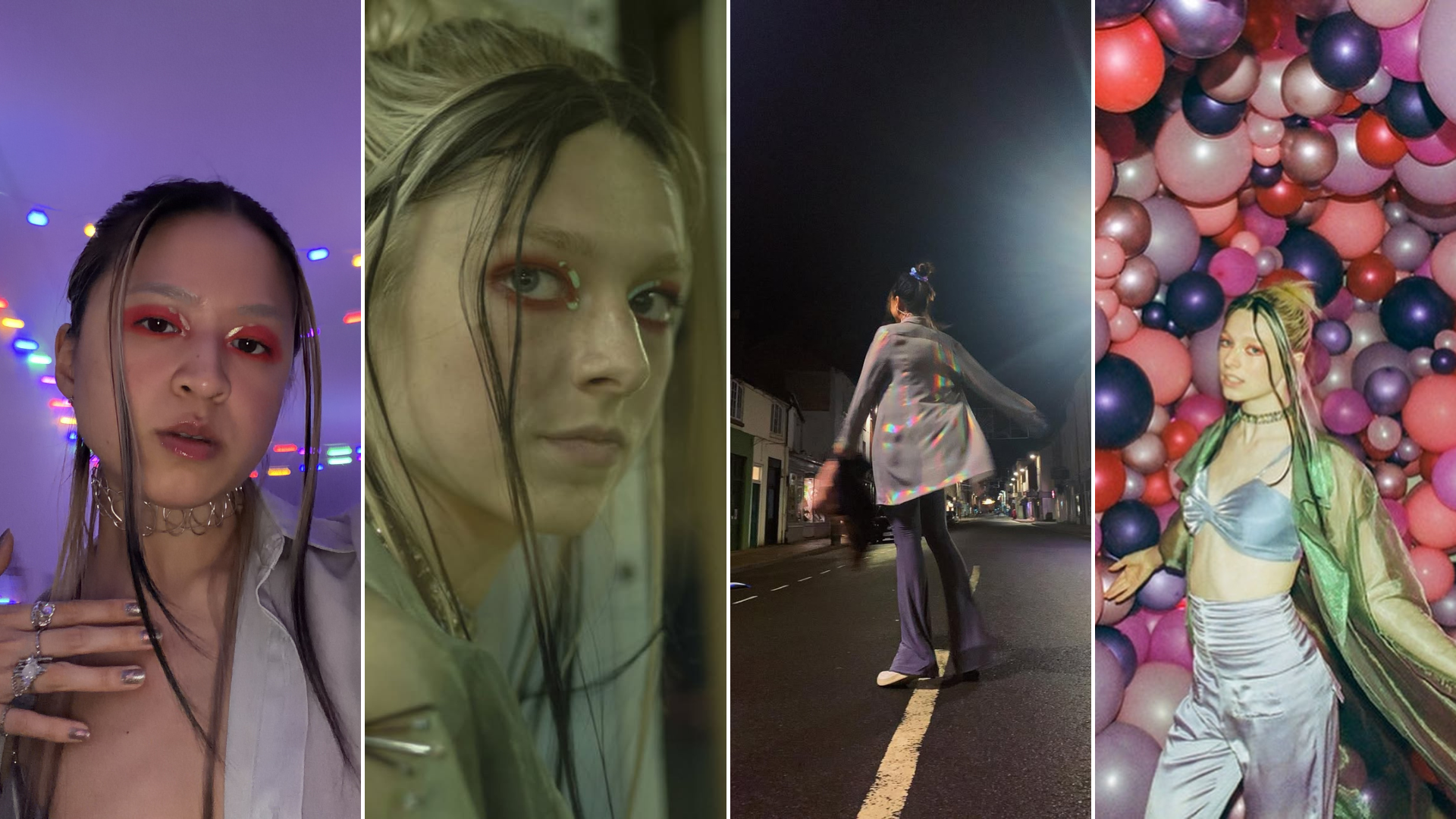
Evianne Suen and her style icon Hunter Schafer in Euphoria
I began to wear bold makeup liberally, buying coloured gel liners to experiment with (which were a lot harder to find six years ago) and even matching my face coverings and masks to my outfits. I experienced a euphoria that had long eluded me because I felt like I couldn’t explore my face and body as canvases for art, for the sake of a straight man’s comfort in his masculinity (which really was insecurity in his manhood; it’s giving Nate Jacobs). I dressed like Rue on days I felt more masc in oversized button-up tees and bike shorts, and Jules when I felt like a flower blooming. I even went to a party in my friend’s basement in the same outfit and hairdo as Jules in the prom scene: metallic liner and dark roots to reflect her losing battle against blossoming trauma, a shimmery cloak-like shirt for an ethereal touch, grey flared pants gathering dust from the basement floor. In other words, I stopped dressing and performing for men and started doing what I want.
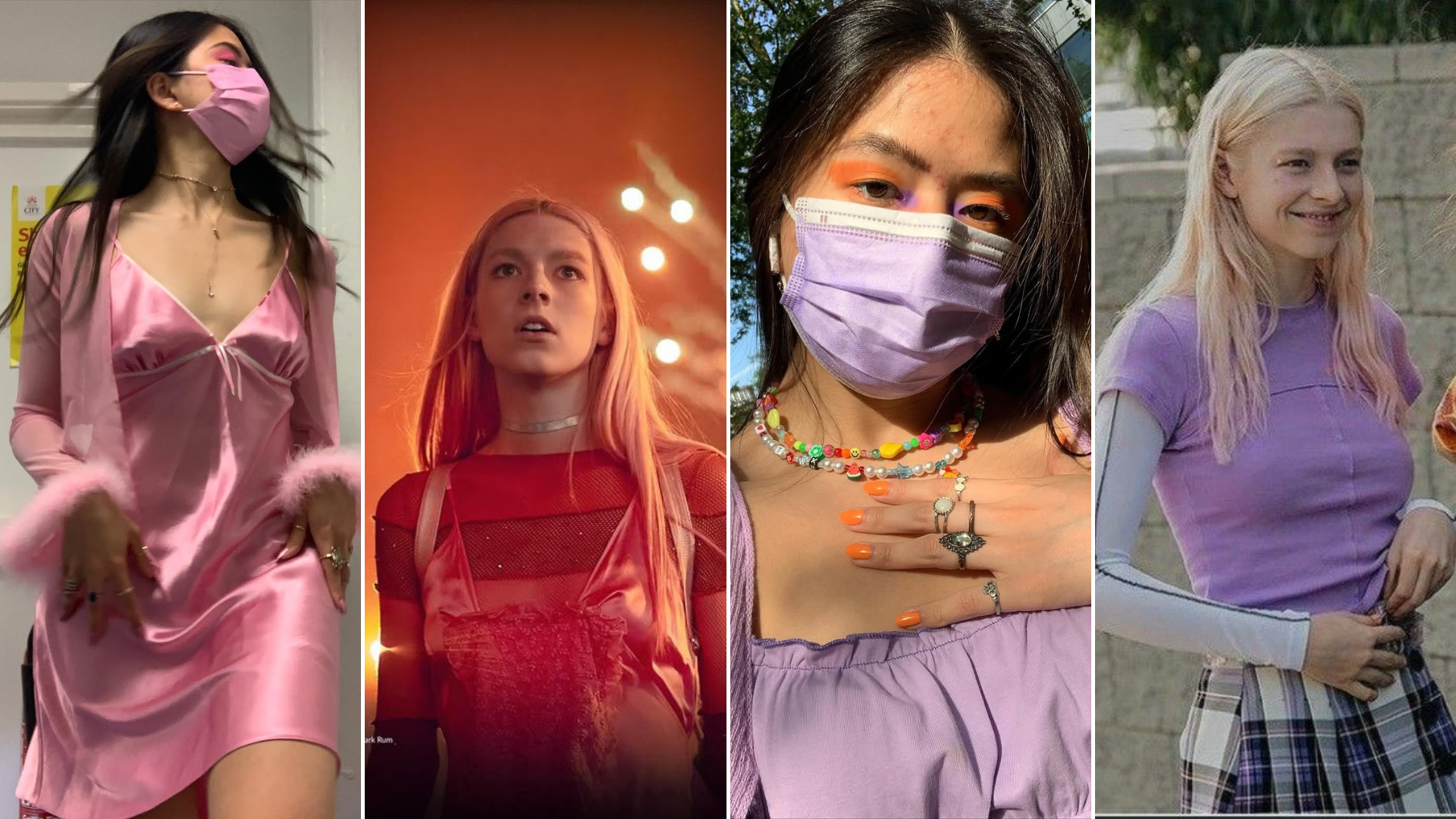
Evianne Suen and Hunter Schafer as Jules
And when Jules’ special episode came out, “F*ck Anyone Who’s Not A Sea Blob”, it was as if Hunter, who wrote it, had peered into my brain and sifted out all the worst memories of my coming of age. Starting the episode off was Lorde’s “Liability” while a compilation of Season 1 played through the reflection of Jules’ eyes, a song that cut deep the first time I heard it in 2017, the year I finished school and my dad was diagnosed. “I feel like I've framed my entire womanhood around men,” Jules told her therapist, and god knows I’d spent years being taught to be a “woman of excellence” in school and how to appeal to men, when really, “no girl had ever looked at me the way Rue did,” and by Rue, I mean my first love whose name I cannot mention. In all the years since her, I projected my desires onto men who only wanted a version of me, crushing on imaginations and finding comfort in fantasies of men that were completely different in reality when we finally dated, just for the sake of validation. So when Jules said, “I feel like real life is always such a letdown,” it was as if someone had cracked apart my soul and bled the words I’ve always been too scared to say. But it was this line that was the final nail in the coffin, and what drove me to seek counselling the way Jules was mandated to do for running away: “I feel like my entire life, I've been trying to conquer femininity, and somewhere along the way, I feel like femininity conquered me.”
Up until this episode, Euphoria felt written for women, by women. Bar the drugs and sex and violence and sensationalism for the big screen, many of the characters embodied the quintessence of being a teenage girl in the 2010s. The actual high school parts of Euphoria was how I imagined my teen years would be from campy romcoms and pop punk song titles if I was American, and though I’m grateful now I didn’t have to live it and that I’m not American, I would’ve still lingered on the lack of closure had the first season (and two special episodes) not existed.
But now, Euphoria feels distinctly for men, by men. Straight, cisgender, single men with too much money who reduced these complex teenage girls to sexual stereotypes that would have Freud rolling in his grave.
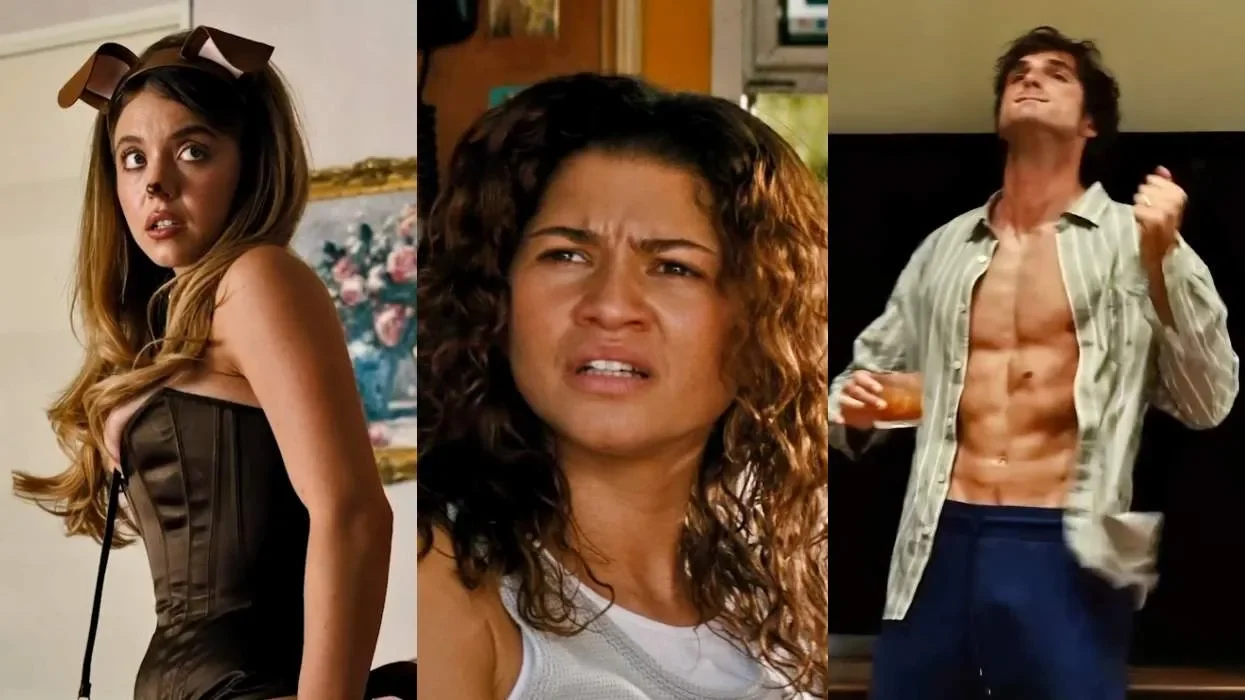
Source: Out.com
And it began in season two. What’s a TV show if it doesn’t get kinda bad in its second season? But it was the classic, “let’s pit these best friends against each other”, because girls can’t be friends without competing, apparently. Let’s ignore what happened in the mid-season specials that made already great characters phenomenal. Let’s undo all of what made Euphoria Euphoria and turn it into a self-referential, selfishly indulgent meme factory to play out personal fantasies and increase the shock factor for more views and hit tweets on Sundays and Mondays. It was no longer a show about teenagers looking for light in a darkening world. It became watching teenagers unrealistically and exponentially ruining their lives in a dark comedy with a half-hour chase scene more stressful and tragically less artistic than The Drama.
That’s not to say season two was a total trainwreck. When Rue gets high on Fentanyl, she hallucinates entering a church where Labrinth, in a maroon suit not unlike the shade of her dad’s hoodie, croons the soul-destroying lyrics of “I’m Tired”: “Now the tide is rolling in / I don't wanna win / Let it take me, let it take me / I'll be on my way / How long can I stay? / In a place that can't contain me.”
Her slow dance with Labrinth is gradually spliced with memories, or hallucinations, of Rue dancing with her father in their living room. She questions whether she’s a good person, to which her dad responds she is; and when she says, “You don’t even know me anymore,” he gently assures: “Yes, I do. I’m always with you.”
Even typing that out made me tear up. I rewatched the scene a few months after I lost my dad to cancer and was an emotional wreck the next few business days. The portrayal of excruciating grief is one of the best I’ve ever seen in fiction, and Reddit concurs. Not least with Labrinth’s haunting vocals, ringing out through the church alongside the piercing tune of the organ, punctuating every moment of pain with a mournful melody and lyrics like “Please don't say you need me / Release me, believе me / One day you will see me / Bеlieve me, believe me”.
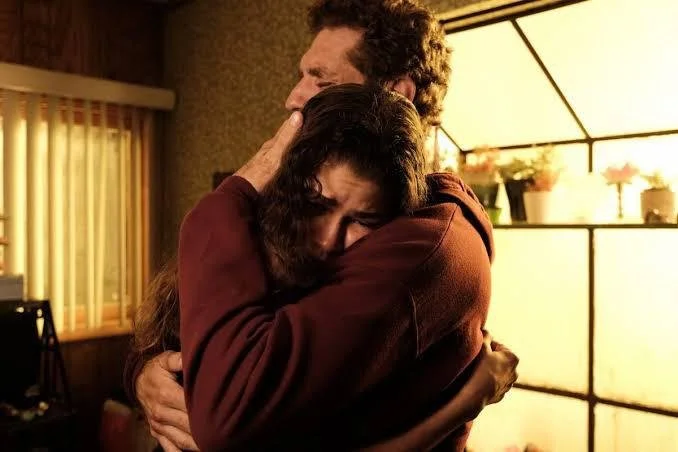
Rue and her father embrace in season two of Euphoria.
So to have Labrinth off Season 3 when he was the literal sounding board of the series, conducting the viewers’ feelings and reactions like we’re an orchestra, is a travesty. Gone is the whimsical riff of “Fun At The Alley” from Season 2 and the lonely pang of “New Girl” in Season 1, which was the theme song for what I went through with the Cal Jacobs to my Jules. Lingering beyond the credits and between seasons, Labrinth’s sounds were the voice of the show for many viewers like myself, who got into his music through Euphoria. (A special shout out to “Running A Red” from his new album, Cosmic Opera: Act I. It’s going triple platinum in my bedroom as I write this.)
The loss of Labrinth, Angus Cloud, Eric Dane, Barbie Ferreira and the talented writers and producers that made up the soul of Euphoria is clearer than ever in reviews of season three, which, if you haven’t watched it, is chock full of graphic scenes for shock value, far worse than the aforementioned description of season two. The bar was already so low, but Euphoria’s controversial director begs the question: how much lower can we get?
From a show with so much potential — how about a sapphic love story that ends well? Teenagers who make it to college? A main character who survives drug addiction? And Petra Collins’ artistic vision come to life, to a reheat of Breaking Bad’s nachos covered in female nudity and torture porn, Euphoria dies and takes the dreams of grown-up teenagers with it. God forbid a girl wants to see other girls she sees herself in being happy. No, men forbid teenage girls from ending up in any other profession than sex work, none of whom are doing it for self-empowerment. Season three is almost a reminder that we can’t have good things.
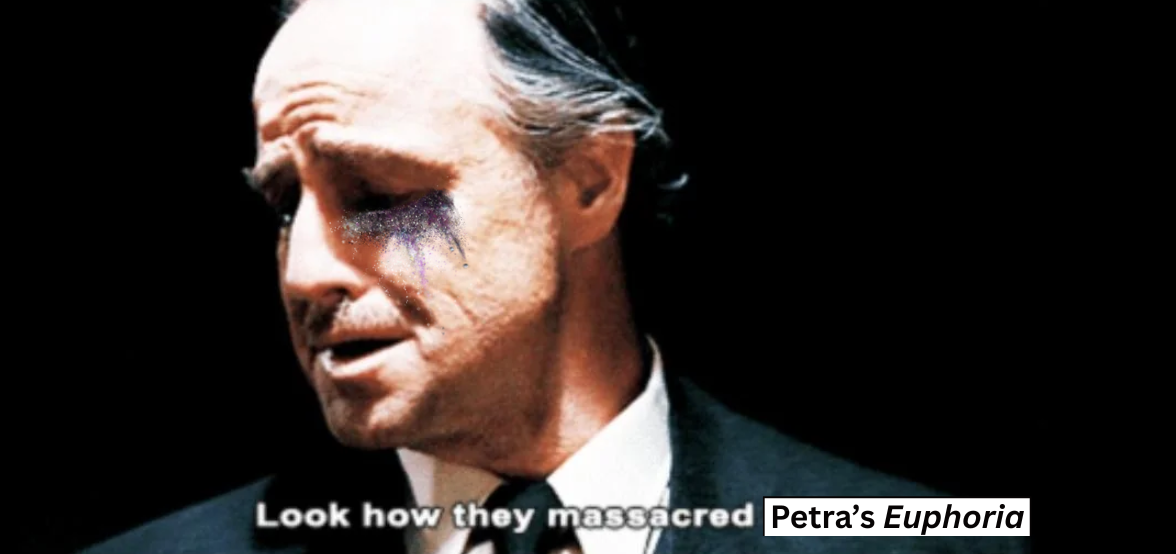
But that’s not to say the comfort you found in the show isn’t valid, as is your criticism. The current canon feels more like fanfiction of season one written by a cishet man (because it is), but just as the show and its actors have grown through time, so have we as its audience, using its originally magnificent aesthetic and layered storylines as springboards for identity and resonance. The show has played its part in our lives and (what a relief) it’s no longer “a fucking play about us”. It was a vessel for me to understand who I was at a time when I’d been the most lost, and I hope you got what you needed from it, too.
And it’s fiction, after all. If you’re looking for alternatives, I’d suggest Fleabag, Overcompensating and Glee. They can’t really replace Euphoria, but they could give you the euphoria you’re not getting from it anymore, and haven’t in a long time.
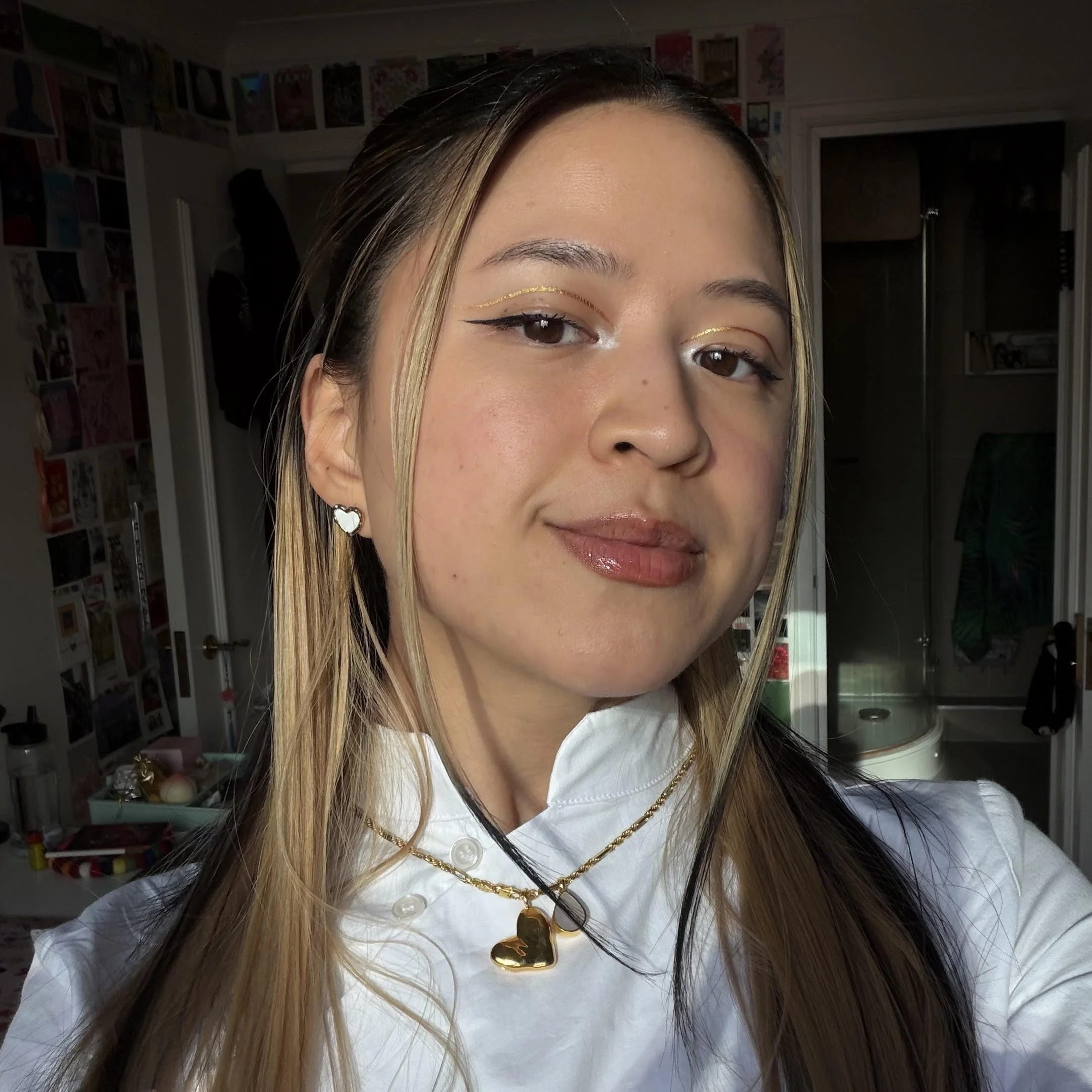
Evianne works in music and pop culture and writes sapphic love stories to cope with the political and economic state of the world, to quote Jaden Smith, especially since she’s from Hong Kong.