By Rachel Gambling
Major spoilers
*****
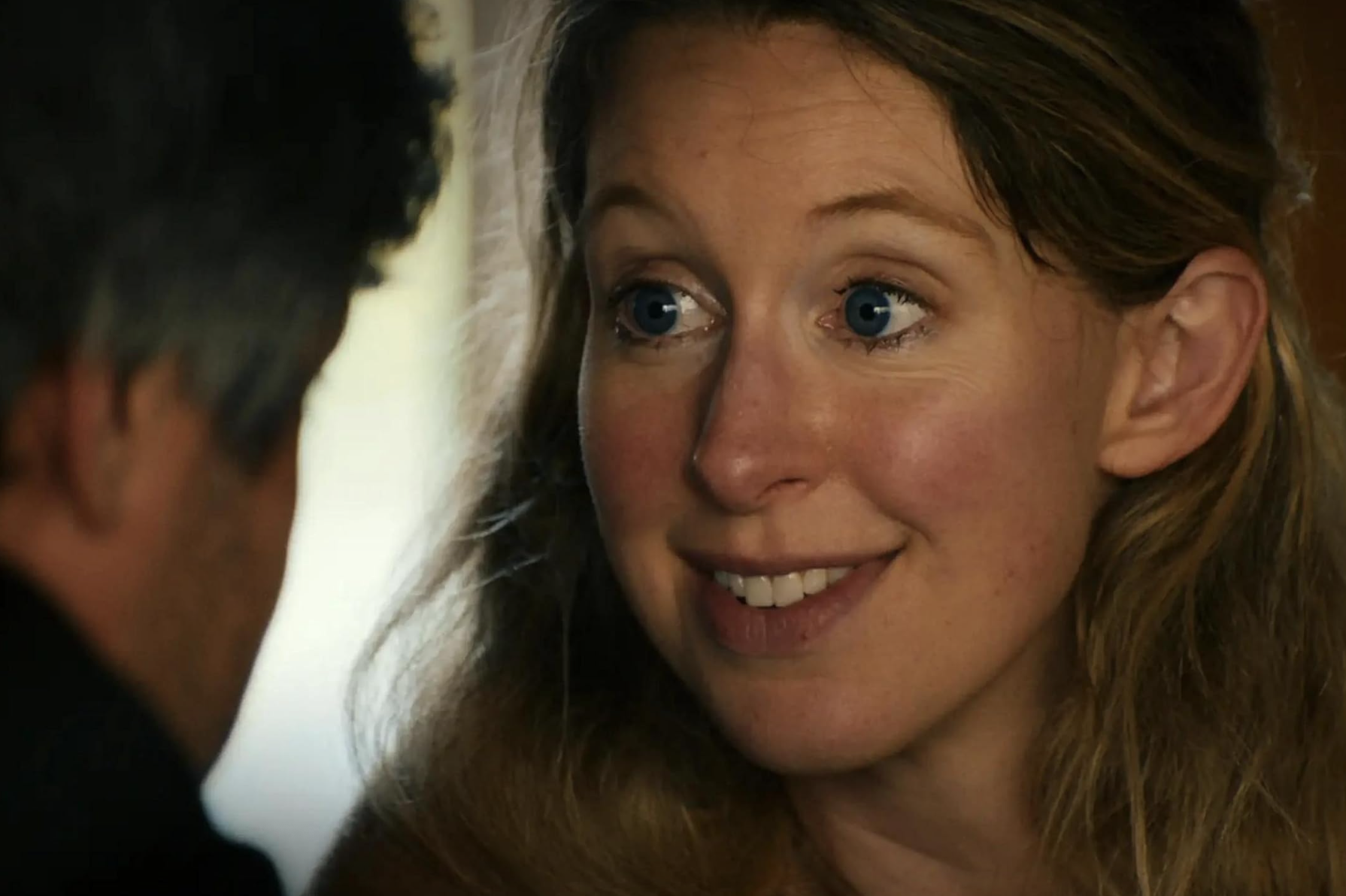
I have no idea what I saw -- and coincidentally, neither does Nathan Fielder. You Can See Everything questions how reality is perceived by the documentary's subject, Elizabeth Holmes, and the documentarians themselves. Founder of Theranos, the health-tech company that defrauded investors out of hundreds of millions of dollars, it's natural to assume that Holmes is a skilled manipulator.
As portrayed in the biographical television series The Dropout (2022) by Amanda Seyfried (who plays a surprisingly large role in the second half of You Can See Everything), Holmes and her former romantic and business partner Sunny Balwani attempted to intimidate whistleblowers into silence as their technology's legitimacy was questioned. But, in her conversations with Fielder and current partner Billy Evans, Holmes appears passive, shy, and innocent. "The film represents a massive slap in the face for the judicial system, as well as for Tyler Shultz and Erika Cheung, the primary Theranos whistleblowers," writes The Guardian. "Is that intentional? Or is there some design to this whole thing that I’m not aware of, and I’m in some hall of mirrors that I am not even conscious of?" Fielder told in an interview with Wired.
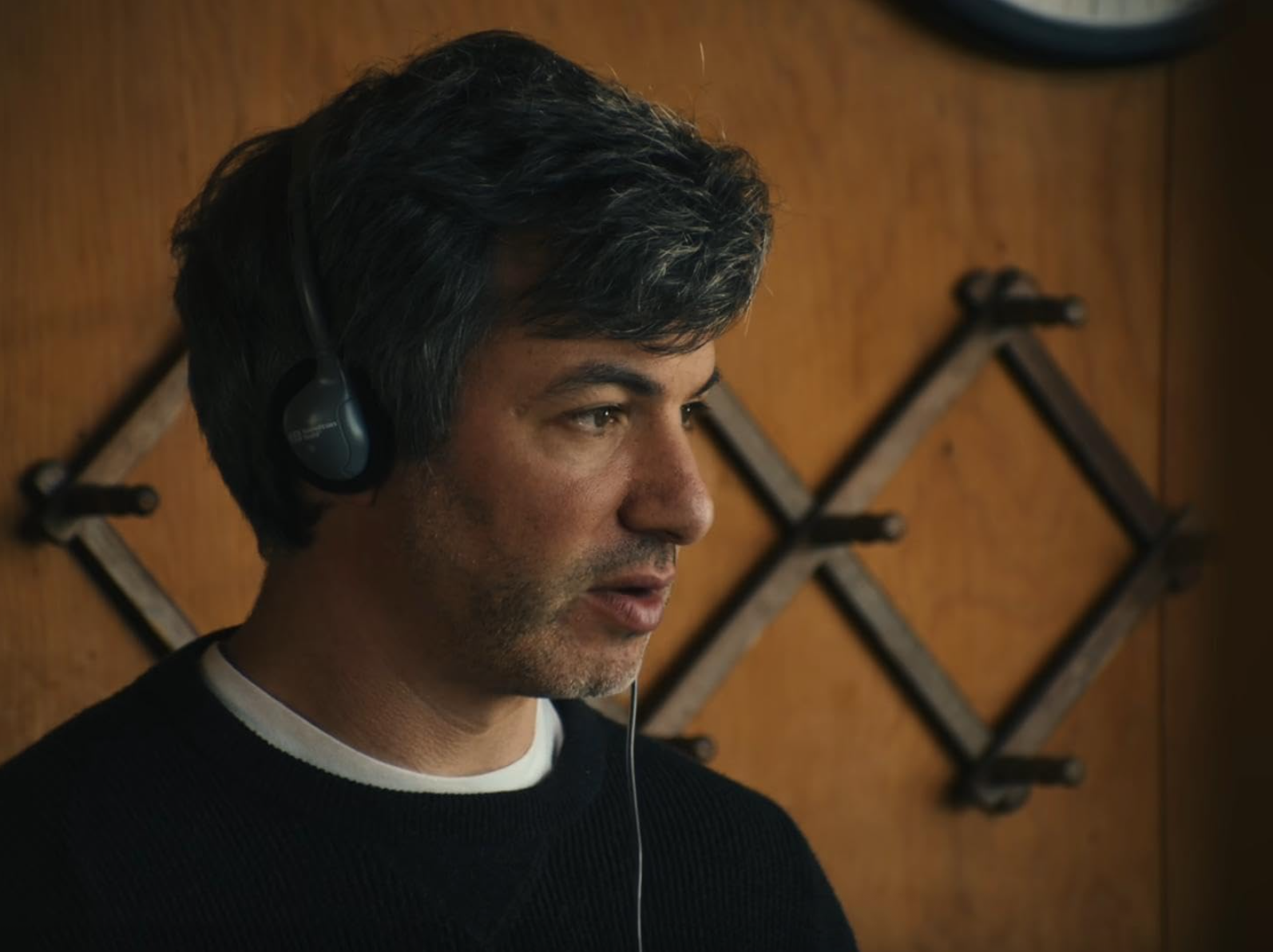
Fielder states early on to Holmes that he's confused as to why she wants him documenting her last days of freedom before her eleven years of incarceration. He doesn't understand the science, and as the courts have decided, she is guilty of defrauding investors. But she insists upon her innocence, despite her failed appeal. She shows Fielder the Theranos equipment she keeps in her garage and claims that it did, and still does, work. As the famous line goes: "I'm always being real."
Curiously, during one scene, Holmes pretends to understand the Abbott and Costello sketch 'Who's on First?' in a moment that made me question whether she was dissociated from the words coming out of her mouth. "Why was it funny?" Fielder asks Holmes. She's unable to provide a clear answer. She becomes upset in her confusion. Next to her, Evans is attempting to rectify the situation. He presents himself as a protective figure in her life, sitting somewhere between fatherly and PR crisis manager, but is mostly domineering. When Fielder tries to speak with Holmes' father, Christian R. Holmes II, Evans is looming nearby, interrupting and asking that they wrap up the interview.
"Billy can be intense, and there were a lot of conversations he had about the future of the film and the release of the film that made us uncomfortable," co-director Lance Oppenheim told GQ. In a reenactment of a conversation between Evans, Fielder, Oppenheim, and two A24 executives, Evans is shown to ask for monetary compensation out of the film's profits for appearing as the subject. The filmmakers explain that this isn't customary; yet Evans is keen to broach the topic further. The final credits suggest that no deal was struck, and that Evans and Holmes have not received any profits from You Can See Everything. But according to The Hollywood Reporter, "the payout still went out; it was just redirected to a charity, in a move that puts Evans in a slightly warmer light."
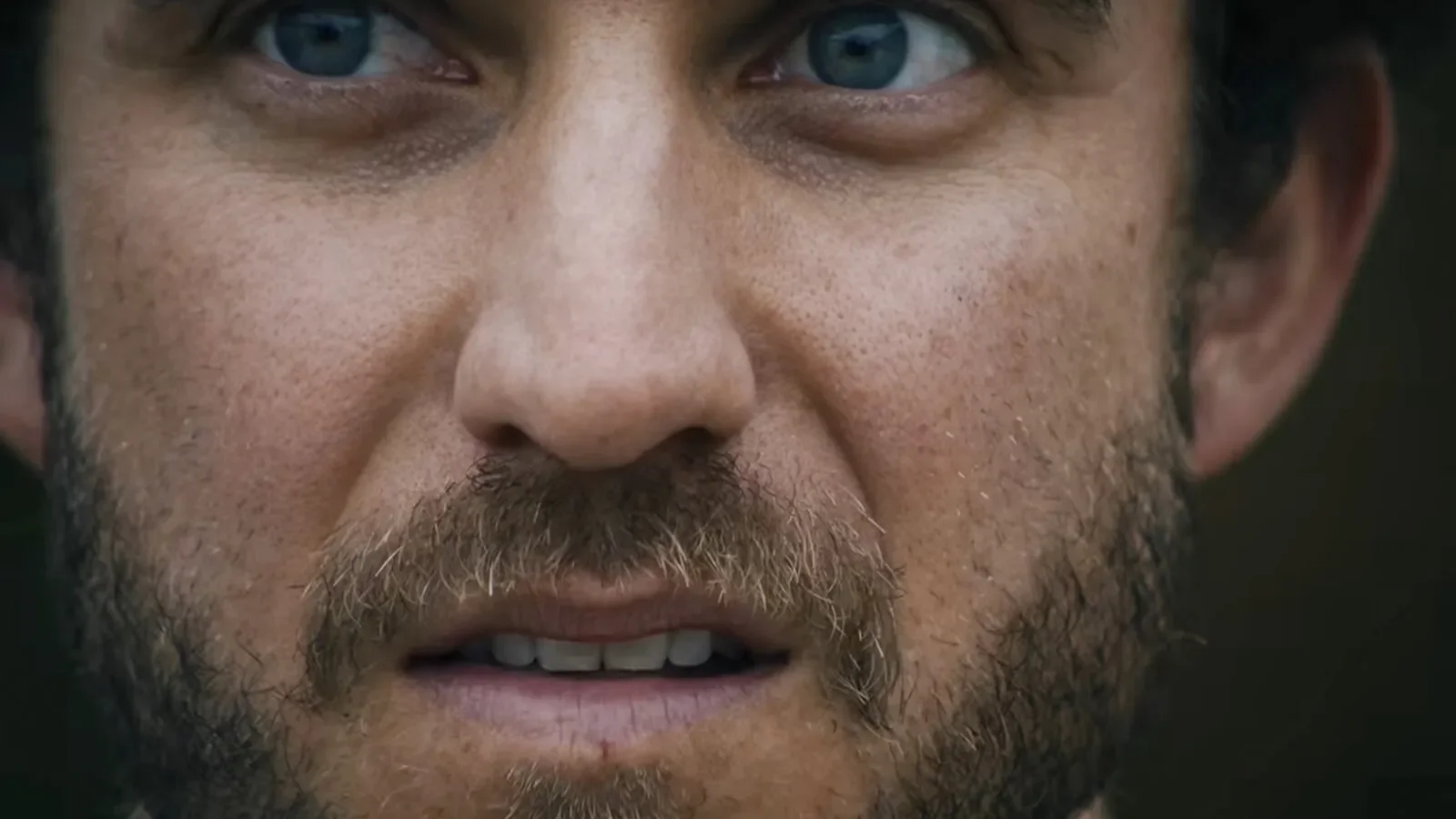
Evans could do with all the good press he can get after the documentary's release. Questions are raised about his involvement in Holmes' image rehabilitation during her incarceration, which include him managing her social media in unorthodox ways, creating an AI version of her, launching a billboard campaign proclaiming Holmes' innocence, and having power of attorney over her decisions. When asked by Fielder how he and Holmes met, Evans describes not initially recognising her. "But you knew who she was?" Fielder presses. Evans confirms that he did. "Were you dating anyone else?" After some hesitation, he claims he was dating around three other people at the time. "Why her?" Apparently, Evans fell in love instantly. In a recent interview with CBS News, Evans spoke on his unfavourable portrayal: "I would have preferred for [me being the villain] not to be the case, but it's entertainment."
The line between reality and fabrication continues to blur, even after the documentary's near three-hour run time. When Fielder invites Seyfried to join the project, we see her naturally slip back into character as Holmes. It's like a second skin for her. But as she plays Holmes in these reenactments of Fielder's memories, she brings another lens to the footage already shot. As a third party, she can be more confrontational than the film's directors -- we see this in her firmness with Evans as they debate the validity of Charlie Kirk's politics. It's satisfying to see him stew under the pressure. In his overly earnest CBS News interview, Evans attempts to spin this in his favour: "I'm really glad they included [Amanda] as it really shows what a difference there is between the real thing and how eager she was to play a character."
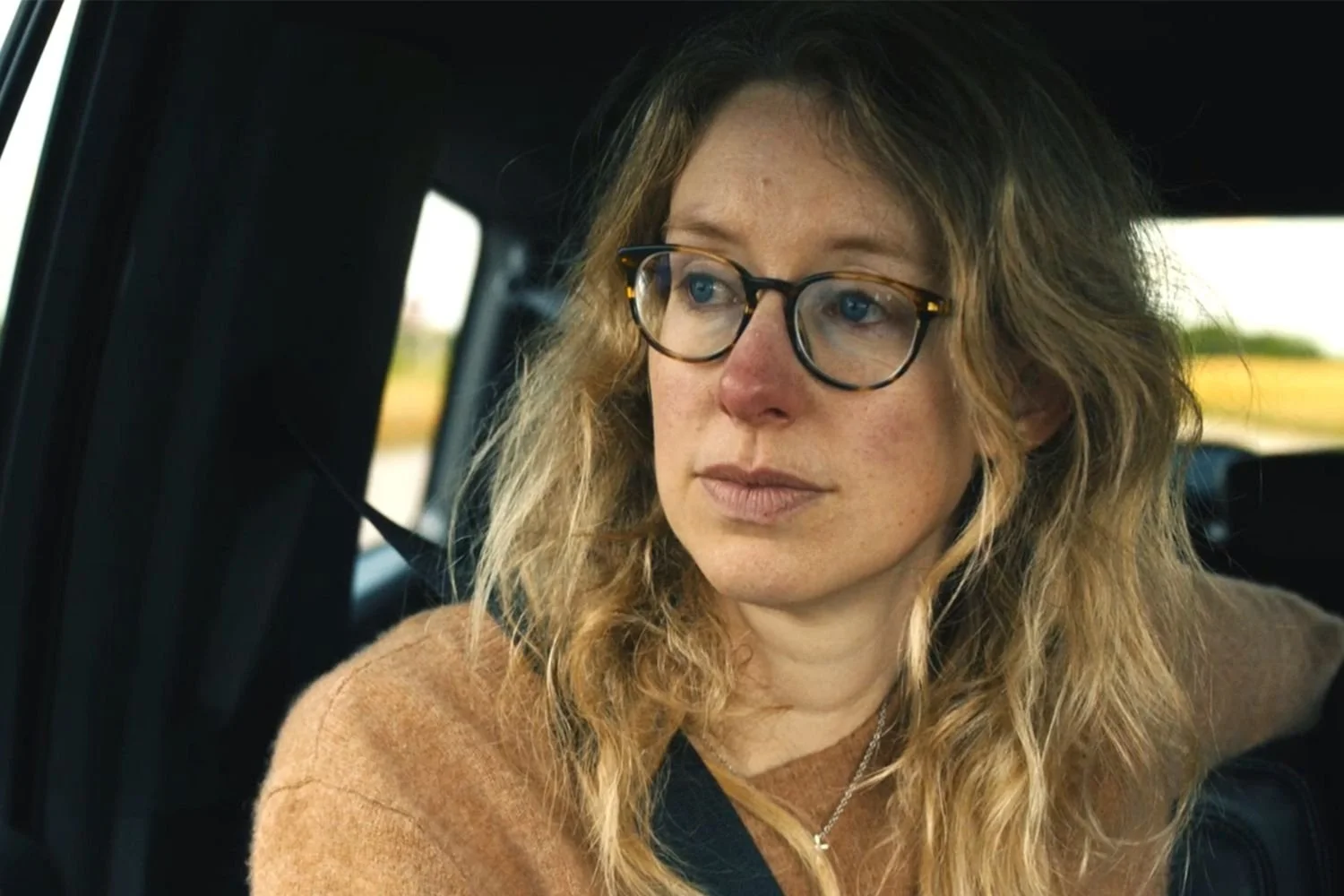
We, the audience, are left watching others discuss Holmes as she serves her time inside. It becomes incredibly meta. We have Evans, the die-hard advocate, with dubious motivations; Fielder, the sceptic, who yearns to engage with Holmes as a human being; and Seyfried, the realist, who sees the evidence before her, plays Holmes as a character, and leaves her attachment in her acting. But Holmes herself seems unsure of who she is or what is going on around her. She parrots what Evans says. She says yes to everything and contradicts herself. She insists she has never lied in her life, ever.
Like Fielder, we are drawn to her. As he told Wired, "it felt like watching a magician." Webs are weaved across the beachfront home Fielder shares with Holmes and Evans. As we see Fielder frolic alongside Holmes in the ocean, we can see that he truly cares for her. In their final phone conversation, she told him she trusts him. The feeling is not reciprocated.
Hi! I’m Rachel, the creator of girlblog!, and I want to revive Riot Grrrl in the UK.
I was born and raised in Essex. I developed a love for the alternative scene and began studying intersectional feminism when I was a teenager. Class consciousness and feminine rage are central to my creativity. You can find me teaching Relationships and Sexual Health Education in my day job or performing at poetry open mics when I get the chance.