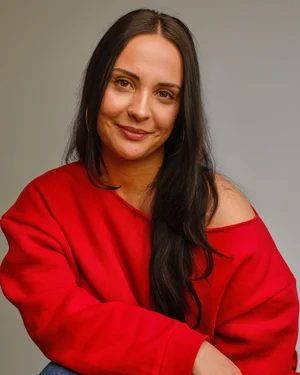
Bridget on Her New EP For the Hell of It and Life as a Grassroots Musician
By Rachel Gambling
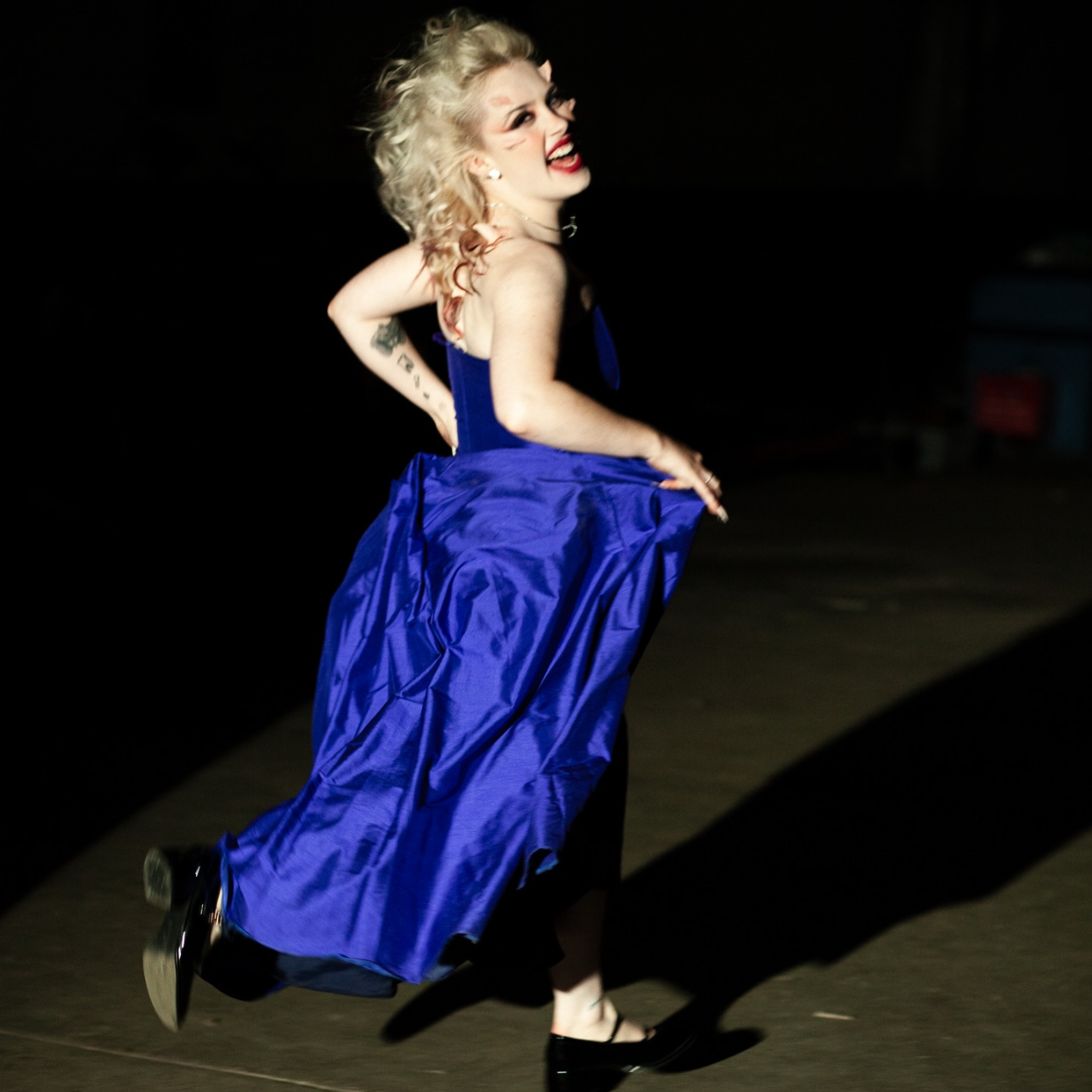
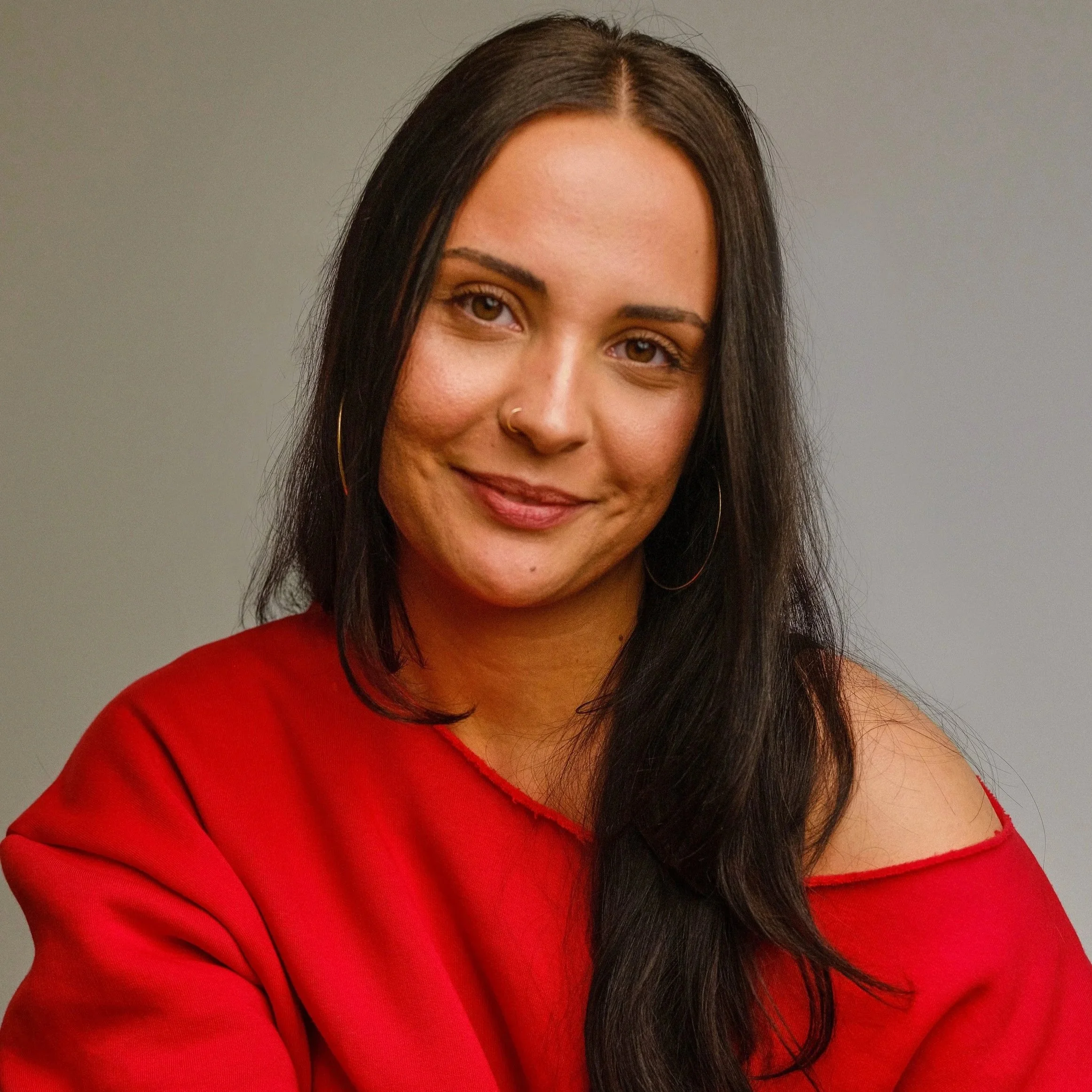
Photo by Olly Bromidge
It’s hard out here for grassroots artists. Whether it’s the cost of touring or the rise of AI, the rapidly changing landscape makes a sustainable career feel out of reach. Monumental levels of time and energy go into creating and performing the music you hear at festivals, on social media, and on streaming services like Spotify, which pays artists £0.002 to £0.004 per stream. To persevere takes immense grit and determination. You know who has that? Bridget.
The Colchester grunge-punk musician has been in the scene since 2022, and has already supported alternative legends The Smashing Pumpkins and Skunk Anansie. Bridget’s first EP, Damage Reversal, demonstrated her undeniable vocal talent, matched by her energetic performance style compared to that of punk powerhouse Amy Taylor. The lead single for Bridget’s second EP, For the Hell of It, continued to prove her as a whirlwind force in British music; the anticipated record will be released on the 24th October.
In the run-up to the release of For the Hell of It, girlblog! Editor-in-Chief Rachel Gambling spoke with Bridget about her songwriting, career highs, and life as a grassroots artist.
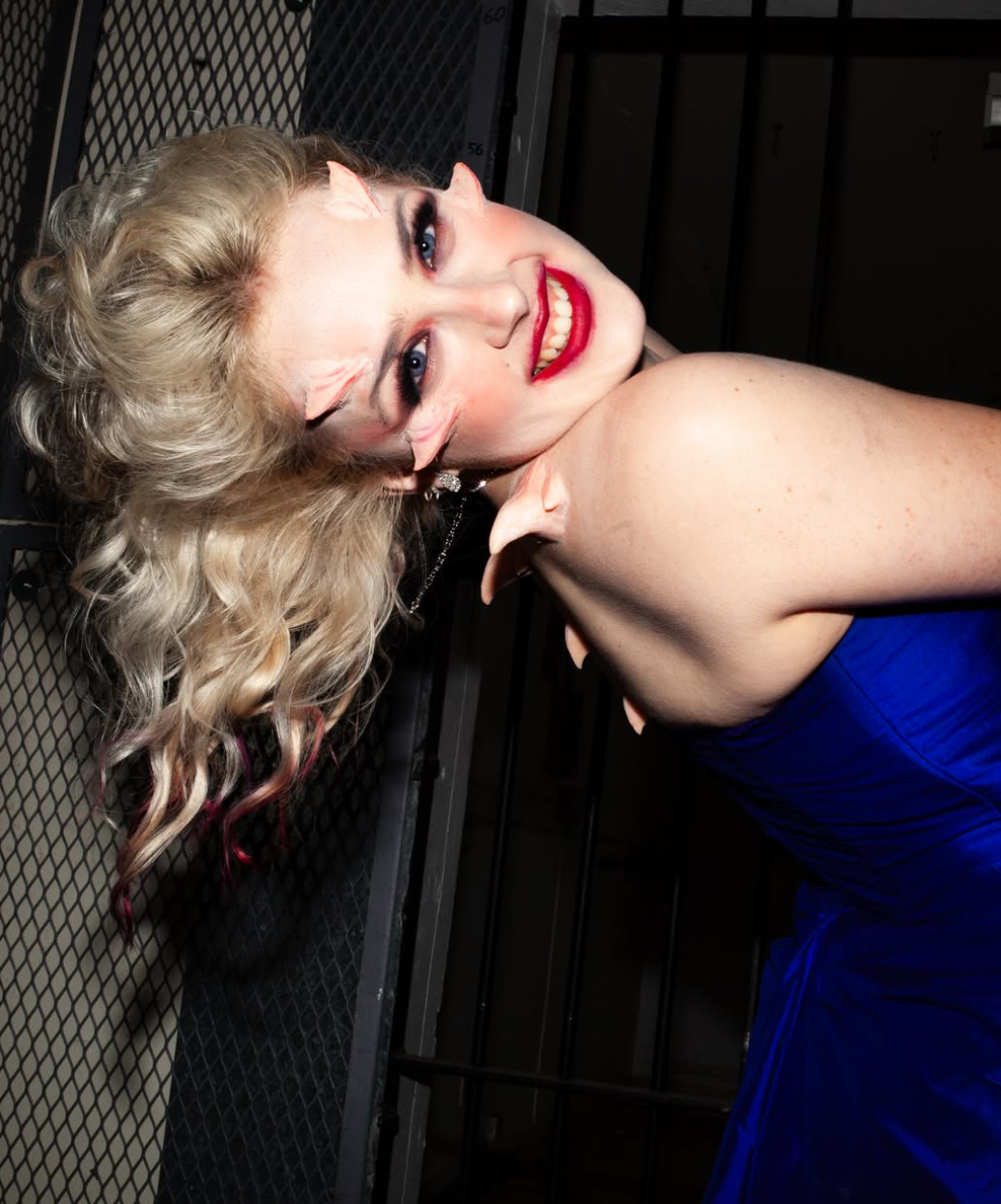
Hey Bridget! How’s 2026 been treating you?
B: It’s been wicked. Still managed to have adventures and new musical experiences, despite the fact that mainly I’ve been recording, plotting and planning...
For any readers that might not be familiar with your work – who are you, what do you do, and what kind of music do you make? Who are your main influences?
B: I’m Bridget. Hello! I make Grunge-Punk music and I perform it live like my life depends on it. I grew up becoming immediately drawn to the likes of Nirvana, Hole (controversial, I know), alt-90s/00s type stuff, anything that got me feeling like I wanted to headbang ferociously. Shout out to my personal trifecta of heroines... Amy Taylor (Amyl and The Sniffers), Skin (Skunk Anansie) and Lady Gaga.
Last year you released your single Hairspray, which is one of my favourite songs of yours, along with its B-side, ‘Cloud 94’. Is your latest EP, For the Hell of It, a similar sound, or a deviation from it? What kind of themes can we expect?
B: Glad you enjoy it! Love performing ‘Hairspray’ live. I think every song on the EP is pretty different. I was aiming to simply just start building tracks with the themes of heaven, hell, how people view and think about religion and things like that, in my mind. In spirit of the title For the Hell of It, I didn’t think too hard about it — if it sounded cool to me and moved me, it stayed.
Naturally, your sound has subtly changed over the years you’ve worked as a musician. What process do you take with your songwriting, and has this changed since you first started?
B: Yeah, it definitely changes. Most recently, I’ve been in a really nice place where I’ve been using my band as tools, in person. Where someone might play around with tones, riffs etc on a DAW, I’m doing that but actually in a live setting now. I didn’t always feel confident enough to do that when I was younger. You have to be surrounded by the right people who are just there to service the song, nothing else, and be confident in your directions. It’s so much more liberating to be able to play your ideas out loud like this, rather than just solely jamming on a guitar. I’m really excited, as always, to hear whatever the next bit of music comes out like.
When you’re writing music, what do you draw inspiration from? Personal experience? Current events? Films? Literature?
B: Like most humans, I think a lot, about a lot. I’d say my music so far is mostly based on personal experience, saying things in a song that I couldn’t say to someone at the time, that sort of thing. Funnily enough, my rage has been bubbling under the surface a lot in light of recent events... take your pick... so I would like to explore translating that into something cathartic but also really banging. I tend to write about the things that come naturally to me and don’t tend to struggle with topics to write about.
You’re no stranger to festivals: over the past couple of years you’ve played Glastonbury, Boomtown, Bearded Theory... That’s a whole lot of touring. You also frequently headline gigs over at Hot Box in Chelmsford and at venues across Colchester. Two questions: how do you have the energy for it all? And how have you carved out a space for yourself in the alternative scene?
B: I was born with it. I have energy for it because the chance of getting some energy back from people in the audience must be the same as a vampire’s urge to hunt for bloodsucking victims — LOL.
I want to do it, so I do. Et voilà, I have my own space and everyone is welcome.
You’re an independent artist – do you feel you have more control over your creative decisions being independent than if you were with a label? Some musicians feel that labels can have restrictive contracts, blocking their creative freedom. Is this something you’ve noticed, or is it a case-by-case basis?
B: 100%. From word of mouth, I hear some labels are great, ran by passionate people who want to take chances, invest and grow artists. Also, I hear that a lot of labels are restrictive or counter-intuitive, non-human and somewhat manipulative. I don’t understand the benefits of some things I’ve heard and been told directly from labels at all and so, until the right one comes along, if it comes along, I’ll gladly stay doing what I’m doing.
Careers in music, and creative careers in general, are shown to be becoming increasingly inaccessible to people from working class backgrounds. Certain artists, such as Witch Fever and Little Simz, have expressed that the cost of touring has become too expensive for them to sustain. What are your thoughts? Is there any personal experience with this you want to share?
B: Yeah, it’s insane because it doesn’t have to be like this at all. Just go listen to these artists you’ve mentioned explain their experiences. If it’s hard for them, how’d you think it is for artists like me? It’s cool to see that funding opportunities are coming up recently, organisations are putting money into grassroots and the general music scene itself seems to be on the side of the artists and venues here. But, we need more. That’s a whole other issue with the government not funding the arts enough. I think the DIY, scraping by, survival type tours are just becoming normalised, even if you’re famous, signed and having financial backing — it’s unfair, obviously, because someone somewhere is being paid and making a hefty living out of it...
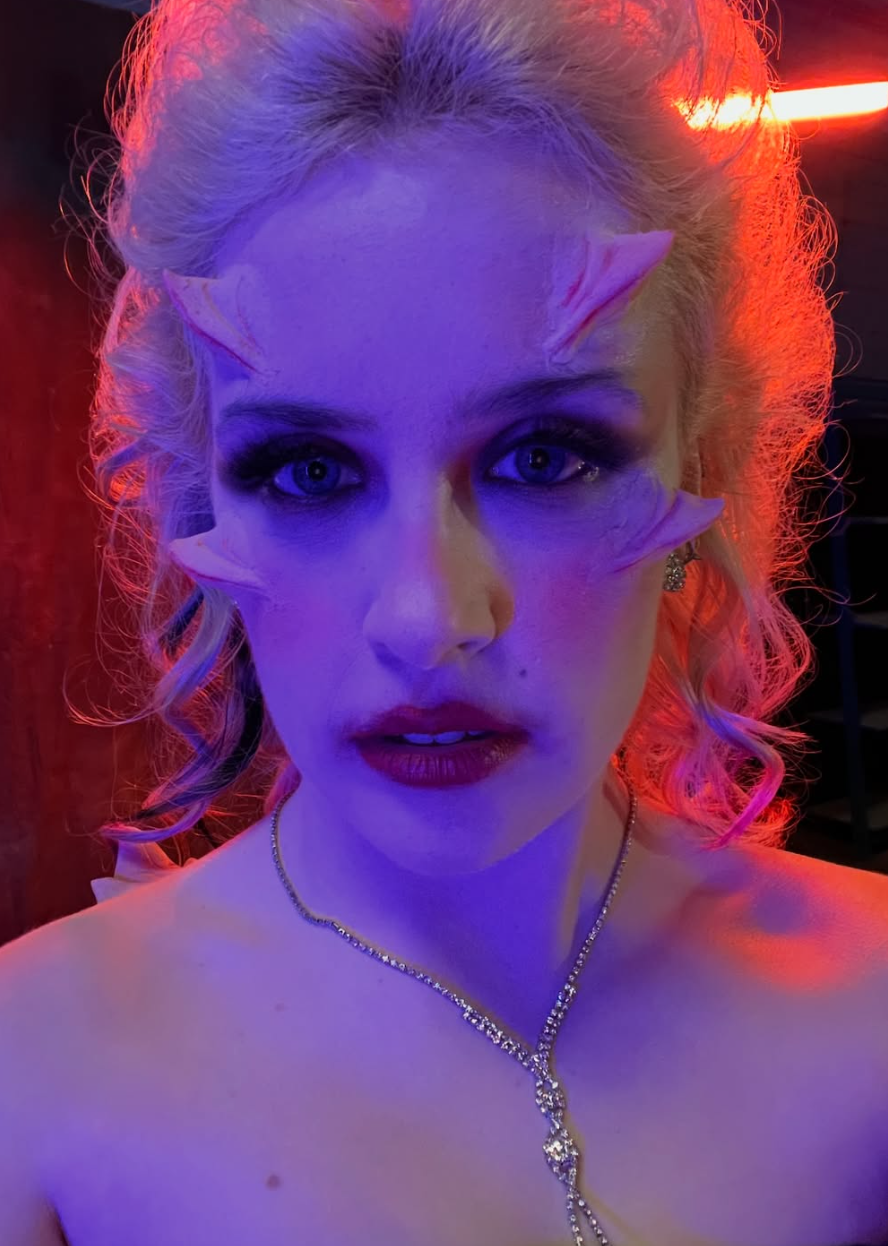
There’s a lot of criticism of certain attitudes within the alternative scene – particularly misogyny directed towards female artists and fans. Many artists like yourself have spoken up against this behaviour, in a similar vein of the 1990s Riot Grrrl movement in Washington D.C. We’ve seen a resurgence in Riot Grrrl since Olivia Rodrigo hosted Daisy Chain Fields, a non-profit music festival donating all proceeds to charities advocating for gender equality. Do you think we need a Riot Grrrl revival? Or a new movement altogether?
B: I don’t think it ever went away! I think we just need to keep playing shows. If they don’t wanna book you, play outside, make your own festival, if you can’t afford it, do it unplugged. That’s what Riot Grrrl means to me personally; to just keep doing your art no matter who or what tries to silence it for whatever reason. I think it’s more important than ever that we don’t stop encouraging girls and women to pursue music even if Mr. Generic-misogynist has some dumb, ignorant opinion about it.
We’ve seen a lot of acts, such as Kneecap, Bob Vylan, and the festival Decolonise Fest experience attacks from various aspects of the British establishment (MPs, media outlets, etc.) regarding their outspoken stances on the Palestinian genocide. Do you worry about how these increased attempts at censorship may affect you and your peers?
B: Not really. I mean, they can try, I think they are always trying and as we’ve seen in history they might even succeed momentarily, but they don’t do a very good job of it, clearly, because guess who still makes music, art and has the very normal, human ability to condemn genocide — us. I’m excited to see what music comes out of this. There are more of us than there are of them.
What shows have you got coming up?
B: 24th October. The Church, Ipswich. The For the Hell of It Autumn Ball. Dress code is Halloween Attire. There’s gonna be live music, drag, costume competitions, a chance to get your hands on my EP and more. It’s going to be the best Halloween extravaganza you’ve experienced at a DIY level. Tickets on DICE.fm. Celebrating the release of my second EP which’s be played in full, for the first time!
What do you hope to achieve before the end of this year?
B: I want this show to sell out. So, if you’re reading this — you NEED to grab a ticket, it’ll be fun as... HELL. No pun intended (it was mwahahaha). 24th Oct: C U THERE.
Bridget, thanks so much for chatting with me! Looking forward to your future shows!
You can get tickets to Bridget’s For the Hell Of It Autumn Ball here.

Hi! I’m Rachel, the creator of girlblog!, and I want to revive Riot Grrrl in the UK.
I was born and raised in Essex. I developed a love for the alternative scene and began studying intersectional feminism when I was a teenager. Class consciousness and feminine rage are central to my creativity. You can find me teaching Relationships and Sexual Health Education in my day job or performing at poetry open mics when I get the chance.