
Cabaret, Fascism, & Queer Resistance
by roisin cowen
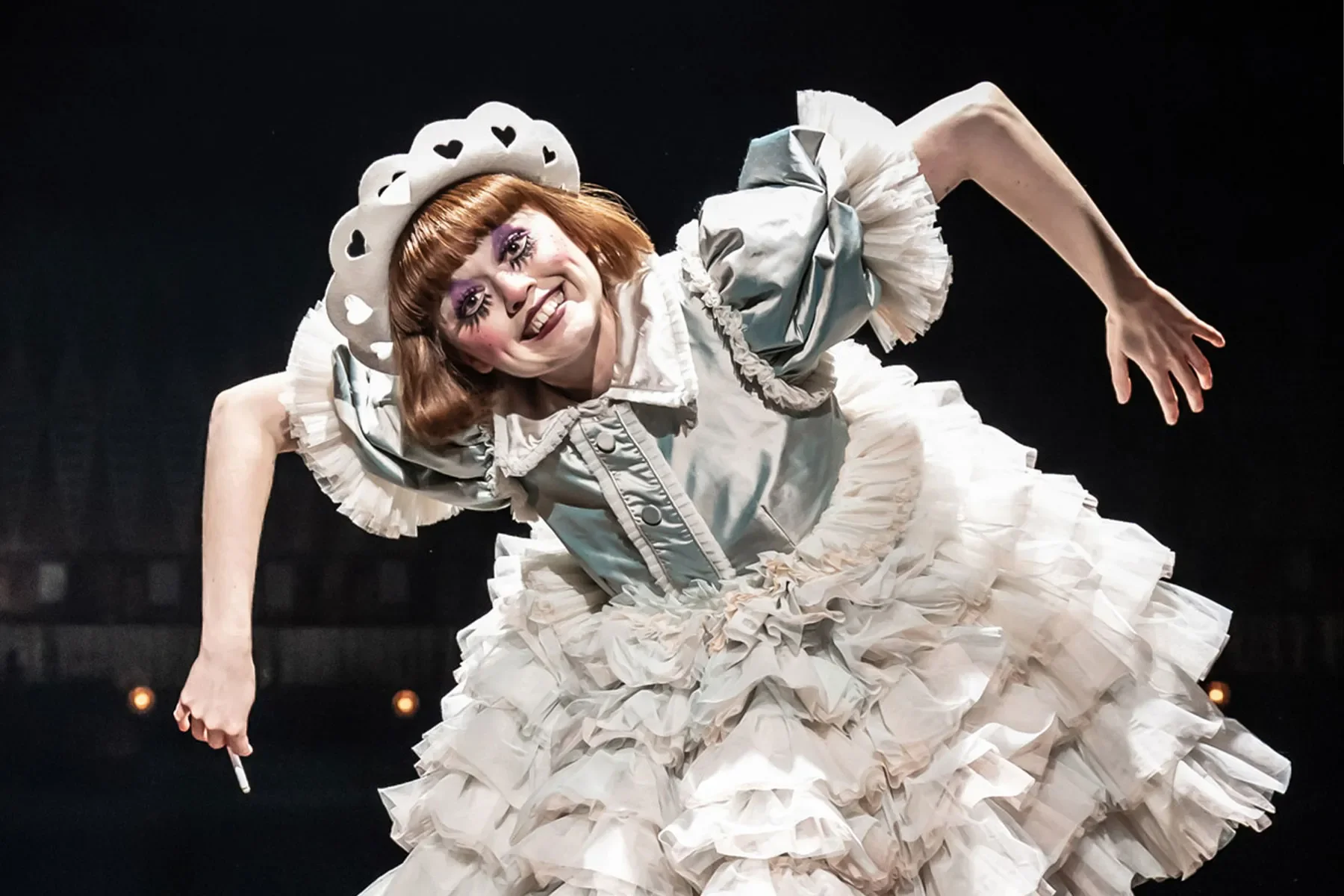
Aimee Lou Wood as Sally Bowles in the West End production of Cabaret at the Kit Kat Club UK, 2023
Cabaret as an artform involves many things: drag, burlesque, political satire, clown, comedy. Through these mediums, it’s a way to interpret life through the silly, the sexy and the slanderous, and it has been a staple of the queer community since its inception.
On a more personal note, it’s a place that welcomes body and gender diversity like no other. I’ve been to some incredible cabaret events in London — Big Fat Cabaret, House of Burlesque, Outlaws: A Cowboy Cabaret and SlayStation — and I’ve also been lucky enough to perform and produce a couple of my own, through my theatre company Hissy Fits.
Cabaret, both in the London theatre production and the film, embodies the spirit of these events. Although some of the characters differ, the plot is broadly the same: a story of love, queerness and community in 1930s Germany. The Kit Kat Club is an oasis of queer sanctuary within an ocean of fascism. As the tide rises, Nazism becomes inevitable, and the characters are caught between their hopes, desires, and the ugly truth of fascism.
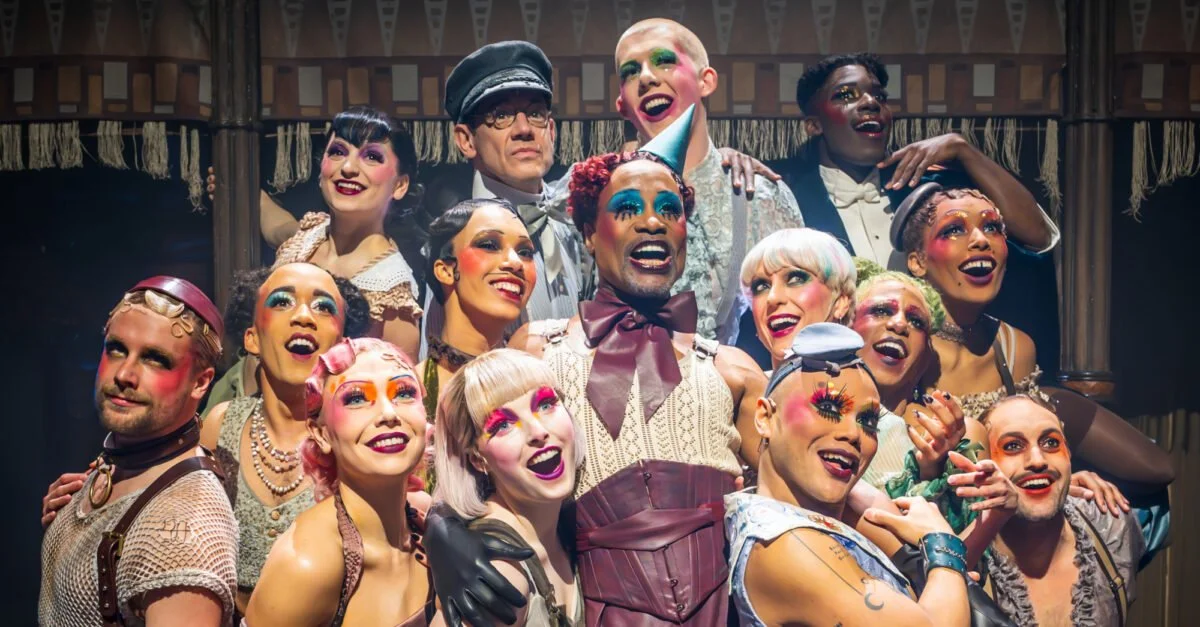
The cast of Cabaret in January 2025, starring Billy Porter as the Emcee and Marisha Wallace as Sally Bowles
I first saw the London production of Cabaret in 2023 and I was massively underwhelmed. At the time of opening, the cheapest available tickets were around the £100 mark with the promise of an immersive performance (a theatrical format that’s supposed to envelop the audience and replicate real life). However, bar some very talented musicians, a shot of schnaps and an entrance through a side door, the format was very similar to any other West End performance. The buzz around the show and the extortionate ticket price left a sour taste in my mouth. Was it really worth the money? Why did it seem like the love interests had better chemistry with other characters than each other? Should I have brought my glasses so that I could see better from the back?
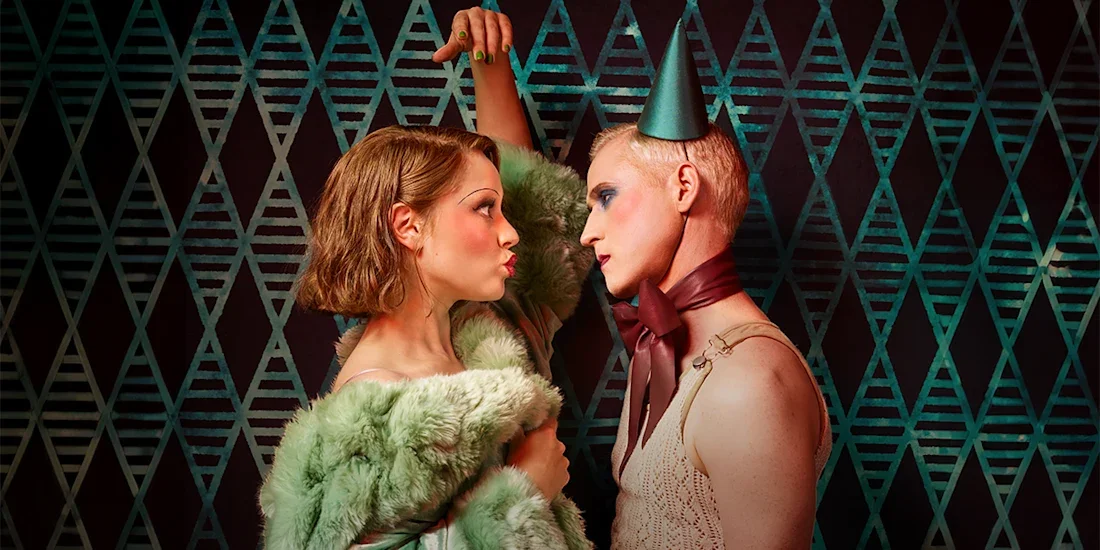
Katherine Langford as Sally Bowles and Adam Gillen as the Emcee
I only returned to the show because of my housemate who didn’t want to see the production alone. I was blindsided by how harsh I had been before. In 2025 both the film and the show are urgent, pleading almost, begging the audience to see what we have not been seeing. Without giving too much away, there is one moment in the stage show (echoed in the film) where the characters stare out to the audience in bleak white lighting and sing in chorus “Tomorrow belongs to me” whilst revealing Nazi armbands. This moment was now terrifying, where a couple of years ago, I read it as a solemn reminder of fascism. This time, the hairs on the back of my neck stood up — this is happening to us, right now.
2025 has been yet another year of political slides to the right in the UK; our government has been ushering in regressive legislation about immigration, protest, and queer bodies. 88% of transgender people have reported being a victim of hate crime (according to Home Office statistics shared by Stonewall) and we have seen increased support for far-right populists like Tommy Robinson and Reform UK, who have built their popularity through similar rhetoric and policy positions to that used in 1930s Germany.
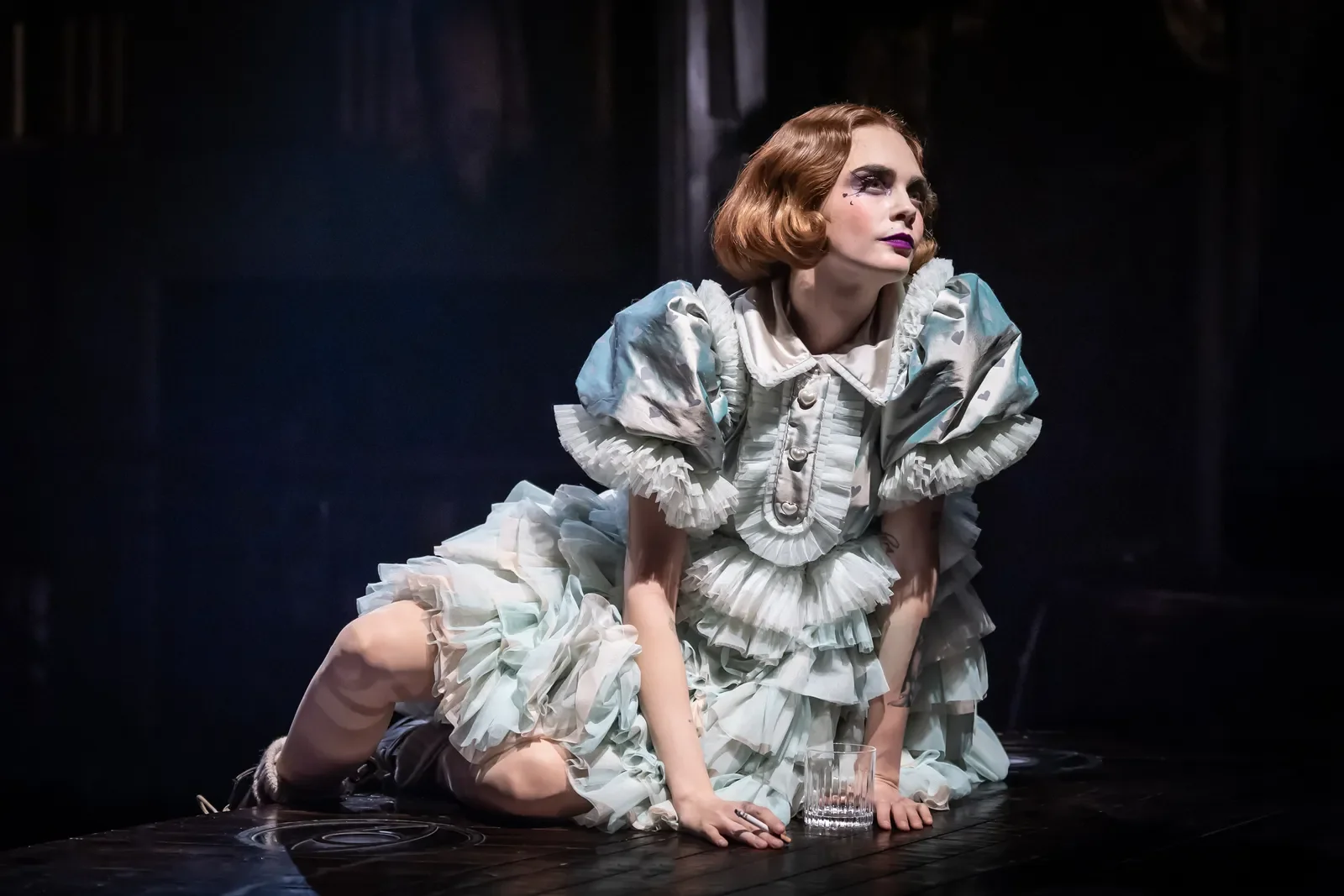
Cara Delevigne as Sally Bowles
Unless it needs stating more clearly, the setting for Cabaret is not dissimilar to the time we currently inhabit. Maybe there is something to be learned from it. Yes, we will resist in the loud, proud way we have always done; we have and always will, with our sequins and naked breasts and queer joy. But unlike the characters in Cabaret, too blinded by glitter, expensive coats and champagne, we know what is coming. Tomorrow does not belong to ‘me’, an individual, entitled to land by virtue of ‘purity’. Tomorrow belongs to no one. We get to build a future together, with all of our differences.
Most interesting to me is that the source material has not changed, but my reflection on what it means has evolved. We must continue to engage in media that stops us from becoming complacent. We can and should alter the course of our future. Queer unity has changed the world for the better before. We can do it again.

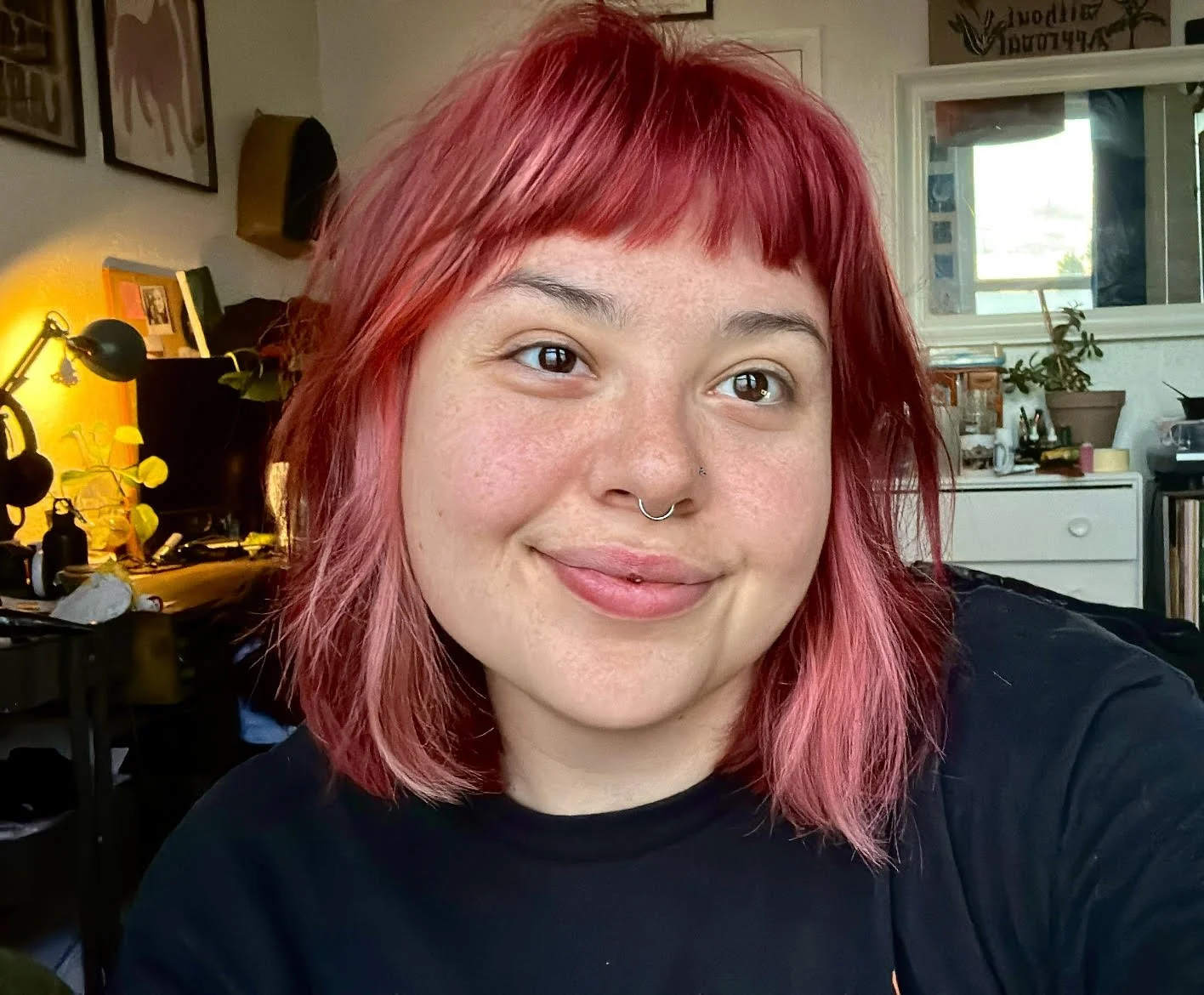
Roisin Cowen (they/she) is a multidisciplinary artist and facilitator. As an interdisciplinary artist, they work across many forms, but their main skills are in theatre, writing, music and performance.
After studying English/Film and Drama at an Undergraduate level, they trained for a Master's in Advanced Theatre Practice at the Royal Central School of Speech and Drama.
They are a close collaborator of Gash Theatre, a Co-Artistic Director of Hissy Fits Collective, and have worked with companies such as The Almeida, New Diorama, Theatre Deli and The Battersea Arts Centre. Their work usually has queer and feminist leanings, and they are particularly interested in themes of power, climate justice, disability justice and sexual health.
You can follow their work on Instagram: @roisingracecreative @roshroom_ @hissyfitsco @gashtheatre