National Identity Formation in Czech Christmas Fairytale Films
by Alex Stevenson
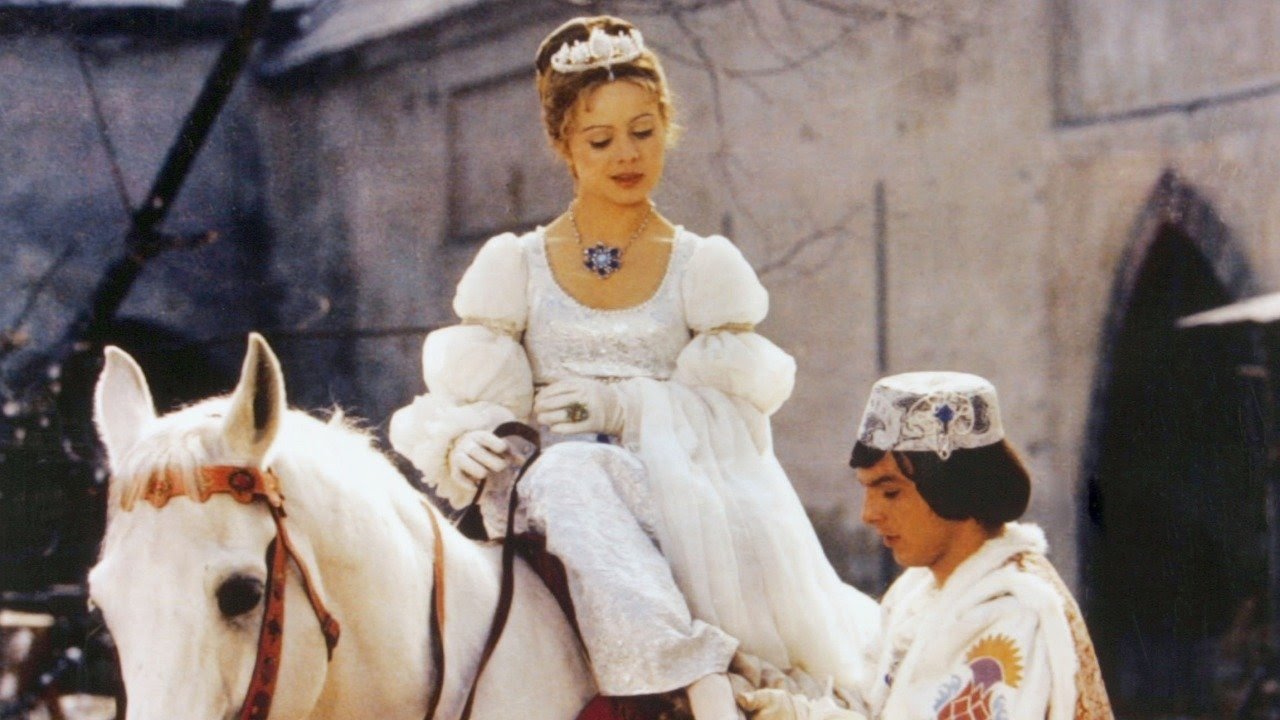
Libuše Šafránková and Pavel Trávniček in Tři oříšky pro Popelku
Over an early Christmas dinner with friends in a cozy flat in West London, we discussed traditions we would be participating in upon our returns to home. Whether that would include Christmas barbecues for those heading to the southern hemisphere, games of luck in the pursuit of marzipan for those heading further north, or simply dishes that would have to grace everyone’s dinner tables (for me, scalloped potatoes and bond films are a must for the festive season). One tradition however, struck me as particularly unique. A Czech friend explained the importance of one film in the crafting of a christmas spirit Tři oříšky pro Popelku, in English Three Wishes for Cinderella. My friend explained to me that this 1973 film was a core part of every family's Christmas traditions, broadcast on Christmas Eve every year, the film was one of a catalogue of government sponsored fairy tale films that have become a part of the rich Czech film canon. I was immediately fascinated.
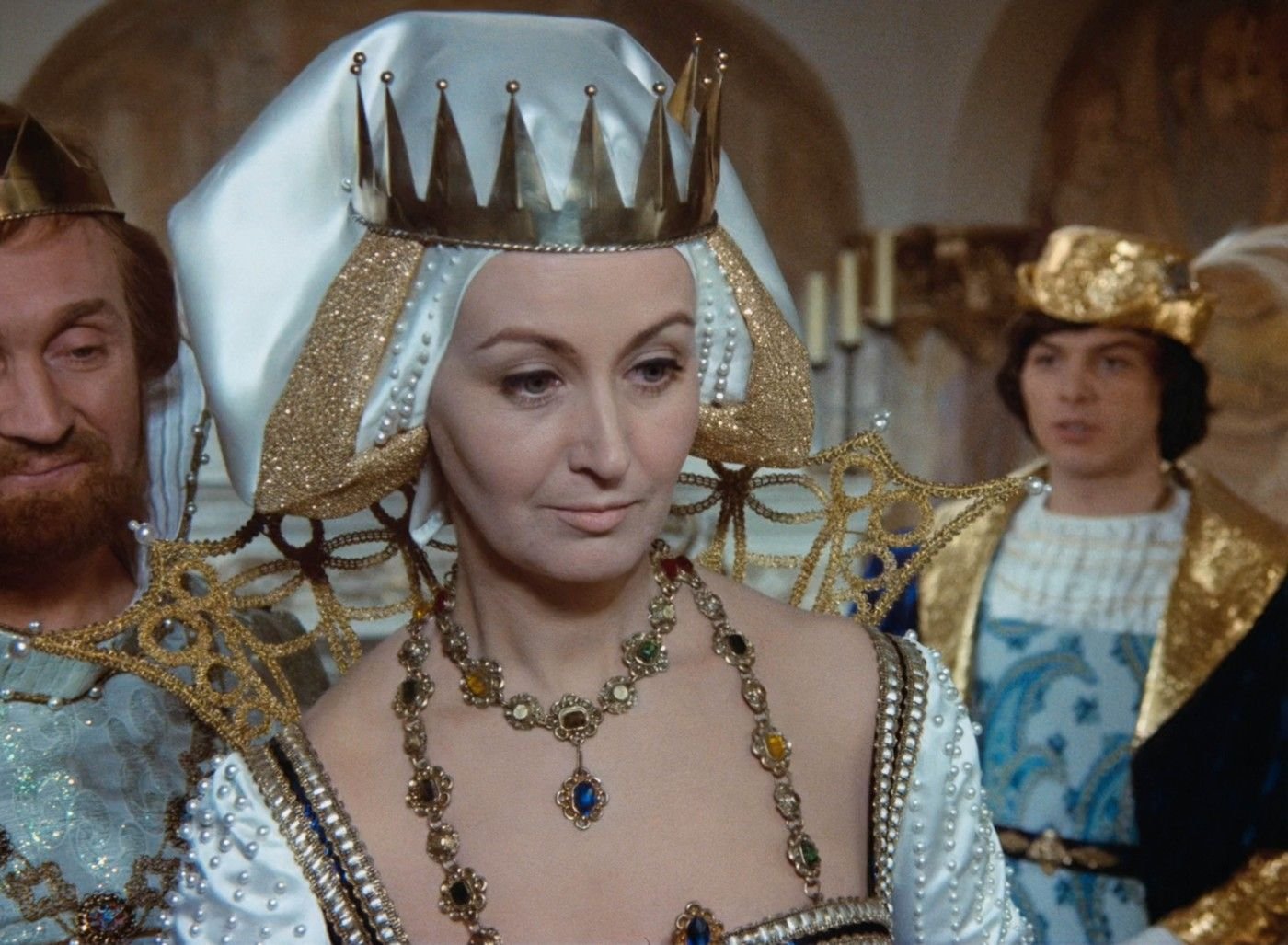
Karin Lesch in Tři oříšky pro Popelku (1973)
As a nation, the Czech Republic has not had the most straightforward history. Orthodox histories define their national histories by outsiders often not by its own identity. Those not deeply familiar with the nation build portraits of the nation on the behaviour and identities of the nations that have surrounded or connected to it. For many outsiders, what we know as truly Czech is limited, thus, the artistic output of the nation is one of the few aspects that remains undeniably and uniquely identifiable even to those unfamiliar with the finer points of Czech national identity. While it is difficult to put into words what exactly sets Czech cinema apart, there is a flavour of folkloric magic that is woven throughout every film. From the truly bizarre Murdering the Devil to the ever beautiful Daisies, there is an element of the very land that seems a part of the film industry which makes the fairy tale project so interesting. Yet maybe the most notable trend is the annual fairytale films that define the festive season.
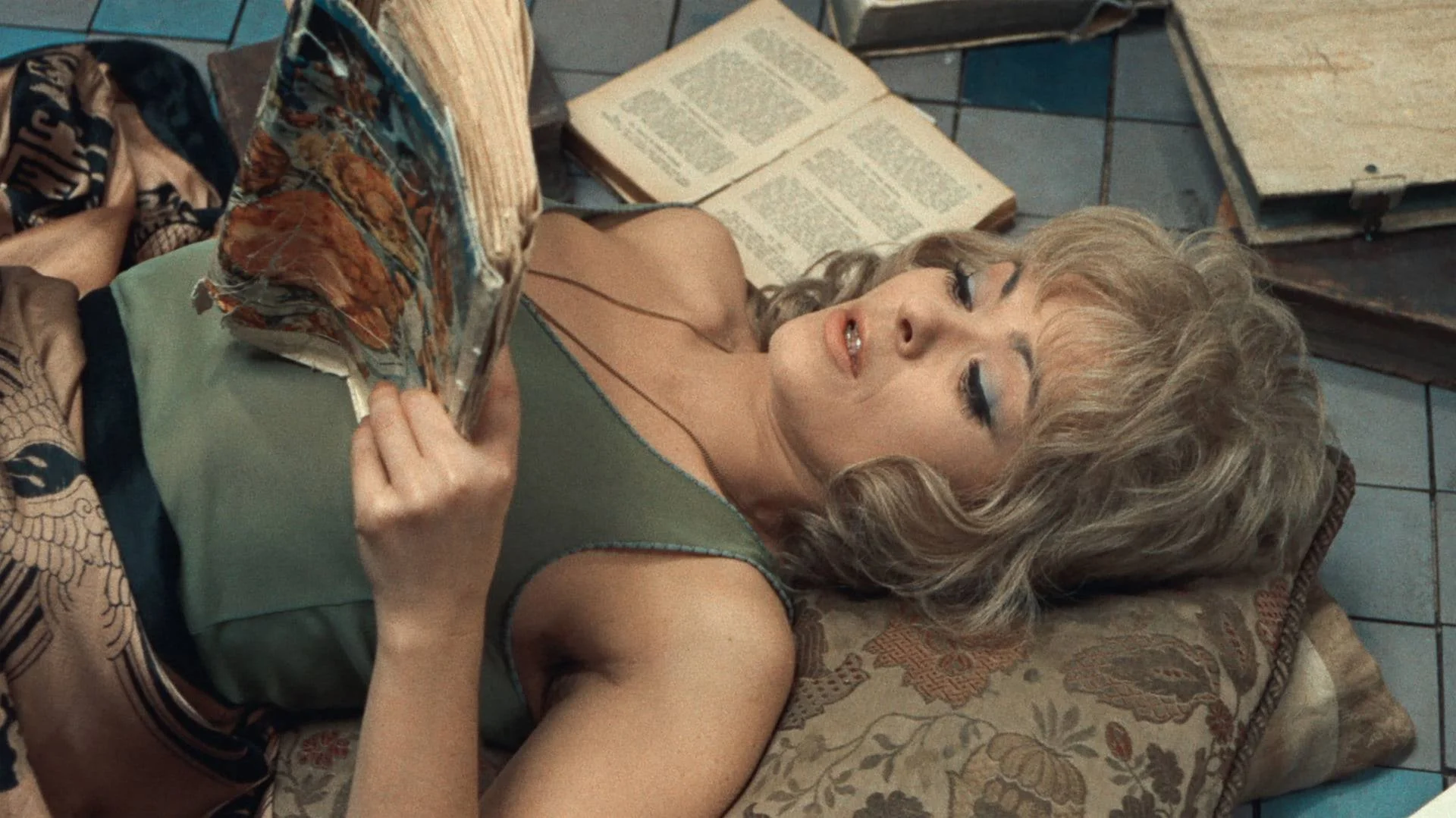
Jiřina Bohdalová in Murdering the Devil (1970)
Beginning in 1952 with Pyšná Princezna or The Proud Princess these pohádky (fairytale or folklore) films have never been alienated from the political context of the time. The Proud Princess came out when the Czech Republic was a part of communist Czechoslovakia and that is incredibly apparent throughout the course of the film with themes of working class heroes and equality (of a sort) amongst all the characters. Similarly (the first fairy tale film that I watched), Sůl nad zlato (1983) or The Salt Prince, stresses the value of daily utility — the titular salt — over typical status symbols such as gold, once again reminding viewers of the soviet propaganda that placed value away from luxury and high quality consumer products. It’s a simple concept but one that I found unique in its moralistic focus on daily life rather than the typical emphasis on beauty and riches that fairytales often position as the reward for morality.
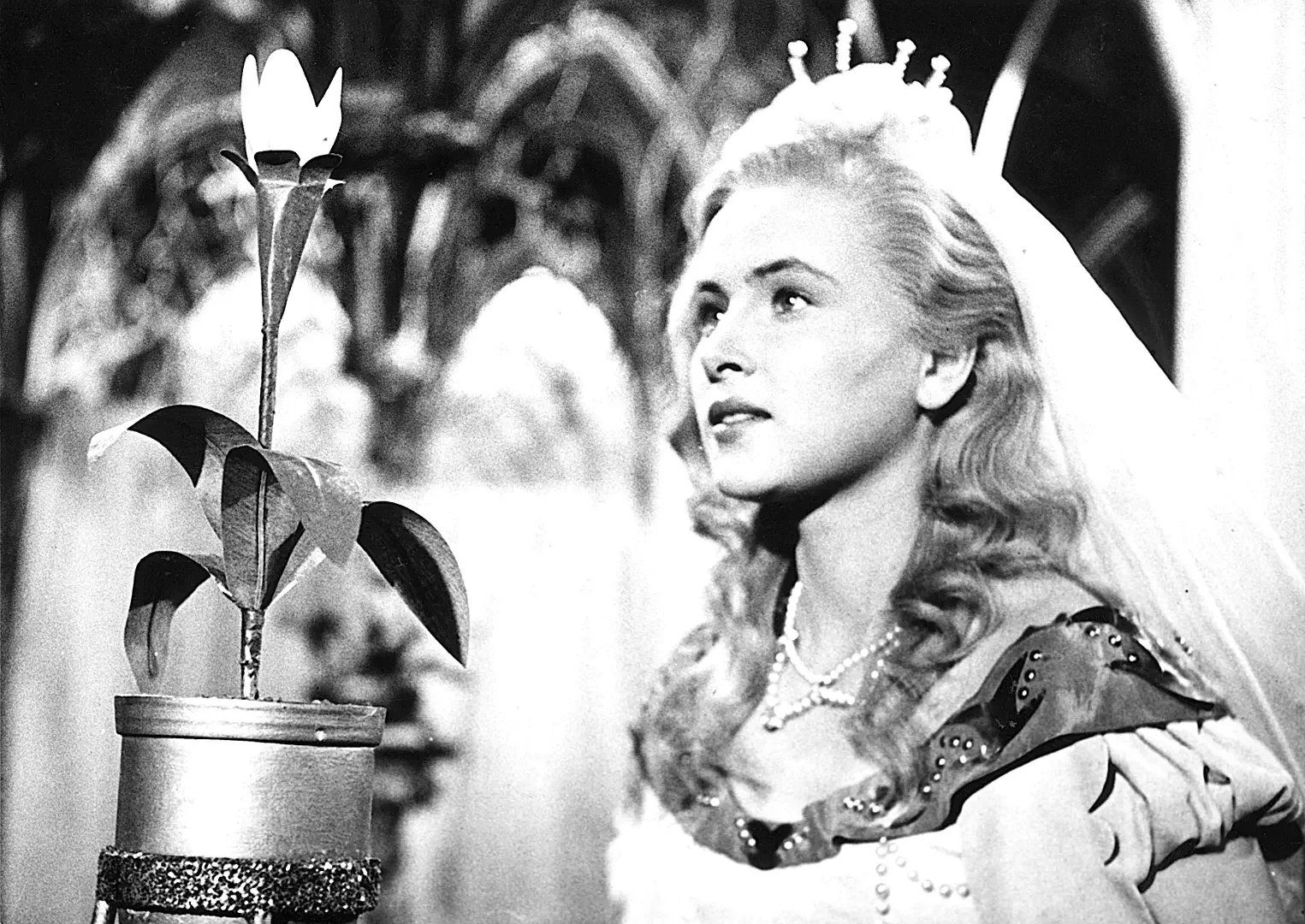
Alena Vránová in Pyšná Princezna (1952)
This theme however changes. Later films continue to develop their morals as the nation progressed past its communist governance and into an independent age. While I would be hesitant to say for certain what caused the shift, the films certainly adapted to the times. Whether the films followed the government prerogative influencing film towards more individualistic narratives or whether, following the work of filmmakers such as Ester Krumbachová and her anti-communist peers, citizens’ and thus the state’s values were shaped by the changes, there is an undeniable mirror to the new political order in the country. Undoubtedly, the genre continued to grow more in its moral messaging.
International Relations theorist and journalist Jutta Weldes articulates this point well in her piece Popular Culture, Science Fiction, and World Politics, where she expands on how using film as a pedagogical tool can provide better insight into the “bottom rungs” of a society; the low politics.
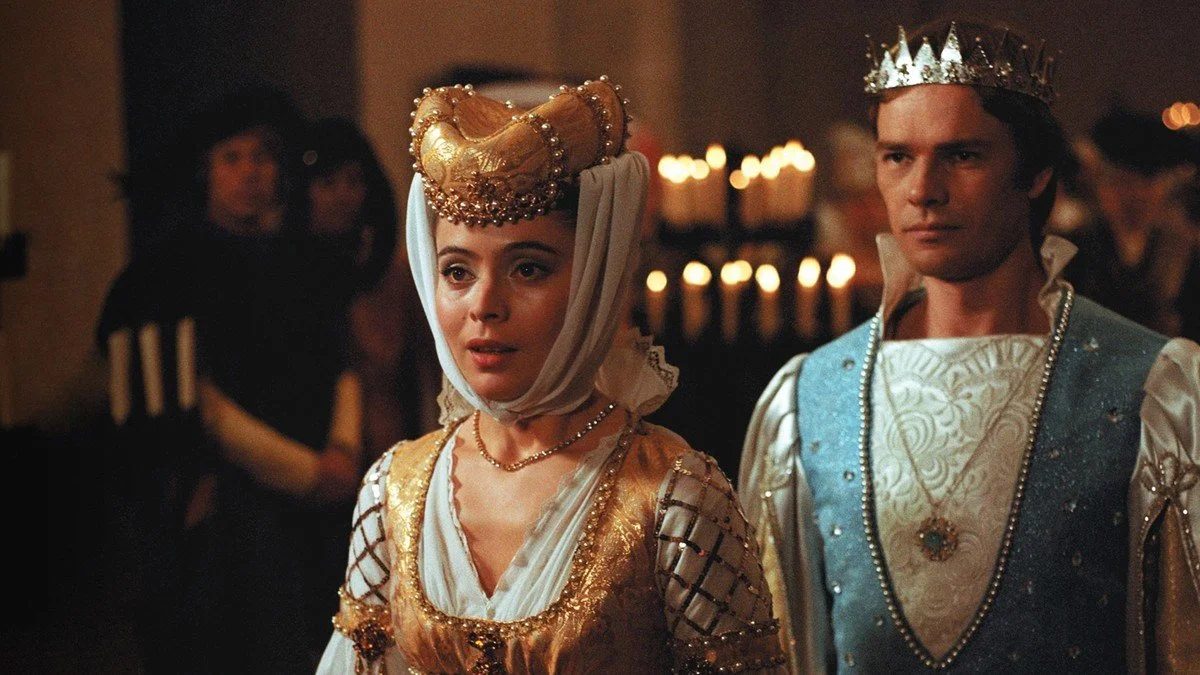
Libuše Šafránková and Gábor Nagy in Sůl nad zlato
While I don’t claim that these christmas films provide the total answer to the common Czech political identity, they certainly offer a window into the values that characterise modern Czechia. The continued importance of these films as a part of a cultural identity provides a look at the way that communist legacies remain an inalienable part of the public face of the Czech Republic. In continuing to promote and produce these films, Czech national identity is solidified at a young age and can be directed to unify values across class and regional divides. If all children watch Three Wishes for Cinderella at a young age as a method of upholding traditions both the messaging and the idea of the film become central to a connection to home and community, making what the films say an integral part of Czech artistic, and to a lesser extent national identity.
In all honesty, do I think that an entire nation can be understood through a small sample of their film industry? Absolutely not. However I think the importance placed on a tradition surrounding the media that is shown to children and built into national celebrations of holidays does provide us an important insight into the kind of society they hope to see and may provide you some joy for your winter watching.

Alex Stevenson (she/they) is a Canadian born campaigner and student fascinated with the world. Primarily an essayist, she has a background in politics and film.
They are currently completing their undergraduate studies in History and Political Economics at King’s College London with an eye towards further study.
With experience working in the film festival circuits, grassroots campaign organising, and the publication of independent media they enjoy exploring the impact of media on the political landscape centring on themes of resistance, community, and history.
You can follow them on Instagram: @its.alexstevenson
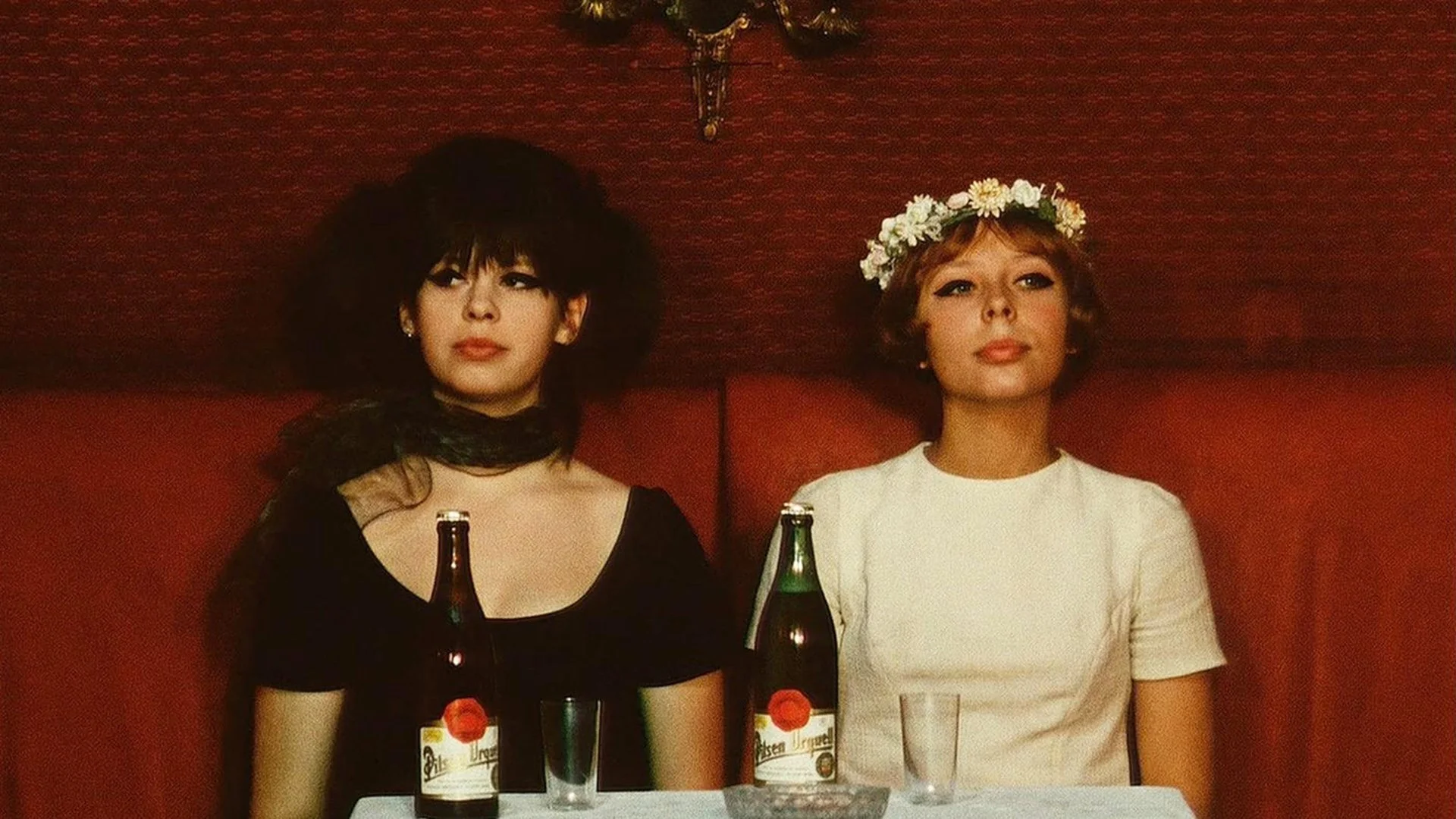
Jitka Cerhová and Ivana Karbanova in Daisies (1966)