
A Beginner’s Guide to the Psychosexual
By Avery Jay

Isabelle Adjani as Anna in Possession (1981)
There’s a lot of conversations circulating about sex in the media today. Today’s target audience of Gen Z are ranking higher on the puritanical scale, which has sparked discussion of a generational moral panic amongst young people. While the media can be a looking glass to the anxieties of society, audience reception also says a thing or two on shared ideologies amongst said society. It’s easier to reject something that you don’t understand, too.
A movie like Babygirl (2024) was explicit in capturing the experience of an older woman’s sexual fantasies. I don’t know if the kinkiness was what distracted displeased audiences from the narrative’s objective, or the fact that it was reveling in the sexual experiences of an older woman. Either way, the movie cannot be denied of its one achievement: making people uncomfortable.
Though that’s not the thesis of every psychosexual narrative, it’s the call-and-response of exploring anything taboo. But the exploits of a psychosexual horror film are deeply rooted in personal affairs. They can unearth the shadows of ourselves that we have yet to face. At the heart of these movies are the conflicts between our own true desires and the impositions of life experiences. You can no longer hide from the repression that resurfaces.

Nicole Kidman as Romy in Babygirl (2024)
The term “psychosexual” is in reference to Sigmund Freud's Psychosexual Development Theory, which traces our sexuality and identity back to our psychological development from infancy through life. Societal taboos are instilled in us early and not always explicitly. If you’re raised in the church like I was, sex was introduced as a prophecy to be fulfilled under appropriate conditions. Not for pleasure, but for reproduction. The concept of premarital, hedonistic pleasure wasn’t just a sin. It was a form of defilement.
For the sexually repressed, psychosexual media can be cathartic and healing if you let it be. This is especially true in horror where giving into your desires can cross the threshold of transforming into something monstrous. Sometimes, it’s just a heightened metaphor of one’s sexuality. I find that psychosexual horror can fall into two categories: for the power and for the self.
For the Power
These are narratives where the central themes of control, envy, and obsession intersect with a depravity and perversion rooted in power. It’s about letting your desires consume you and the aftermath of doing so. The character of Mark Lewis (Carl Boehm) in Peeping Tom (1960) explores his own sexual deviance through homemade snuff films that are modeled after his own father’s. In trying to gain control of the trauma that his father left him with, he spills over into an obsessive behavior that leaves a blood trail. Similarly, Alexander Skarsgård’s character in Infinity Pool (2023) gets more than he bargains for when he submits to his own desires. He criticizes the elite until he realizes he secretly wishes for that same power and the freedom that comes with it. When you have the wherewithal to do whatever you want, consequence-free, results may vary on levels of depravity.
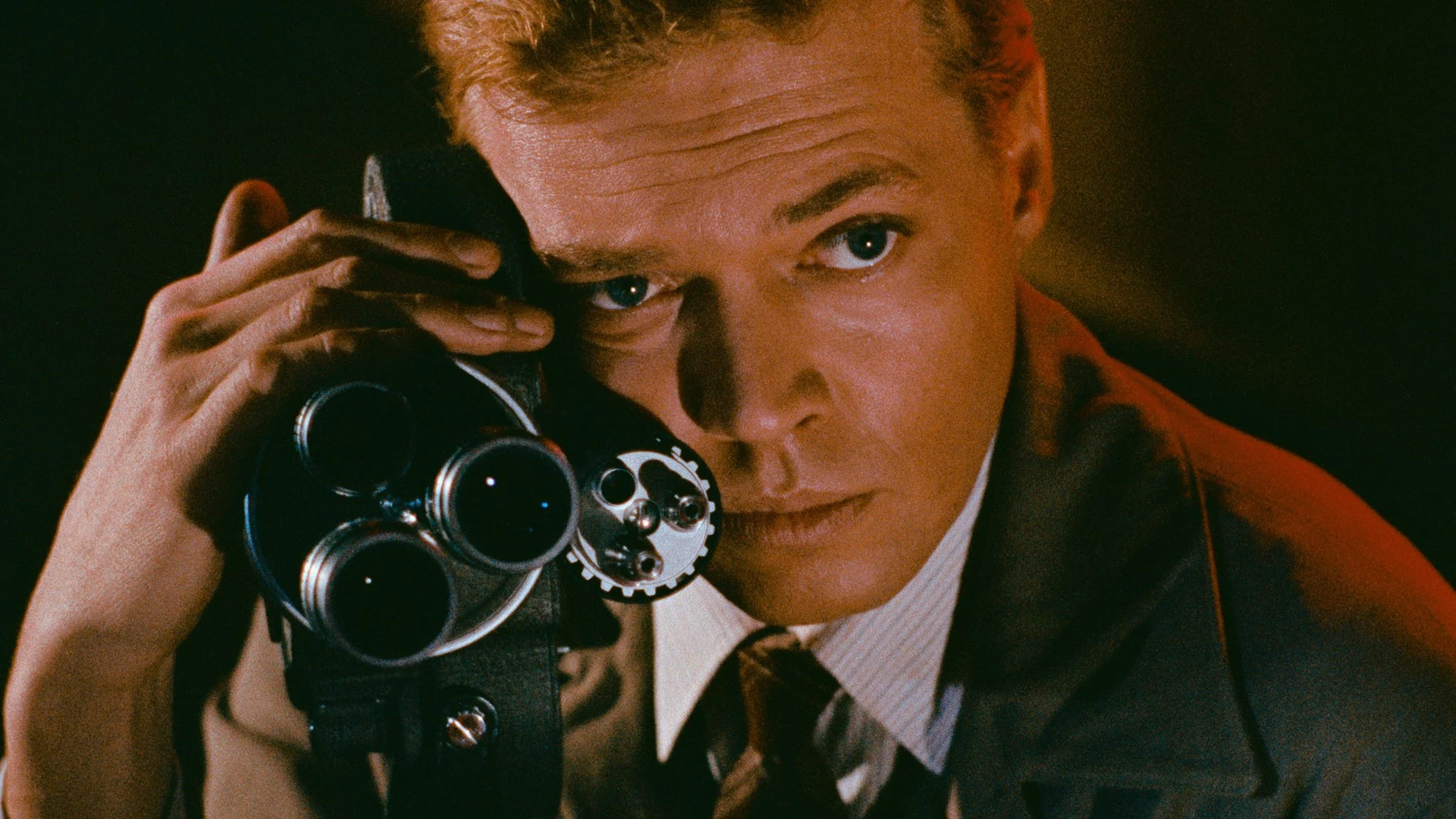
Carl Boehm as Mark in Peeping Tom (1960)
There’s a notable difference when the protagonist is a woman, though. Psychosexual horror centering women are grafted with feminist messaging that empower this indulgence. They are the textbook “good for her” movies. Take Andrzej Żuławski’s Possession (1981) as an example. Anna (Isabelle Adjani) is a stay-at-home mother and wife to her husband, who’s absent and abusive. Mark (Sam Neill) is not obsessed with her but with the control he’s losing over her. As her psychosis evolves over the course of the film, so does her sexual deviance. She’s regaining control of her life in a way so many women do when they file for divorce from their unhappy marriages. You can’t help but to be a little happy for her. Ginger Fitzgerald (Katherine Isabelle) in Ginger Snaps (2000) is another psychosexual baddie that you tend to root for because her monstrosity instills her with a power that girls and women aren’t meant to have under the patriarchy’s boot: sexual agency.
For the Self
On the other side of the psychosexual coin are narratives with characters fighting through the blockades to give into their desires. The central themes revolve around vulnerability, identity, and shame. The most recent example of this is Jane Schoenbrun’s Teenage Sex & Death at Camp Miasma (2026). Kris (Hannah Einbinder) would rather ignore their own sexual shortcomings to focus on her work. But the vulnerability in exploring their true sexual fantasy relinquishes Kris from feeling like sex is a “chore”. She allows herself to feel pleasure for the first time which results in an empowerment of its own kind. I’ll leave it up to you to interpret what that means since the movie is still fresh.
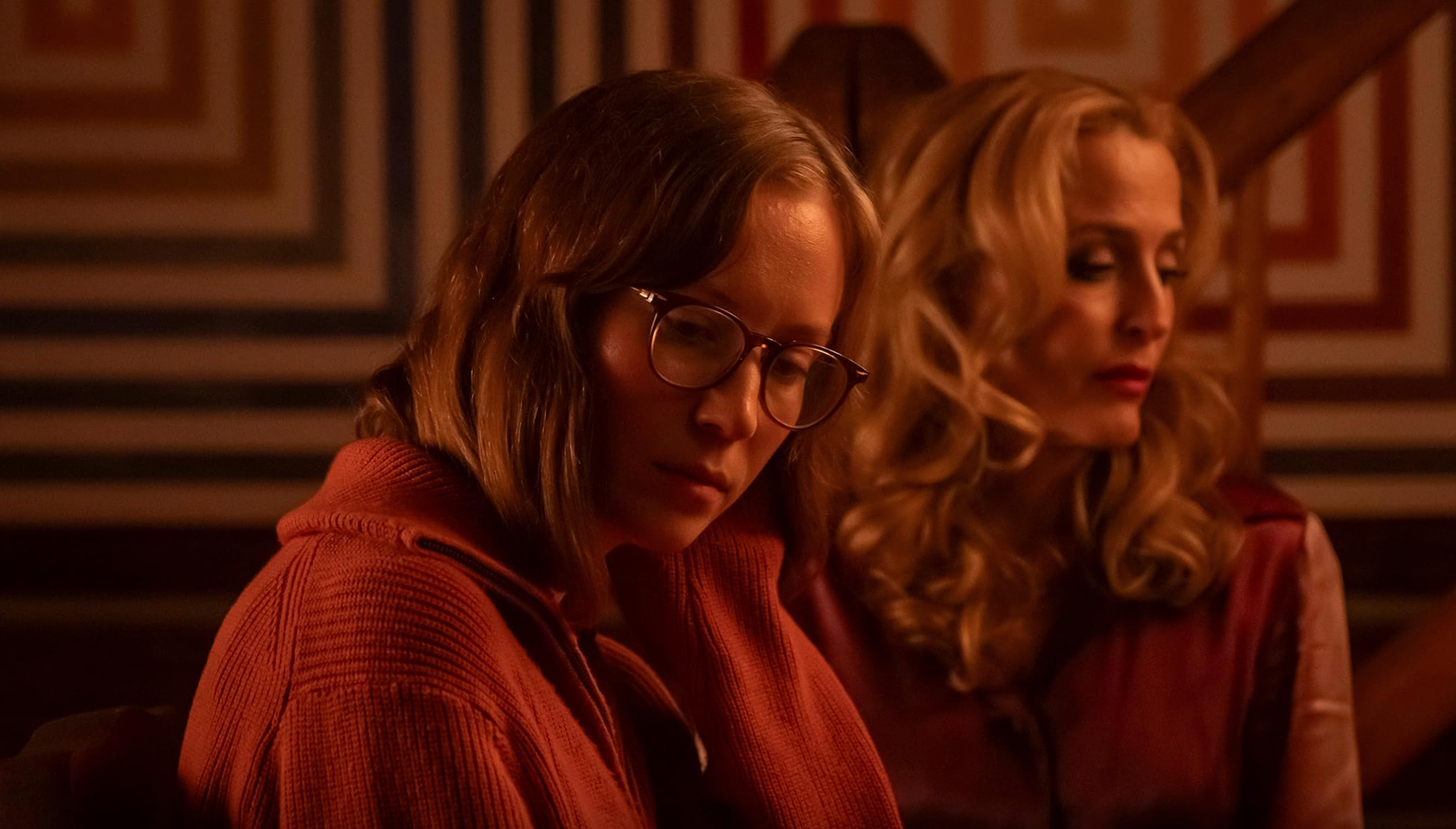
Hannah Einbinder as Kris and Gillian Anderson as Billy in Teenage Sex and Death at Camp Miasma (2026)
Psychosexual for the self isn’t always related to inflicted trauma, but a lot of the films that fall into this category are. Two easily comparable movies are Titane (2021) and Crash (1996) for the way they orient sexual desire with the trauma of car crashes. The main character of Titane suffered a traumatic car crash at a young age. Her career as a motor show model in adulthood is intrinsically linked to her sexual expression. You never see her obtain pleasure from a human interaction the way she does with vehicles. Similarly, James Ballard (James Spader) in Cronenberg’s Crash reignites his sexual passion with the help of Robert Vaughn (Elias Koteas) who has a fetish for car crashes. James’ sexual exploration reaches new heights as he sinks deeper into this underground world of auto mechanics and perversion.
At the core of any perverted and sexually-deviant horror movie is the inner suffering of the character. As they say, there are two wolves inside of us all. The human condition intertwined with societal taboos convinces us that there is a normality worth achieving. Exciting, passionate, pleasurable sex isn’t a part of that puritanical dream. It’s oddly contradictory in the way these moral standards promote selflessness while inducing a superiority that’s vain and oppressive. Of course, I always believe there’s a bit of jealousy in the mix. Embracing your desires is a radical act of self love and freedom that we have to learn to do on our own. And it starts with courage.
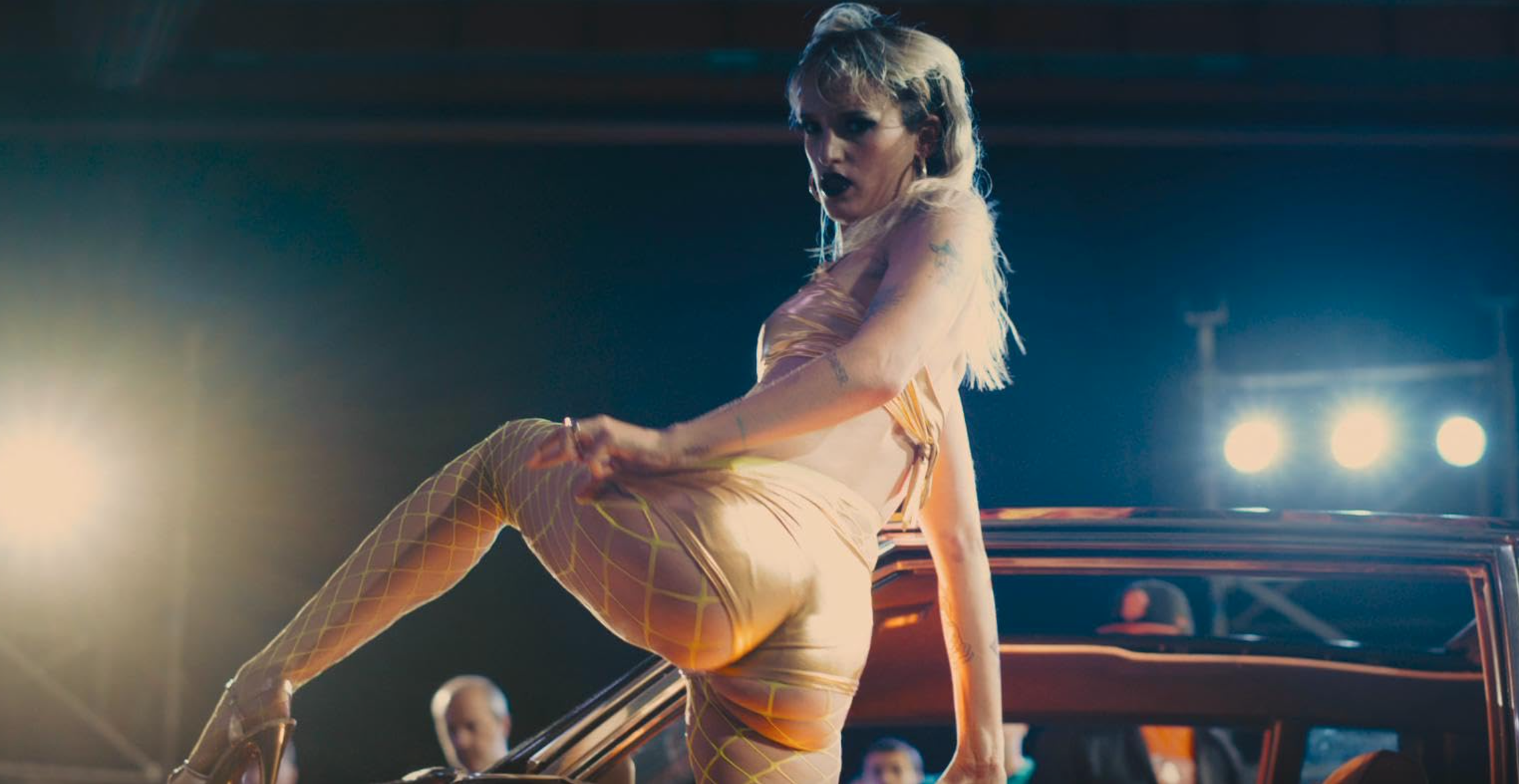
Agathe Rousselle as Alexia in Titane (2021)
Your Psychosexual Watchlist
For the Power
Peeping Tom dir. Michael Powell (1960)
Infinity Pool dir. Brandon Cronenberg (2023)
Possession dir. Andrzej Żuławski (1981)
Ginger Snaps dir. John Fawcett (2000)
For the Self
Teenage Sex & Death at Camp Miasma dir. Jane Schoenbrun (2026)
Titane dir. Julia DuCournau (2021)
Crash dir. David Cronenberg (1996)
Further Reading
Nosferatu dir. Robert Eggers (2024)
Spider dir. Vasili Mass (1992)
Hellraiser dir. Clive Barker (1987)
Black Swan dir. Darren Aronofsky (2010)
Babygirl (2024) dir. Halina Reijn


Avery Jay (she/they) copes with the horrors of the world through her love for horror in the media.
They're a journalist hunting down the best queer horror, a scholar tracking the history of Black horror, and a community organizer bringing diverse genre fans together in NYC and beyond. There's no such thing as a "bad movie" where Avery's concerned.
Her work has been published across entertainment publications: in print and online. They're the Horror Oracle: divining horror's mystique.
You can follow them on Instagram at @averyscrypt.
You can also subscribe to her Substack @TheHorrorOracle.